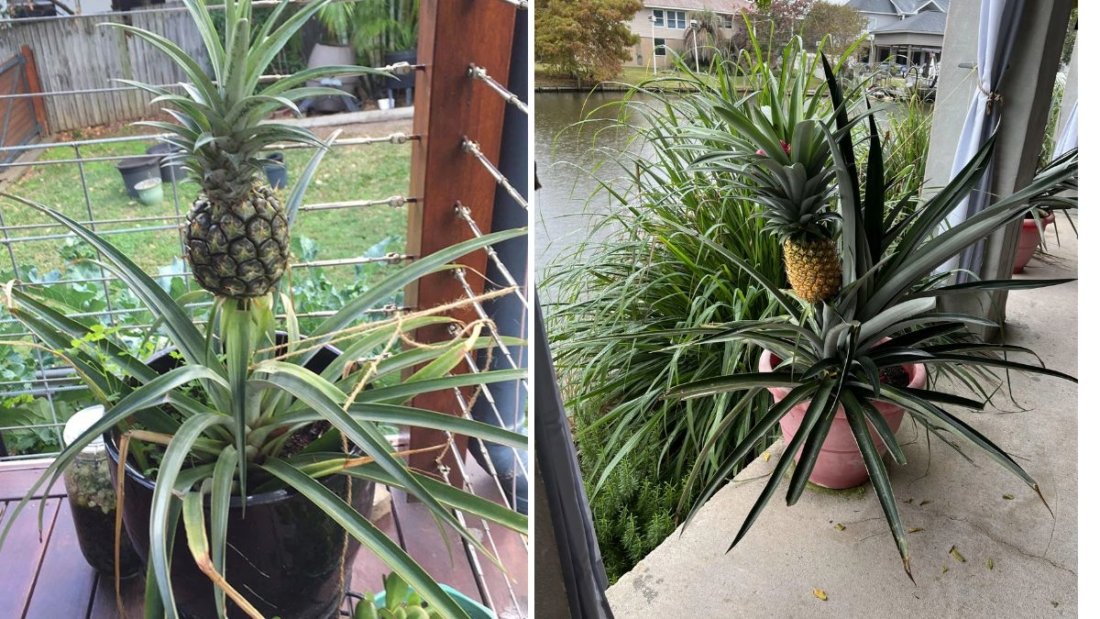
The Ultimate Guide to Growing Pineapple at Queen Annie’s Place: A Tropical Delight from Your Own Garden

The Ultimate Guide to Growing Pineapple at Queen Annie’s Place: A Tropical Delight from Your Own Garden

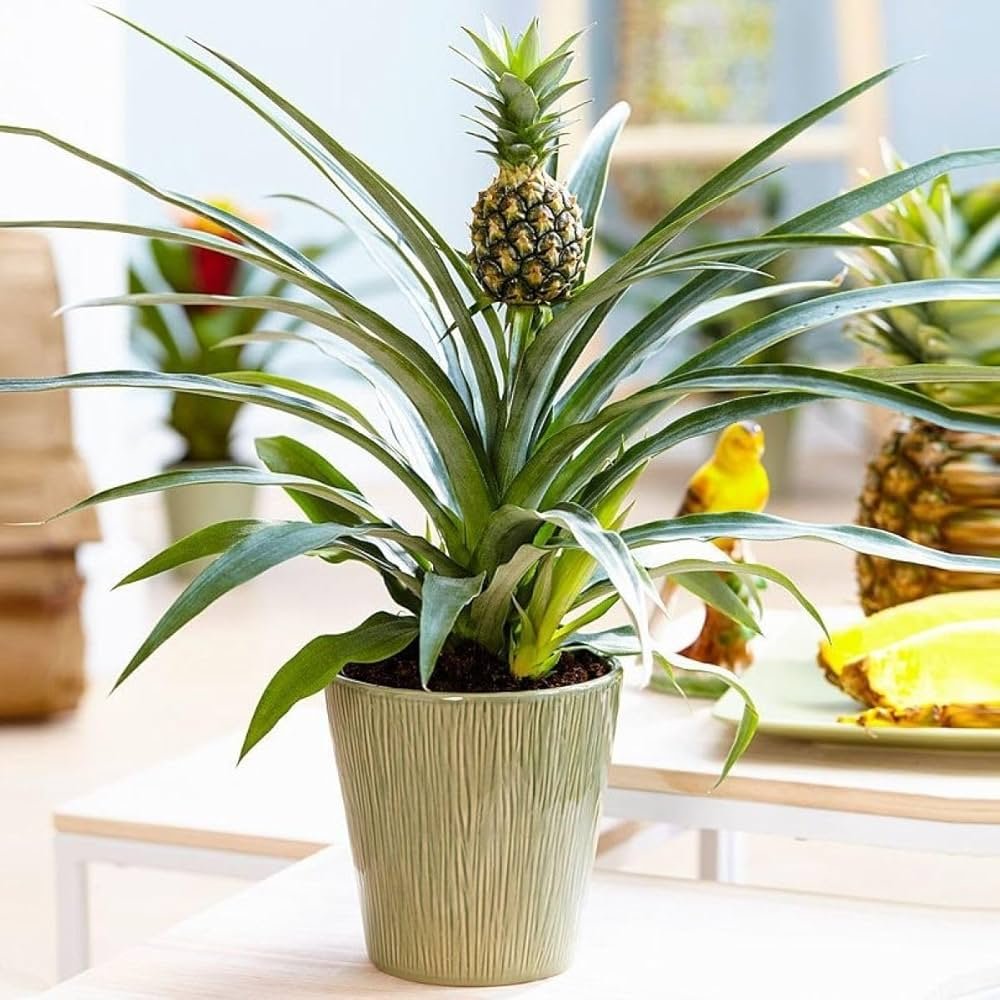
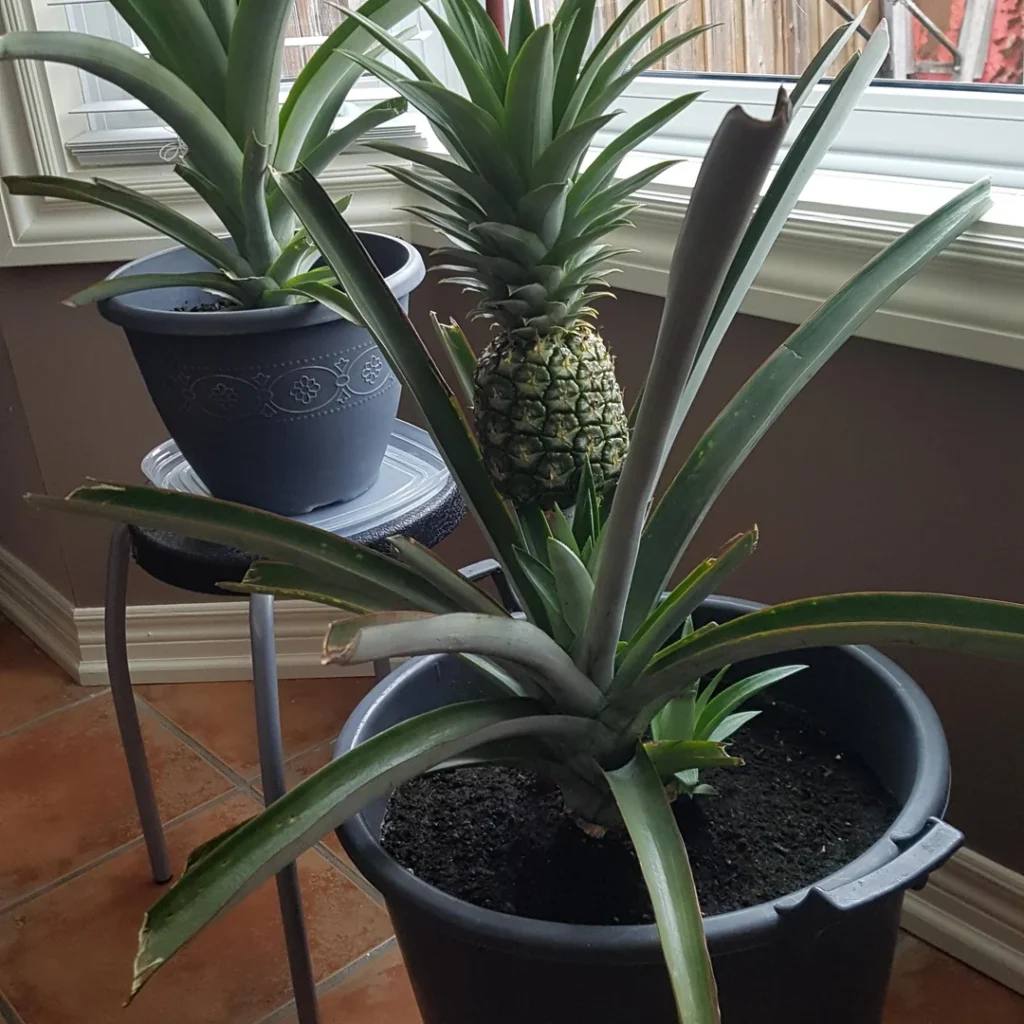
Pineapples are one of the most fascinating tropical fruits you can grow at home — a symbol of warmth, hospitality, and sweet success in gardening. At Queen Annie’s Place, the art of growing pineapples is not just about cultivating fruit; it’s about nurturing patience, creating beauty, and connecting with nature in a truly rewarding way. In this comprehensive guide, inspired by the YouTube video “Growing Pineapple at Queen Annie’s Place!”, we’ll explore how to grow your own pineapple plants step by step, from crowns to harvest, and how to create the ideal environment for them to thrive.


1. The Charm of Pineapple Growing
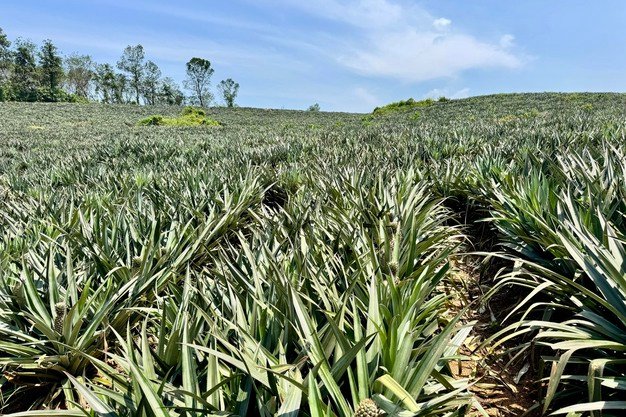
Pineapples (Ananas comosus) belong to the bromeliad family and are native to South America, but their tropical flair makes them popular worldwide. They can be grown successfully in pots, gardens, or greenhouses — perfect for gardeners who love exotic fruit and want to enjoy a taste of the tropics at home.

At Queen Annie’s Place, growing pineapples isn’t just a gardening project — it’s a journey of discovery. Watching a pineapple plant grow from a simple leafy crown into a fruit-bearing plant is deeply satisfying. It’s slow-paced gardening at its finest, and the results are well worth the wait.


2. Starting with the Pineapple Crown
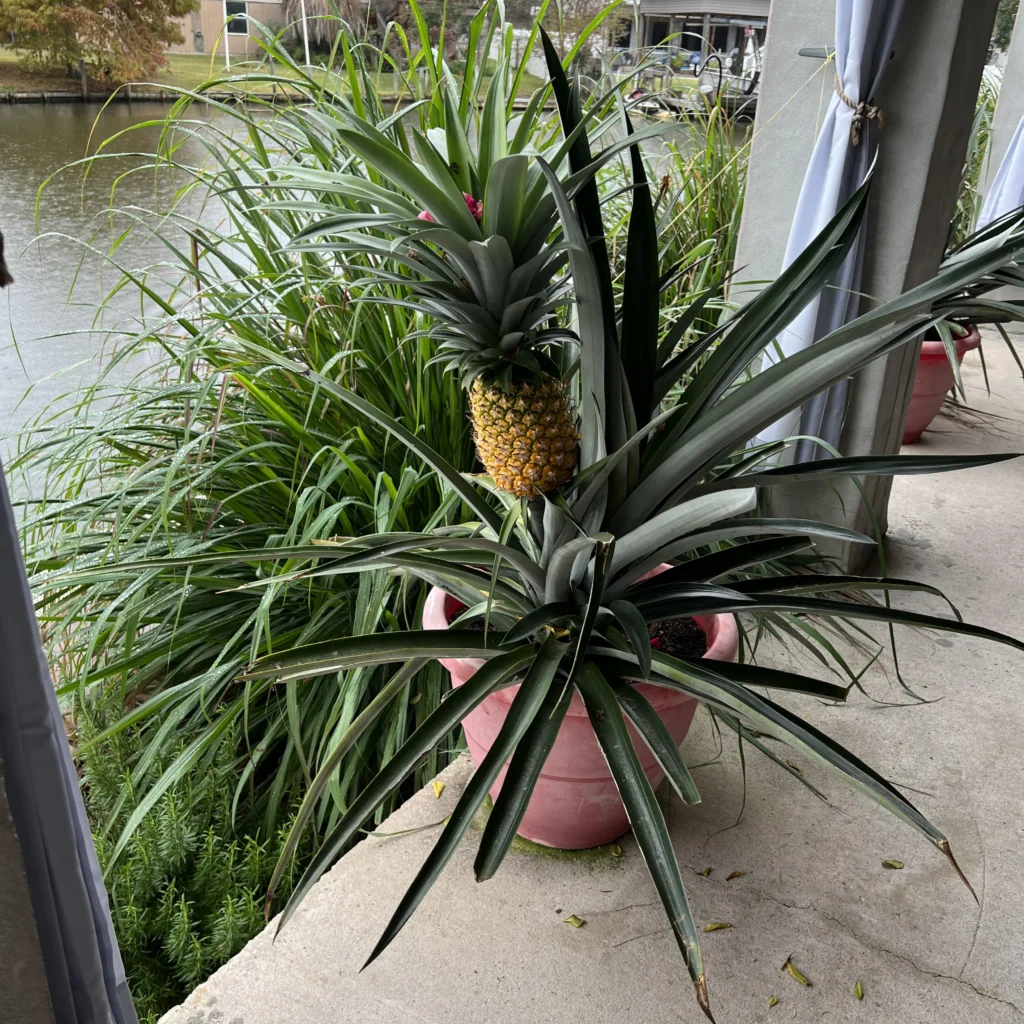
The easiest and most rewarding way to start growing pineapple is by using the crown from a store-bought or homegrown fruit. Here’s how it’s done at Queen Annie’s Place:

  1. Choose a healthy pineapple with firm green leaves and no signs of rot or pests.
  2. Twist or cut off the leafy top (crown) about an inch below the leaves. Remove a few of the lower leaves to expose the small root buds around the base.
  3. Allow the crown to dry for two to three days in a shaded, airy place. This helps prevent rot when it’s planted.
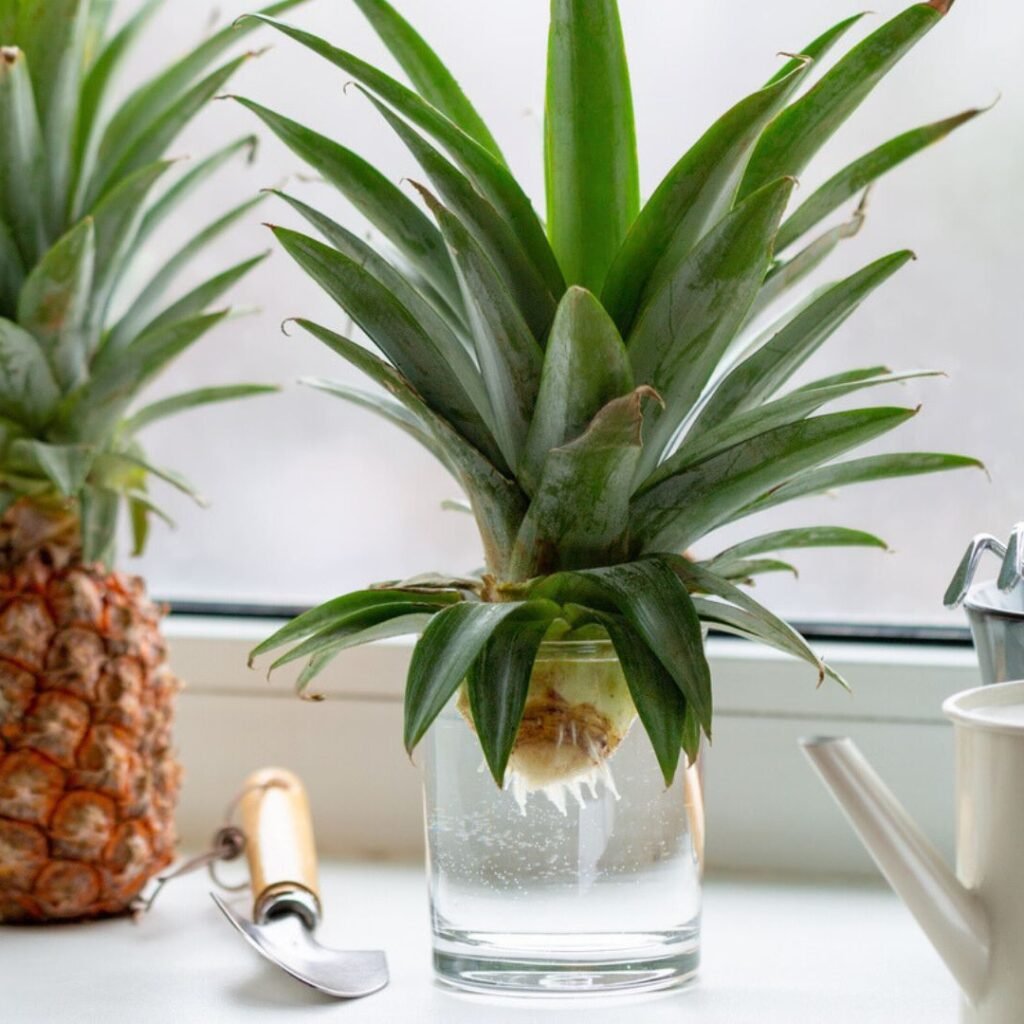
  4. Optional step – root in water: Some gardeners like to place the crown in a glass of water until roots begin to form. Others, like at Queen Annie’s Place, plant directly into soil for a more natural start.

Whether you root in water or soil, patience is key. Within a few weeks, you’ll see roots developing and new leaves emerging from the center — a sure sign your pineapple plant is settling in.


3. Choosing the Right Soil and Pot
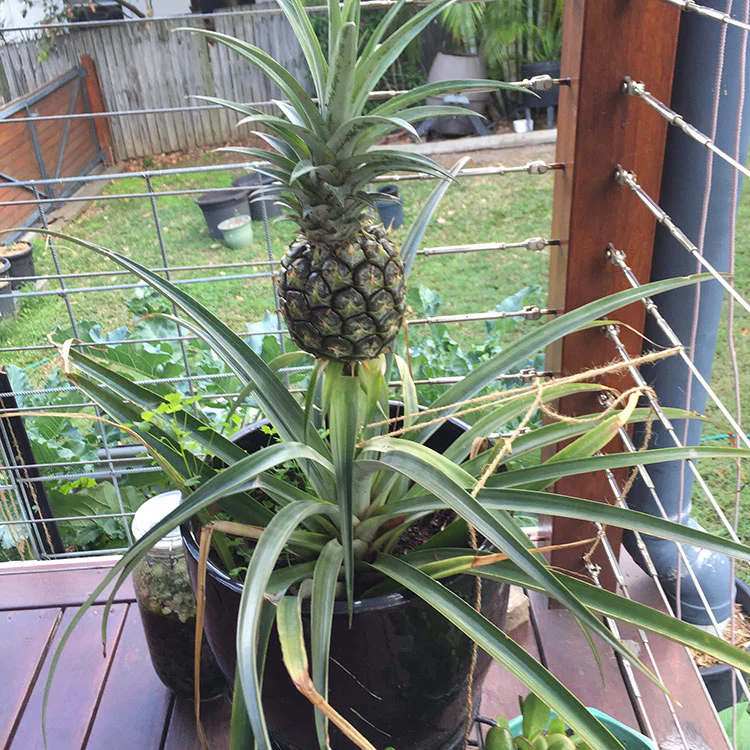
Pineapples love well-draining, slightly acidic soil. A good mix to use is:

  • 1 part garden soil
  • 1 part coarse sand or perlite
  • 1 part organic compost

At Queen Annie’s Place, pineapples are often planted in medium to large containers with good drainage holes. Container growing has several advantages — you can move the plants to catch more sunlight, protect them from frost, and control the watering better.

For outdoor planting, make sure the area has plenty of sunlight (at least six hours a day) and good airflow. Pineapples can tolerate partial shade but grow and fruit best in bright, warm conditions.


4. Watering and Feeding Pineapples

Pineapple plants are drought-tolerant, but that doesn’t mean they like being neglected. The goal is consistent but moderate watering.

  • Water when the top inch of soil feels dry.
  • Avoid waterlogging — soggy soil leads to root rot.
  • During dry or hot weather, mist the leaves occasionally to increase humidity.

Pineapples also appreciate light feeding. At Queen Annie’s Place, they use organic fertilizers or compost tea every few weeks during the growing season. A balanced fertilizer (10-10-10 or 14-14-14) works well, but you can also use a slow-release type to make feeding easier.


5. Light, Temperature, and Care
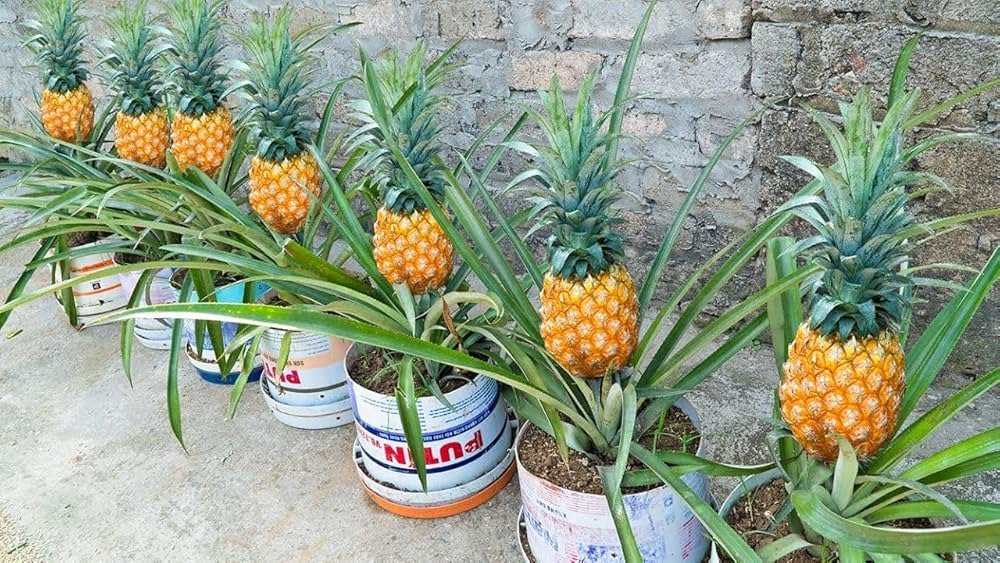
Pineapples thrive in warm, sunny environments. Ideal temperatures range from 65°F to 95°F (18°C to 35°C). If you live in a cooler area, you can still grow pineapples indoors near a sunny window or in a greenhouse.

At Queen Annie’s Place, the pineapples receive abundant sunlight throughout the day, helping them develop strong leaves and vibrant colors. If you’re growing indoors, consider using a grow light to supplement natural light during winter months.


6. Growth Stages and Patience

Pineapple plants grow slowly — and that’s part of their charm. It usually takes 18 to 24 months for a plant to produce fruit. Here’s what to expect:

  • Months 1–6: Rooting and leaf growth.
  • Months 6–12: Leaf rosette expands, and the plant develops a sturdy base.
  • Months 12–18: The plant matures and may start showing signs of flowering.
  • Months 18–24: The flower transforms into a beautiful pineapple fruit.

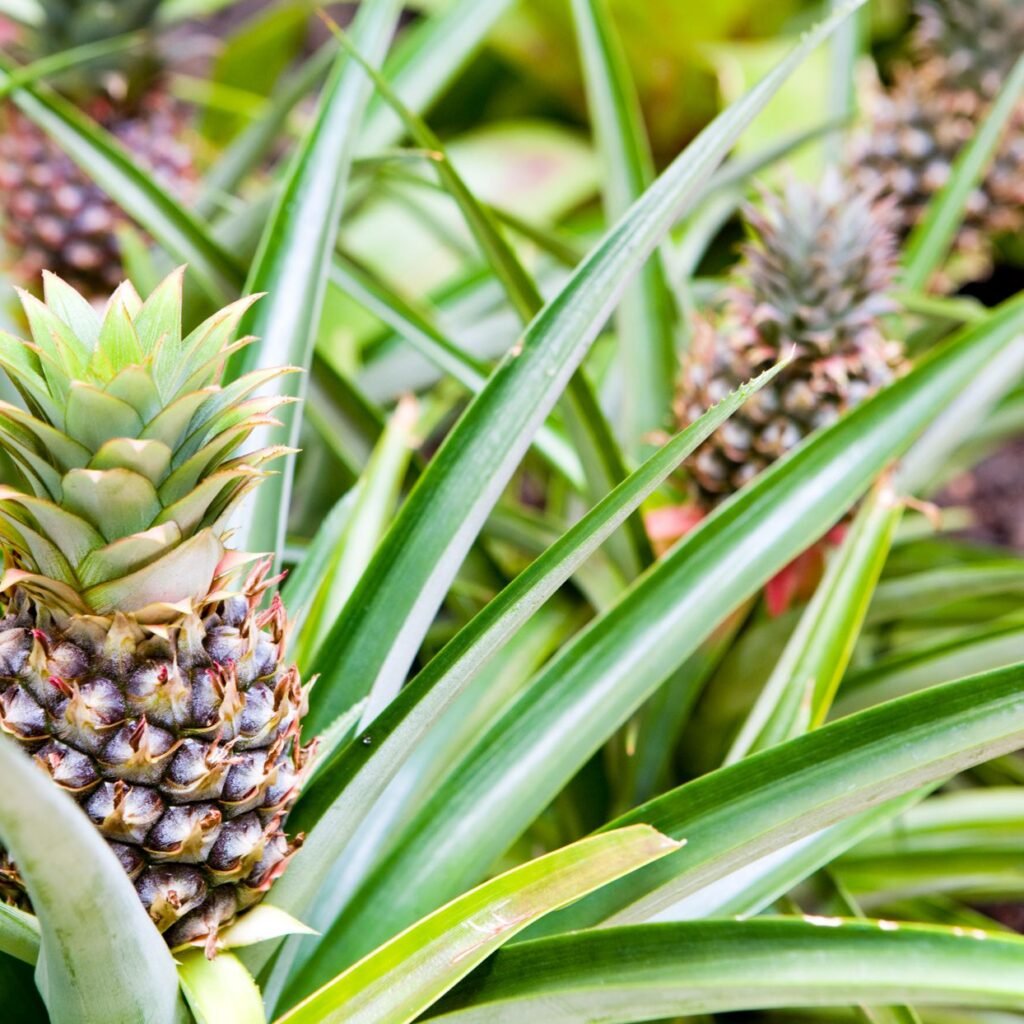
At Queen Annie’s Place, each stage of growth is celebrated — from the first root sprout to the stunning bloom that precedes fruiting. The flower itself is a sight to behold, with shades of pink and purple gradually turning into the familiar golden fruit we all love.


7. Encouraging Flowering and Fruiting
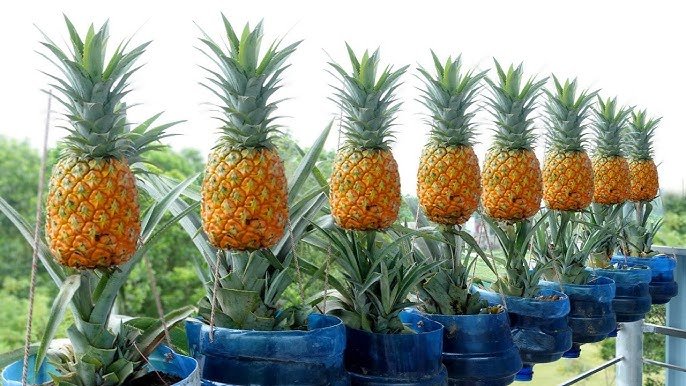
If your pineapple plant seems mature but hasn’t started flowering, you can give it a gentle nudge. Gardeners at Queen Annie’s Place often use natural methods to encourage blooming. One popular technique is the ethylene trick:

  • Place a ripe apple next to the pineapple plant and cover both with a plastic bag for about a week.
  • The apple releases ethylene gas, which signals the pineapple that it’s time to flower.

Within two months, you may see the central stalk emerge with a cluster of tiny purple-blue flowers. These flowers later fuse together to form the pineapple fruit — one of nature’s most fascinating transformations.


8. Harvesting the Pineapple

Harvesting is the most exciting part of growing pineapples. The fruit is ready to pick when:

  • The skin turns golden-yellow.
  • The fruit gives off a sweet, tropical aroma.
  • The leaves on top are still green but easy to tug slightly.

At Queen Annie’s Place, pineapples are harvested carefully by twisting the fruit from the stalk or cutting it with a sharp knife. It’s best to enjoy them fresh — nothing beats the juicy sweetness of a homegrown pineapple straight from your garden.


9. Propagating New Pineapple Plants

Once you’ve grown one pineapple, it’s easy to grow more. Each mature plant produces several suckers or slips (baby plants) around the base or under the fruit. These can be removed and replanted to grow new pineapples.

At Queen Annie’s Place, this is how their pineapple garden keeps expanding — from one crown to many thriving plants over time. It’s a sustainable and enjoyable cycle of growth that rewards patient gardeners with a continuous supply of fruit and beauty.


10. Common Problems and How to Fix Them

Even though pineapples are hardy, they can face a few challenges:

  • Root Rot: Caused by overwatering. Always ensure good drainage.
  • Pest Issues: Mealybugs and scale insects sometimes appear. Use neem oil or insecticidal soap to manage them naturally.
  • Slow Growth: Can result from low light or poor soil. Move the plant to a sunnier spot and feed it regularly.

At Queen Annie’s Place, the focus is always on organic care — avoiding chemical sprays and encouraging natural solutions to keep the plants healthy and the environment safe.


11. The Beauty of Pineapple Gardening

Growing pineapples is not only about producing fruit — it’s about embracing a tropical lifestyle. Their spiky leaves and exotic form make them stunning ornamental plants for patios, balconies, and garden borders.

At Queen Annie’s Place, pineapples are often featured as part of a tropical-themed garden alongside bananas, papayas, and herbs. Their golden fruits gleam like gems among the greenery, adding a magical touch to the landscape.


12. Final Thoughts

The journey of growing pineapples at Queen Annie’s Place beautifully demonstrates that great rewards come with patience and care. From a humble crown to a full, golden fruit, the process is a celebration of life, growth, and connection to nature.

Whether you have a sprawling garden or just a sunny balcony, you too can grow pineapples with a little effort and a lot of love. With their resilience, beauty, and sweetness, pineapples truly are one of the most satisfying fruits to grow at home.

So, take inspiration from Queen Annie’s Place — start with a single crown, nurture it with sunlight and patience, and before long, you’ll be harvesting your own delicious tropical treasure.
How to Grow a Pineapple from Its Top — The Foolproof Guide to Growing Smooth Cayenne Pineapples at Home

How to Grow a Pineapple from Its Top — The Foolproof Guide to Growing Smooth Cayenne Pineapples at Home

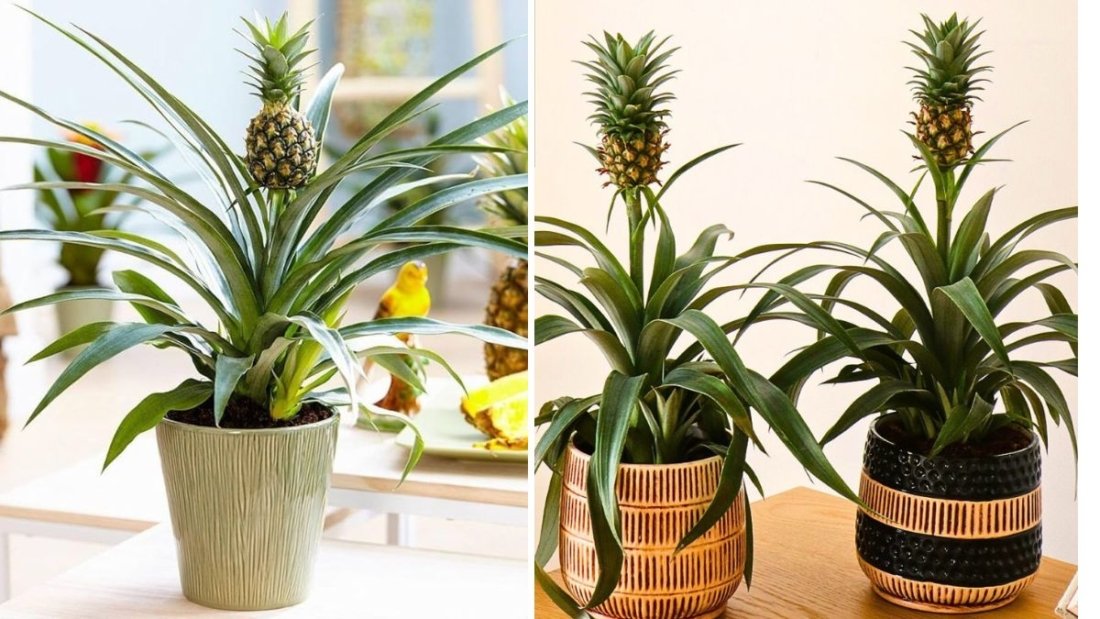
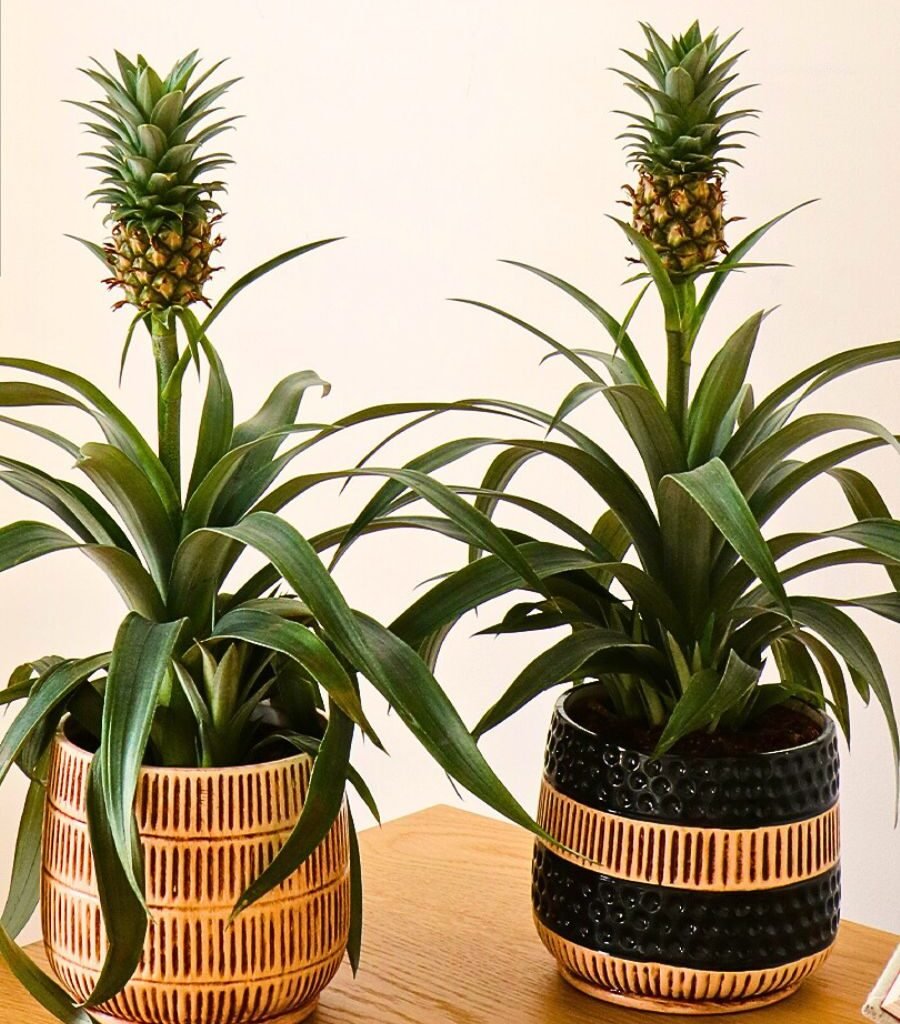
Growing a pineapple from its top might sound like a fun science project, but it’s much more than that — it’s a rewarding gardening experience that brings a taste of the tropics right into your home. Inspired by the video “How to Grow a Pineapple from its Top! Works Every Time! Pineapple (Smooth Cayenne)”, this guide will show you exactly how to turn a store-bought pineapple into a thriving, fruit-bearing plant.

With a bit of patience and care, you can enjoy the lush, tropical foliage of the Smooth Cayenne pineapple variety and eventually harvest your own sweet, homegrown pineapples. Let’s dive into the complete process — from selecting the right fruit to rooting, transplanting, and caring for your pineapple plant.


Understanding the Smooth Cayenne Pineapple

Before we start, it’s important to know what makes the Smooth Cayenne variety special. This is the most popular pineapple grown commercially around the world. It’s known for:

  • Golden-yellow flesh with a perfect balance of sweetness and acidity.
  • Smooth, spineless leaves, making it easier to handle.
  • Medium to large fruits, typically 4–6 pounds each.
  • High juice content, ideal for fresh eating or juicing.

Because Smooth Cayenne is adaptable and relatively easy to root, it’s one of the best varieties to start your home pineapple-growing journey.


1. Choosing the Perfect Pineapple Top

Your success begins with selecting a healthy pineapple. When you’re at the market, look for these qualities:

  • Fresh, green leaves with no signs of yellowing or rot.
  • A firm body with golden-yellow skin (not overly soft).
  • No mold at the base of the crown.

Avoid fruits that are too ripe or have dried, brown leaf tips — those may not sprout well.

Once you’ve found the perfect one, it’s time to remove the top, also known as the crown, which will become your new pineapple plant.


2. Preparing the Pineapple Top

Step-by-Step Preparation:

  1. Twist or Cut the Top: Hold the pineapple firmly and twist off the leafy top. If it doesn’t twist easily, cut about an inch below the leaves.
  2. Remove Fruit Flesh: Carefully peel away any fruit remaining at the base of the crown. Leaving it can cause rot during rooting.
  3. Strip Lower Leaves: Pull off 5–8 rows of lower leaves to expose about an inch of the stem. You should see tiny root buds (brownish dots) — these will become roots.
  4. Dry the Crown: Place it in a dry, shady area for 2–3 days to allow the cut end to heal and form a callus. This step is crucial to prevent rotting once you start rooting.

3. Rooting the Pineapple Top in Water

Rooting in water is one of the easiest and most satisfying methods, especially for beginners.

Here’s how:

  • Fill a glass jar or cup with water, just enough to cover the exposed stem (not the leaves).
  • Use toothpicks or a narrow jar to suspend the crown so only the base is submerged.
  • Place the jar in a warm, bright spot — indirect sunlight is ideal.
  • Change the water every 2–3 days to keep it fresh.

In 2–4 weeks, you’ll see white roots emerging from the base. Once roots are around 2–3 inches long, your pineapple top is ready for planting.

(Tip: If you prefer, you can also root directly in soil, though water rooting makes it easier to monitor progress.)


4. Planting the Rooted Pineapple Top

Now that your pineapple top has a good root system, it’s time to transplant it into soil.

Container Requirements:

  • Choose a pot at least 10–12 inches deep and wide.
  • Ensure it has excellent drainage holes, as pineapples hate soggy roots.

Soil Mix:
Pineapples thrive in light, well-draining soil. A perfect mix would be:

  • 40% potting soil
  • 30% coarse sand or perlite
  • 30% compost or coco peat

This mimics the sandy, tropical conditions pineapples love.

Planting Steps:

  1. Fill the pot with your soil mix, leaving space at the top.
  2. Plant the pineapple crown deep enough to cover the base of the leaves (about an inch into the soil).
  3. Firm the soil around the stem to keep the plant upright.
  4. Water lightly to moisten the soil — not soak it.

Place the pot in a warm, sunny location with at least 6–8 hours of bright light daily.


5. Caring for Your Pineapple Plant

Pineapples are tropical plants that love warmth, light, and humidity. With the right care, your Smooth Cayenne pineapple will flourish and eventually reward you with fruit.

Temperature:
Maintain a temperature range between 70–85°F (21–29°C). Avoid exposing the plant to temperatures below 55°F (13°C).

Light:
Pineapples thrive in full sunlight. If you’re growing indoors, place the pot near a sunny window or under grow lights.

Watering:
Water deeply but infrequently. The soil should dry out slightly between watering sessions. Overwatering is a common mistake — always check that the top inch of soil is dry before watering again.

In hot weather, lightly mist the leaves to increase humidity. Pineapples also absorb some moisture through their leaves.

Fertilizing:
Feed your plant every 2–3 weeks during the growing season with a balanced liquid fertilizer (10-10-10) or organic compost tea.

Once the plant matures, switch to a phosphorus-rich fertilizer to encourage flowering and fruiting.


6. Transplanting Outdoors (Optional)

If you live in a warm climate (USDA Zones 10–12 or tropical areas), you can move your pineapple outdoors once it’s well-established.

Transplant Tips:

  • Choose a sunny, well-drained spot.
  • Space plants 3–4 feet apart if planting multiple pineapples.
  • Protect from strong winds, as the leaves can snap easily.

Outdoor pineapples often grow faster and larger than potted ones — but with care, both can yield beautiful fruit.


7. Patience: The Key to Growing Pineapples

One thing you must understand about pineapples — they take time. A Smooth Cayenne pineapple may take 18–24 months to produce fruit, depending on growing conditions.

During this time, continue to provide sunlight, warmth, and moderate watering. The plant will produce a rosette of long, spiky leaves first, followed by a flower stalk once it’s mature.


8. Inducing Flowering (If It Takes Too Long)

If your pineapple hasn’t flowered after 18 months, you can encourage blooming naturally using a simple trick:

The Ethylene Method:

  • Place the plant and a ripe apple inside a large, clear plastic bag.
  • Seal the bag loosely and leave it for 7–10 days.
  • The apple releases ethylene gas, which stimulates flowering in pineapples.

After 1–2 months, you should see a red or pink flower bud forming in the center of the plant. That’s the beginning of your fruit!


9. Fruit Development and Harvesting

Once your pineapple blooms, it takes about 5–7 months for the fruit to fully mature. During this stage, increase potassium levels in your fertilizer to improve fruit sweetness.

Signs of Ripeness:

  • The outer skin changes from green to golden-yellow.
  • The fruit emits a sweet fragrance.
  • The lower eyes (small scales) flatten out slightly.

Use a sharp knife to cut the fruit close to the base. Handle carefully — freshly harvested pineapples bruise easily.

After harvesting, the mother plant will produce suckers or side shoots near the base. These can be separated and replanted, allowing you to grow even more pineapples without starting from scratch.


10. Common Problems and Solutions

Yellowing Leaves:
Often due to overwatering or poor drainage. Let soil dry out and ensure pot has holes.

No Root Growth:
Crown may have rotted. Always dry the crown before planting.

Slow Growth:
Usually from insufficient sunlight or low temperatures. Move plant to a sunnier, warmer location.

Pests:
Watch for mealybugs or scale insects. Use neem oil spray weekly to keep them away.


11. Enjoying Your Homegrown Pineapple

There’s nothing quite like cutting into a pineapple you grew yourself. The aroma, the sweetness, and the satisfaction of nurturing it from a simple crown are unmatched.

Homegrown Smooth Cayenne pineapples are juicier and fresher than store-bought ones — perfect for smoothies, fruit salads, or simply enjoyed fresh.

Even after harvest, the plant keeps giving. The offsets or “pups” it produces can be replanted, giving you a continuous supply of pineapples year after year.


Final Thoughts

Growing a pineapple from its top truly works every time when done right. It’s a wonderful example of nature’s ability to regenerate — transforming kitchen scraps into living, fruit-bearing plants.

With the Smooth Cayenne pineapple, you not only enjoy a tropical plant that brightens your space but also gain the thrill of harvesting your own sweet, golden fruit. Whether you grow it on your balcony, terrace, or garden, this simple propagation method connects you to the joy of sustainable gardening — one pineapple at a time.

How to Grow Big, Sweet Orange-Flesh Melons in Hanging Plastic Bowls on Your Terrace

How to Grow Big, Sweet Orange-Flesh Melons in Hanging Plastic Bowls on Your Terrace

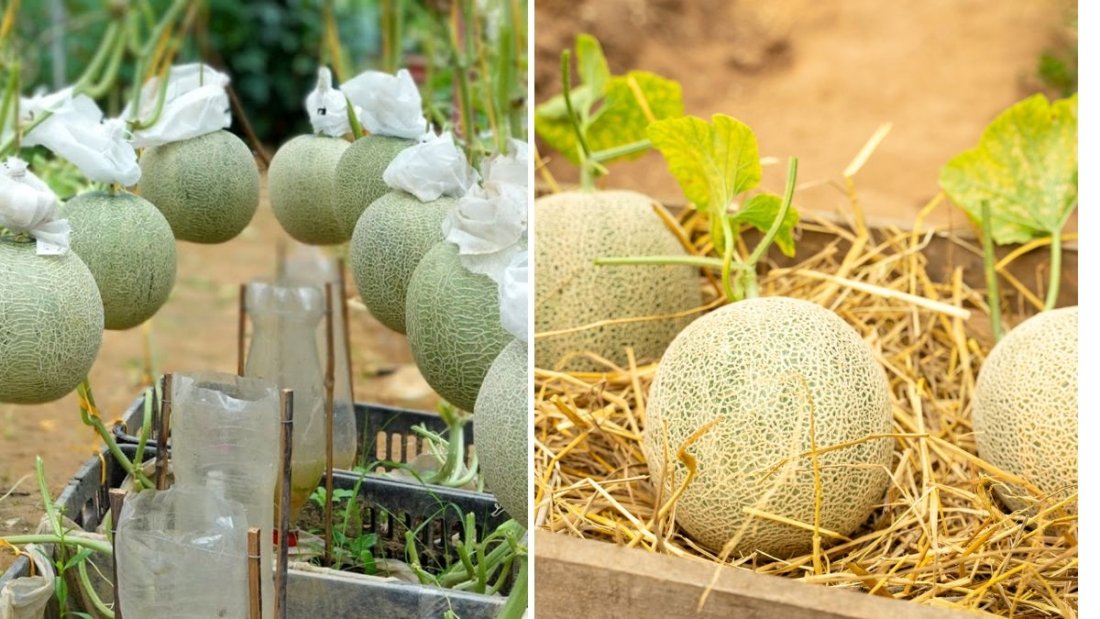
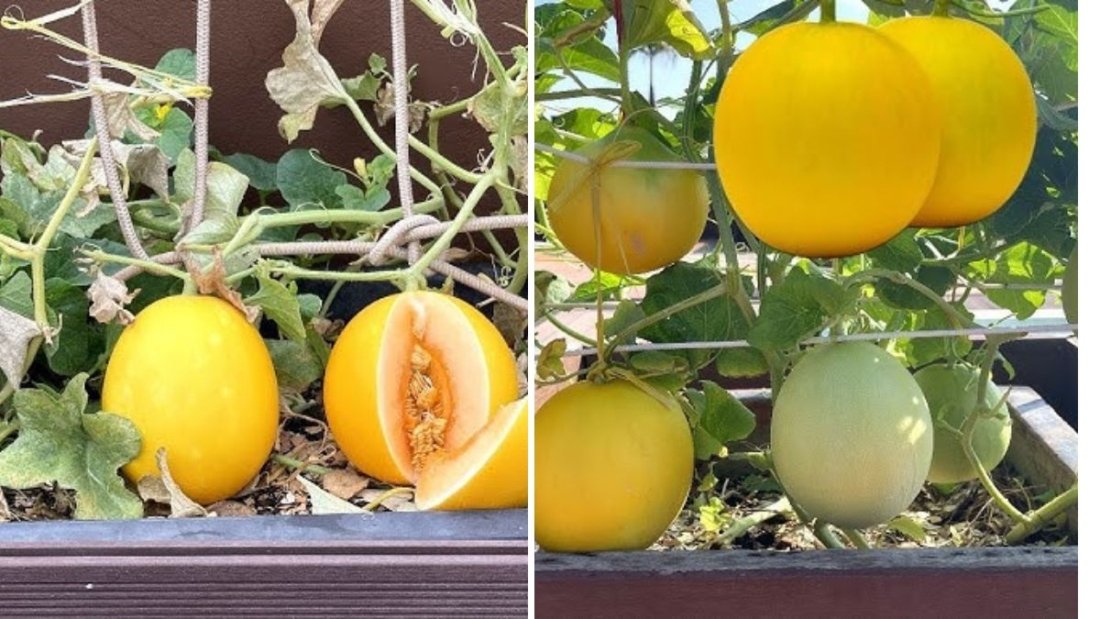
Growing melons doesn’t have to be limited to large gardens or farmlands. With some creativity, patience, and smart container gardening techniques, you can grow big, juicy, orange-flesh melons right on your terrace — even if you live in an apartment or urban home. Inspired by the video “Growing Melons Hanging Plastic Bowls on the Terrace – Big Fruit – Orange Flesh,” this article will guide you step by step through the fascinating process of growing productive melon vines in hanging containers.

If you’re ready to transform your terrace into a mini fruit paradise, here’s everything you need to know — from choosing the right melon variety and preparing the soil to watering, pruning, and harvesting ripe, aromatic fruits.


Why Grow Melons in Hanging Plastic Bowls?

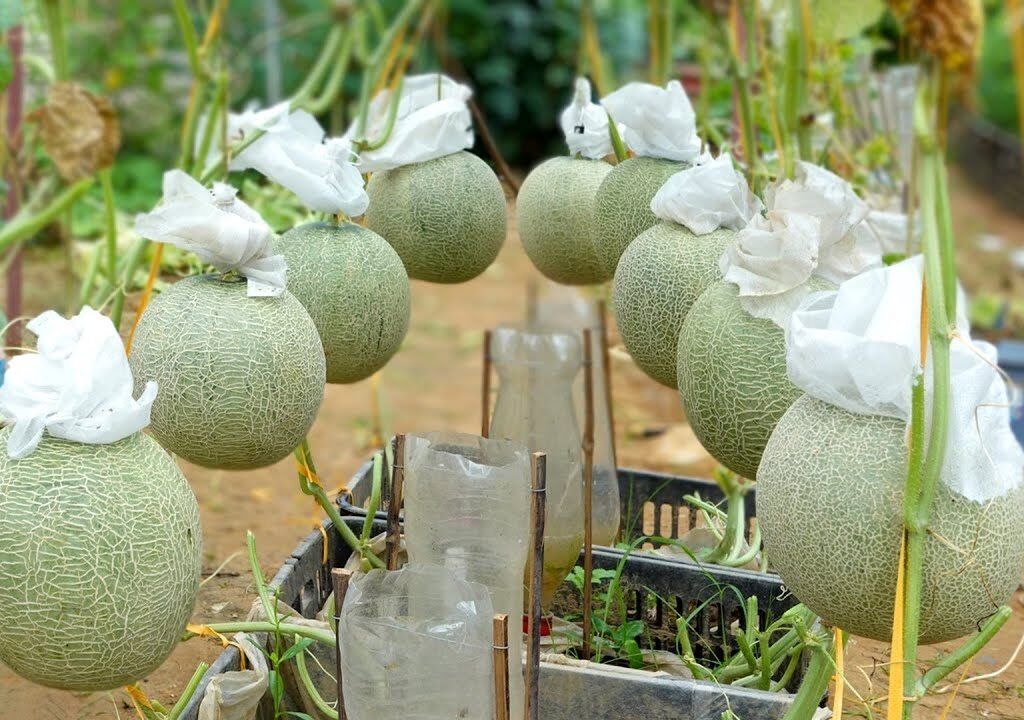
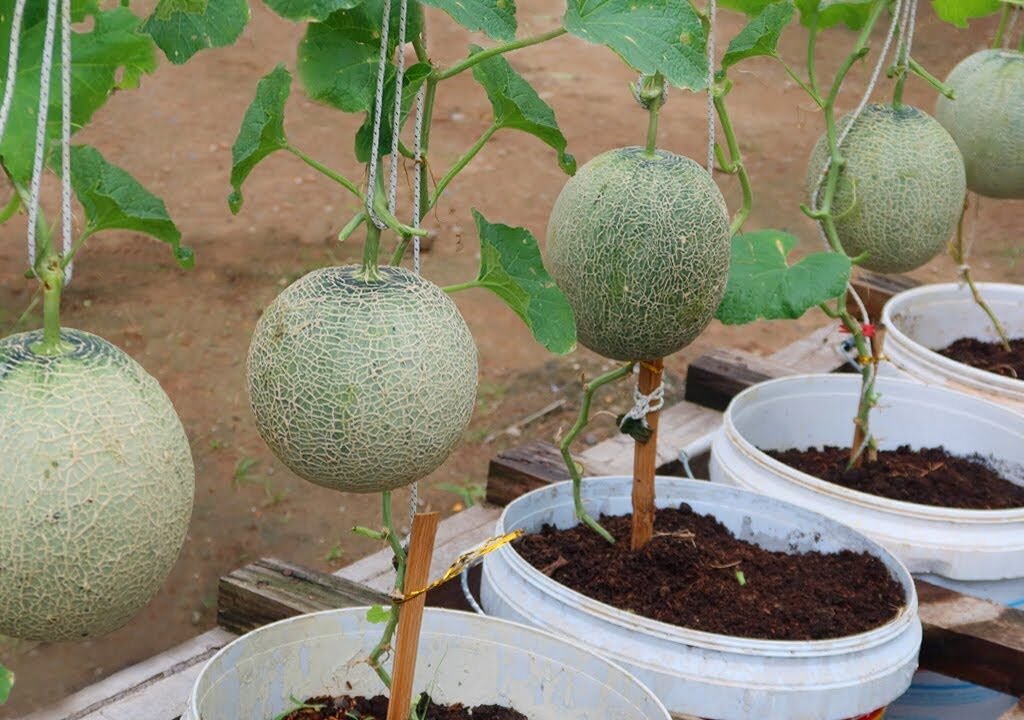
Hanging melons might sound unusual, but this innovative method is gaining popularity among urban gardeners. The technique involves growing melon vines in large plastic hanging bowls or containers, allowing the vines to trail downward instead of spreading across the ground.

This system offers several benefits:

  • Space-saving: Perfect for small terraces and balconies.
  • Better air circulation: Reduces the risk of fungal diseases and rot.
  • Cleaner fruits: Melons don’t rest on the soil, keeping them blemish-free.
  • Aesthetic appeal: The hanging vines with growing fruits add beauty to your terrace.
  • Controlled environment: Easier to manage soil moisture, pests, and nutrients.

It’s a practical and visually stunning way to enjoy homegrown fruit even in limited spaces.


1. Choosing the Right Melon Variety

To grow melons successfully in hanging bowls, you’ll need to pick compact, fast-maturing varieties that perform well in containers. Orange-flesh melons, often called muskmelons or cantaloupes, are ideal because they produce medium-sized fruits and thrive in warm, sunny conditions.

Some recommended varieties include:

  • ‘Sugar Queen’ – Early-bearing, sweet, and suitable for pots.
  • ‘Minnesota Midget’ – Small fruits (1–2 pounds), perfect for containers.
  • ‘Golden Jenny’ – Compact vines with deep orange, aromatic flesh.
  • ‘Honey Rock’ – Reliable, flavorful, and adapts well to limited space.

Choose hybrid or disease-resistant types for consistent yield and healthier plants.


2. Selecting and Preparing Hanging Bowls

Your melon’s success depends largely on the container. Since melons need ample root space, choose large hanging plastic bowls that are at least 18–20 inches in diameter and 10–12 inches deep.

Container Setup:

  • Make sure each bowl has 4–6 drainage holes to prevent waterlogging.
  • Line the bottom with small pebbles or pieces of broken clay pots for better drainage.
  • Use sturdy metal chains or thick rope to support the weight of the soil, water, and growing fruit — each container can weigh up to 10–15 kg when mature fruits develop.

Soil Mix Recipe:
To ensure good aeration and nutrient supply, prepare a rich, well-draining mix:

  • 40% garden soil
  • 30% compost or aged cow manure
  • 20% coco peat or perlite for moisture control
  • 10% sand or vermicompost for added fertility

Mix a handful of bone meal or rock phosphate to promote root and fruit development.


3. Sowing and Germinating Melon Seeds

Melons are warm-season crops, so start sowing when daytime temperatures are consistently above 75°F (24°C).

Steps for Sowing:

  1. Soak melon seeds in warm water for 6–8 hours to improve germination.
  2. Fill small pots or trays with seed-starting mix and plant seeds 1 inch deep.
  3. Keep the soil slightly moist — not soggy — and maintain warmth around 80°F (27°C).
  4. Germination takes 5–7 days. Once seedlings have two true leaves, they’re ready for transplanting.

Transplanting:
Transfer one strong seedling per hanging bowl. Be careful not to disturb the delicate roots. Position the bowl in a spot that receives 6–8 hours of direct sunlight daily.


4. Providing the Ideal Growing Conditions

Light:
Sunlight is essential for sweetness and growth. Ensure your terrace receives maximum exposure to full sun. If sunlight is limited, consider using reflective sheets or mirrors to redirect light toward your plants.

Temperature:
Melons love warmth — ideal range: 75–90°F (24–32°C). Protect your plants from cold drafts and strong winds using transparent plastic sheets or windbreakers.

Humidity & Airflow:
Proper air movement prevents mold and encourages pollination. Avoid clustering too many bowls together; space them about 3–4 feet apart.


5. Watering and Feeding Your Melons

Watering:
Melons are thirsty plants, especially when fruits start forming. However, overwatering can cause root rot.

  • Water deeply every 2–3 days, allowing the top inch of soil to dry between sessions.
  • Use a watering can or drip system to deliver moisture directly to the roots.
  • During fruit ripening, slightly reduce watering to enhance sweetness and prevent cracking.

Feeding:
Melons are heavy feeders. Feed plants every 2 weeks using a liquid fertilizer or compost tea.

Recommended Fertilizer Routine:

  • Early growth: Balanced fertilizer (NPK 10-10-10).
  • Flowering stage: Add phosphorus-rich fertilizer to boost blooms.
  • Fruit development: Switch to potassium-rich feed (e.g., NPK 5-10-20) for better flavor.

Adding seaweed extract or fish emulsion once a month enhances overall plant vigor.


6. Supporting and Managing Hanging Vines

As the vines grow, they’ll begin to cascade down beautifully from the bowl. Gently guide them using soft ties or garden clips to prevent breakage.

For fruits that start developing, support them using cloth slings or mesh bags tied to the bowl or trellis. This prevents fruits from pulling on the vines due to weight and helps them grow evenly without deformities.

If you have a terrace railing or pergola, you can let the vines trail horizontally for extra support.


7. Pollination Tips

One common challenge in terrace melon gardening is pollination, especially if there are few pollinators around.

Manual Pollination Steps:

  1. Identify male flowers (with thin stems) and female flowers (with small round fruits behind petals).
  2. In the morning, pluck a male flower and gently brush its pollen onto the center of the female flower.
  3. You can use a soft paintbrush instead of direct contact for cleaner pollination.

This ensures better fruit set and uniform growth, especially when growing indoors or on high-rise terraces.


8. Pruning and Growth Management

Pruning is essential for controlling growth and improving fruit size.

  • Once vines reach 4–5 feet, pinch off the growing tips to encourage side shoots.
  • Retain only 2–3 strong vines per plant.
  • Remove yellow or dead leaves regularly to improve airflow.

Pruning redirects the plant’s energy toward fruit production, resulting in bigger, sweeter melons.


9. Protecting Against Pests and Diseases

Even in containers, melon plants can attract aphids, whiteflies, and fungal infections.

Natural Remedies:

  • Spray neem oil (5 ml per liter of water) weekly to repel insects.
  • Use garlic or chili spray as a natural deterrent.
  • Keep leaves dry during watering to avoid powdery mildew.
  • Rotate your hanging bowls every season to reduce soil-borne disease buildup.

Good hygiene, airflow, and sunlight are your best defenses against terrace garden pests.


10. Harvesting Big, Sweet Orange-Flesh Melons

After about 80–100 days, your orange-flesh melons will be ready to harvest.

Signs of Ripeness:

  • The fruit emits a sweet, musky aroma.
  • The rind changes from green to golden or cream-colored.
  • The stem begins to crack slightly where it attaches to the fruit.
  • When tapped, the melon gives a dull, hollow sound.

Use scissors or pruning shears to cut the fruit from the vine, leaving a small stem attached. Handle carefully to avoid bruising.

Store ripe melons in a cool, dry place or refrigerate them to extend freshness. The taste is rich, aromatic, and deeply satisfying — all from your own terrace!


11. Seasonal Care and Continuous Production

To enjoy melons throughout the year, stagger your plantings every 3–4 weeks. In cooler seasons, cover your terrace setup with transparent greenhouse film to maintain warmth.

After harvesting, refresh the soil with new compost and organic matter before replanting. This maintains fertility and prevents nutrient exhaustion.


Final Thoughts

Growing big, orange-flesh melons in hanging plastic bowls is not only possible — it’s surprisingly productive and beautiful. The cascading green vines with glowing orange fruits create a tropical look on your terrace, while providing you with delicious, homegrown melons.

By following the simple principles from “Growing Melons Hanging Plastic Bowls on the Terrace – Big Fruit – Orange Flesh,” you can turn even a small urban balcony into a thriving fruit garden. With just sunlight, care, and a bit of love, you’ll soon be enjoying the sweetness of your very own terrace-grown melons — fresh, juicy, and straight from the vine.

Mastering Honeydew Melon Cultivation: How to Grow Sweet, Juicy Melons Inside the Greenhouse

Mastering Honeydew Melon Cultivation: How to Grow Sweet, Juicy Melons Inside the Greenhouse

Growing honeydew melons inside a greenhouse is one of the most rewarding gardening experiences for home growers and horticulture enthusiasts alike. With their sweet, refreshing flavor and smooth pale-green flesh, honeydew melons are a summertime favorite — and when grown under controlled greenhouse conditions, you can achieve high yields and consistent quality.

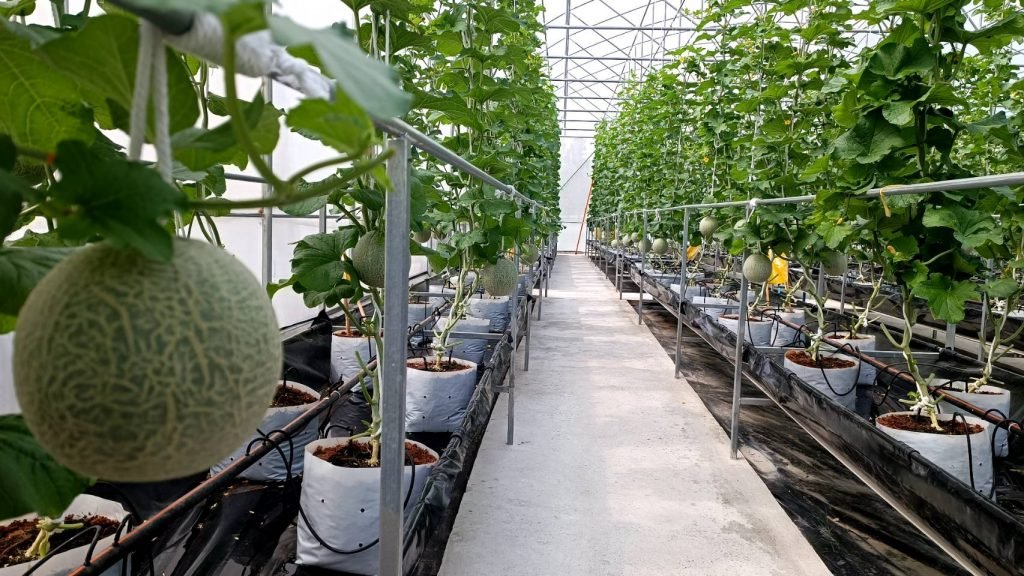
In this guide, inspired by “TLE Horticulture Growing Honeydew Melon Inside the Greenhouse,” we’ll explore every stage of honeydew melon cultivation — from seed selection and soil preparation to pollination, pest control, and harvesting — ensuring you have all the knowledge needed to grow your own delicious melons.


Understanding Honeydew Melons

Honeydew melons (Cucumis melo var. inodorus) belong to the muskmelon family, sharing similarities with cantaloupes but featuring a smooth, waxy rind and pale green flesh. They thrive in warm, sunny climates but are sensitive to sudden temperature changes and excessive moisture. That’s why greenhouse growing offers a perfect environment — protecting them from harsh weather, pests, and inconsistent watering.

Greenhouses create the ideal microclimate that melons need: steady warmth, balanced humidity, and ample light. This controlled setup results in sweeter fruits, faster growth, and fewer issues compared to open-field cultivation.


1. Choosing the Right Variety

Selecting a high-quality hybrid or heirloom variety suited for greenhouse growth is key. Look for compact, disease-resistant types such as:

  • ‘Earlisweet’ – early-maturing and known for its rich flavor.
  • ‘Honey Brew’ – excellent sweetness and high productivity.
  • ‘Arava’ – a popular Galia-type hybrid that performs well under greenhouse conditions.
  • ‘Temptation’ – produces smooth, uniform fruits ideal for small spaces.

When purchasing seeds, choose those labeled for greenhouse or controlled environment use, as they adapt better to limited space and artificial pollination methods.


2. Soil Preparation and Bed Setup

Honeydew melons prefer well-draining, fertile soil rich in organic matter. Inside a greenhouse, raised beds or large grow bags work best because they prevent waterlogging and improve aeration.

Ideal Soil Mix:

  • 40% loam or sandy loam soil
  • 30% compost or aged manure
  • 20% coco peat or perlite for aeration
  • 10% vermicompost for nutrient boost

Maintain a soil pH of 6.0–6.8 for optimal nutrient uptake. Before planting, mix in a slow-release organic fertilizer rich in phosphorus and potassium to encourage strong root growth and flowering.


3. Sowing and Germination

Start your seeds indoors or directly in the greenhouse about 4–6 weeks before transplanting.

Steps:

  1. Sow 2–3 seeds per cell in seed trays or biodegradable pots, about 1 inch deep.
  2. Keep the temperature around 75–85°F (24–29°C) for rapid germination.
  3. Water lightly and ensure good air circulation to prevent fungal diseases.
  4. Once seedlings develop two true leaves, thin them to one healthy plant per pot.

Transplant seedlings into their final greenhouse beds when they’re about 3–4 weeks old and the soil is warm (above 70°F).


4. Greenhouse Conditions and Temperature Control

Honeydew melons love warmth and light. Inside the greenhouse, aim for:

  • Daytime temperature: 80–90°F (27–32°C)
  • Nighttime temperature: 65–70°F (18–21°C)
  • Humidity: 60–70%

Install shade nets or reflective film during peak summer to prevent overheating, and use ventilation fans to maintain consistent airflow. A balanced environment minimizes diseases like powdery mildew and supports uniform fruit development.


5. Training and Pruning

Melons naturally sprawl, but in greenhouse cultivation, vertical trellising helps maximize space and improve air circulation.

Training Tips:

  • Use nylon or jute strings tied to the greenhouse frame for vine support.
  • As vines grow, gently twist them around the string or clip them at intervals.
  • Remove lateral shoots below the fifth node to encourage strong upward growth.

Once fruits start forming, prune excessive leaves to expose melons to filtered sunlight — this helps them ripen evenly and enhances sweetness.


6. Pollination Techniques

Since bees may not be as active inside a greenhouse, hand pollination ensures fruit set.

How to do it:

  • Identify male flowers (with thin stems) and female flowers (with tiny fruit behind the petals).
  • In the morning, gently transfer pollen from the male flower to the female flower using a small brush or by touching the blooms directly.
  • Mark pollinated flowers with ribbons to track fruit development.

Alternatively, you can introduce small hives of bumblebees for natural pollination if growing at a commercial scale.


7. Watering and Fertilization

Consistent watering is essential — melons require moist but not soggy soil. Use a drip irrigation system to deliver even moisture directly to the roots. Avoid overhead watering, which can promote disease.

Watering Tips:

  • Water deeply 2–3 times a week during the early growth phase.
  • Reduce watering slightly once fruits start developing to concentrate sugars and improve flavor.

Fertilization Schedule:

  • Before flowering: Apply a balanced NPK (10-10-10) every two weeks.
  • During fruit set: Switch to a high-potassium fertilizer (5-10-20) to boost fruit quality.
  • Add liquid seaweed or compost tea monthly to enhance soil microbiology and nutrient uptake.

8. Pest and Disease Management

Even in greenhouses, melons can face challenges like aphids, whiteflies, spider mites, and fungal diseases.

Prevention and Control:

  • Introduce beneficial insects like ladybugs to control aphids naturally.
  • Use neem oil or insecticidal soap weekly as a preventive measure.
  • Keep humidity under control to avoid powdery mildew and downy mildew.
  • Remove infected leaves immediately and maintain good air movement inside the structure.

Regular monitoring and early intervention help maintain healthy plants and reduce chemical dependence.


9. Harvesting Honeydew Melons

Honeydew melons are typically ready for harvest 90–110 days after planting. Recognizing the right harvest time is key to achieving peak sweetness.

Signs of Ripeness:

  • Skin color changes from green to creamy yellow.
  • The blossom end becomes slightly soft to touch.
  • A sweet, musky aroma develops.
  • When tapped, the melon produces a dull, hollow sound.

Cut the fruit from the vine using sharp pruning shears, leaving a small portion of the stem attached. Handle melons gently to prevent bruising and store them in a cool, dry place for up to two weeks.


10. Post-Harvest Tips and Yield Improvement

To increase yield and fruit quality in subsequent cycles:

  • Rotate crops with leafy greens or legumes to rejuvenate soil fertility.
  • Solarize the soil between crops to reduce pathogens.
  • Use compost-enriched mulches to retain moisture and maintain soil health.
  • Regularly prune older vines and replace them with new seedlings to keep the production continuous.

By fine-tuning your greenhouse environment and following a structured care routine, you can enjoy multiple harvests per year with superior fruit quality.


Final Thoughts

Growing honeydew melons inside a greenhouse allows you to experience the joy of harvesting sweet, aromatic fruits regardless of outdoor weather. With careful attention to temperature, humidity, and pollination, even small-scale gardeners can achieve professional-quality yields.

By applying the methods demonstrated in “TLE Horticulture Growing Honeydew Melon Inside the Greenhouse,” you’ll discover that a bit of effort and precision can lead to plump, sugary melons that rival any store-bought variety. Whether you’re cultivating for personal enjoyment or small-scale sale, this controlled approach guarantees consistent, rewarding results year after year.

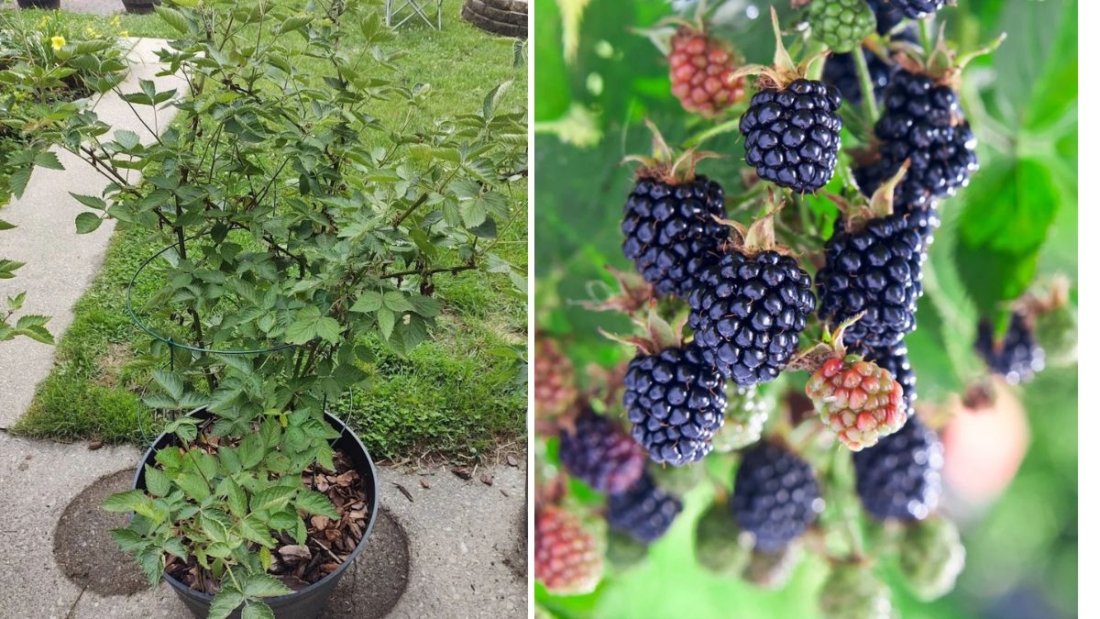
How to Grow Thornless Blackberries: A Complete Guide to Sweet, Easy Harvests

How to Grow Thornless Blackberries: A Complete Guide to Sweet, Easy Harvests

If you’ve ever wanted to grow blackberries but were hesitant because of their notorious thorns, you’re in luck — thornless blackberries are a game-changer. These modern cultivars give you the same juicy, flavorful berries without the painful scratches. Whether you have a sprawling garden or a small backyard, thornless blackberries are one of the easiest and most rewarding fruits to grow.

In this comprehensive guide, we’ll walk through everything you need to know — from planting and soil preparation to pruning, watering, and harvesting — to help you grow abundant thornless blackberries right at home.


Understanding Thornless Blackberries

Thornless blackberries belong to the Rubus genus and are cultivated varieties bred specifically to remove the thorns from traditional blackberry canes. Despite being smooth and easy to handle, these plants still produce the same delicious, nutrient-rich berries known for their deep color and tangy sweetness.

There are several types of thornless blackberries, including:

  • Erect types – These grow upright and require little support. Examples: ‘Navaho,’ ‘Apache,’ and ‘Arapaho.’
  • Semi-erect types – These benefit from a trellis or support system. Examples: ‘Chester Thornless’ and ‘Triple Crown.’
  • Trailing types – These have long, flexible canes that need trellising. Example: ‘Black Satin.’

Choosing the right type depends on your growing space and climate, but all can provide abundant harvests with minimal maintenance.


Ideal Conditions for Growing Thornless Blackberries

To get the best results, it’s important to give your plants the right environment.

  1. Sunlight: Blackberries need full sun, meaning at least 6–8 hours of direct light daily. The more sunlight they receive, the sweeter and more plentiful the berries.
  2. Soil: They thrive in well-drained, slightly acidic soil with a pH between 5.5 and 6.5. Avoid heavy clay soils that retain water, as this can lead to root rot.
  3. Temperature: Thornless blackberries are hardy and can handle a range of climates, but they grow best in USDA zones 5–10.
  4. Spacing: Each plant needs about 3–5 feet of space between them, and rows should be about 6–8 feet apart to allow airflow and sunlight penetration.

Before planting, amend your soil with compost or well-rotted manure to improve fertility and drainage.


How to Plant Thornless Blackberries

Planting thornless blackberries is straightforward, but timing and technique matter.

1. Choose the Right Time
The best time to plant is in early spring or late fall, when the soil is workable but not frozen. In cooler regions, spring planting gives plants time to establish before winter.

2. Prepare the Soil
Dig a hole about 12 inches deep and wide enough to accommodate the root system. Mix compost or organic matter into the soil to provide nutrients.

3. Planting Steps

  • Place the plant in the hole with the crown (where the stem meets the roots) at soil level.
  • Backfill with soil and firm it gently around the roots.
  • Water thoroughly after planting.
  • Apply a 2–3 inch mulch layer around the base to retain moisture and suppress weeds.

4. Support Structure
For semi-erect or trailing varieties, set up a trellis system using wires or posts about 5–6 feet tall. This keeps the canes off the ground, improves air circulation, and makes harvesting easier.


Watering and Feeding

Consistent watering is crucial, especially during the first year as plants establish roots.

  • Watering: Give your blackberries about 1–2 inches of water per week, more during hot, dry spells. Avoid overhead watering to reduce the risk of fungal diseases; instead, use drip irrigation or a soaker hose.
  • Feeding: In early spring, apply a balanced fertilizer (10-10-10) around the plants. Avoid excessive nitrogen, as it promotes leafy growth at the expense of fruit. Compost or organic mulch also works well to slowly release nutrients.

Pruning Thornless Blackberries

Pruning is the secret to strong growth, disease prevention, and higher yields. Since blackberries produce fruit on second-year canes (called floricanes), proper pruning ensures new growth each year.

Here’s how to do it:

1. After Planting (Year 1):
Cut the canes back to about 6 inches tall. This encourages root development and branching.

2. Summer Pruning:
When new canes (primocanes) reach 3–4 feet tall, pinch off the tips. This promotes lateral growth and more fruiting sites.

3. Winter Pruning:
After harvesting in late summer or early fall, remove all canes that bore fruit that year — these will not produce again. Cut them down to the ground, and tie up the new canes to the trellis for next season’s crop.

Regular pruning also improves air circulation and reduces the chances of diseases like anthracnose or rust.


Common Pests and Problems

Thornless blackberries are relatively hardy, but they can still face some issues if not properly cared for.

1. Diseases:

  • Anthracnose – Causes grayish lesions on canes. Prevent by pruning and using disease-free plants.
  • Botrytis fruit rot (gray mold) – Affects ripe berries; improve airflow and avoid overhead watering.
  • Root rot – Avoid waterlogging and plant in well-drained soil.

2. Pests:

  • Aphids and spider mites – Can be controlled with insecticidal soap or neem oil.
  • Japanese beetles – Handpick or use organic traps.
  • Birds – Use netting to protect ripening berries.

Maintaining good garden hygiene and rotating crops every few years also helps prevent pest buildup.


Harvesting Thornless Blackberries

One of the best parts of growing blackberries is harvesting those juicy clusters. Thornless varieties make this even more enjoyable!

When to Harvest:
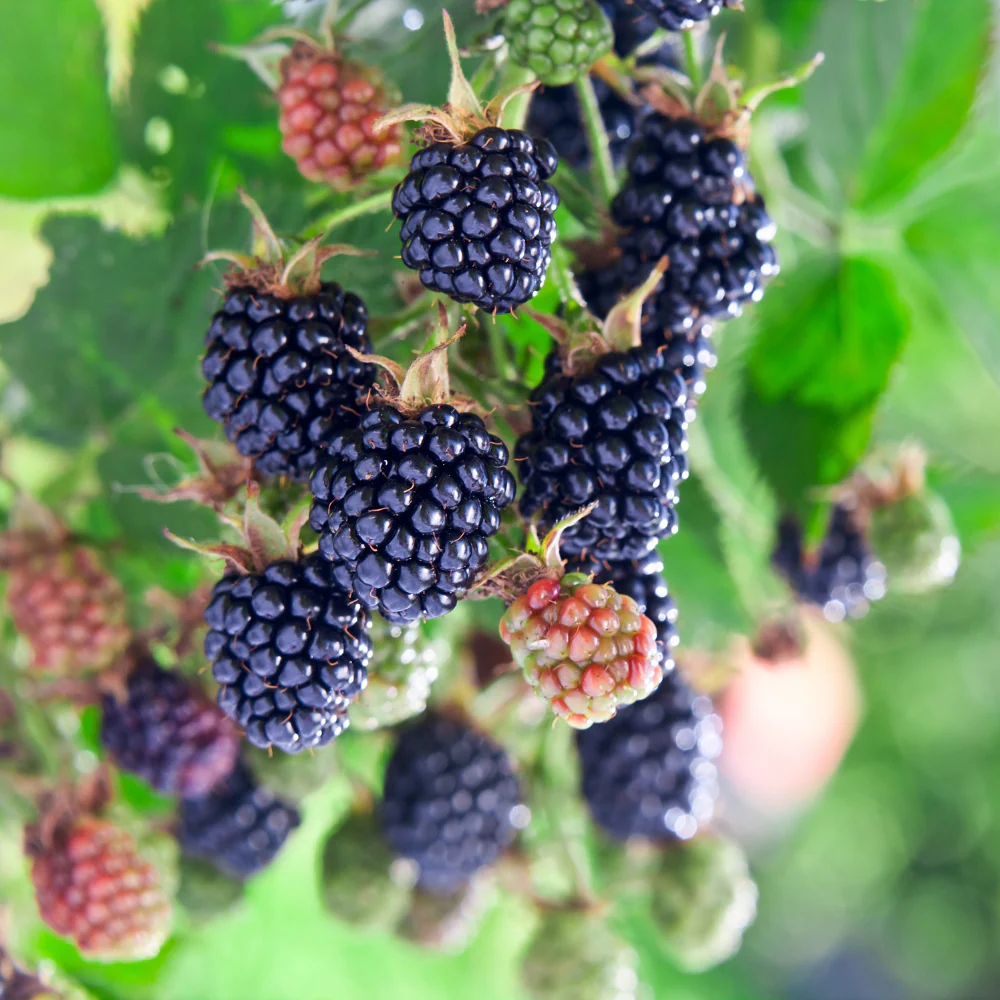
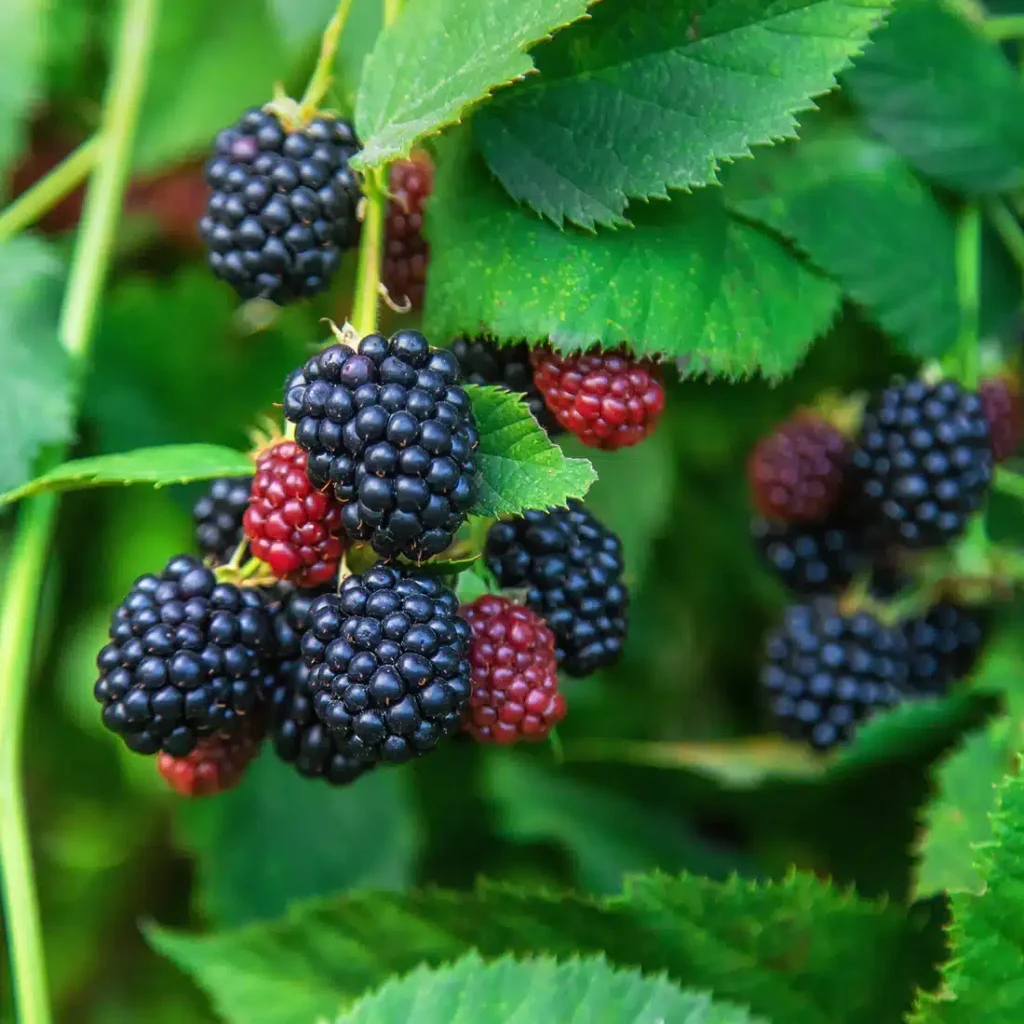
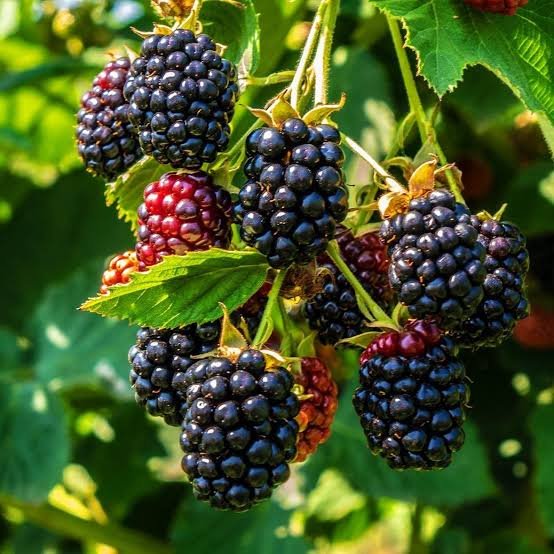
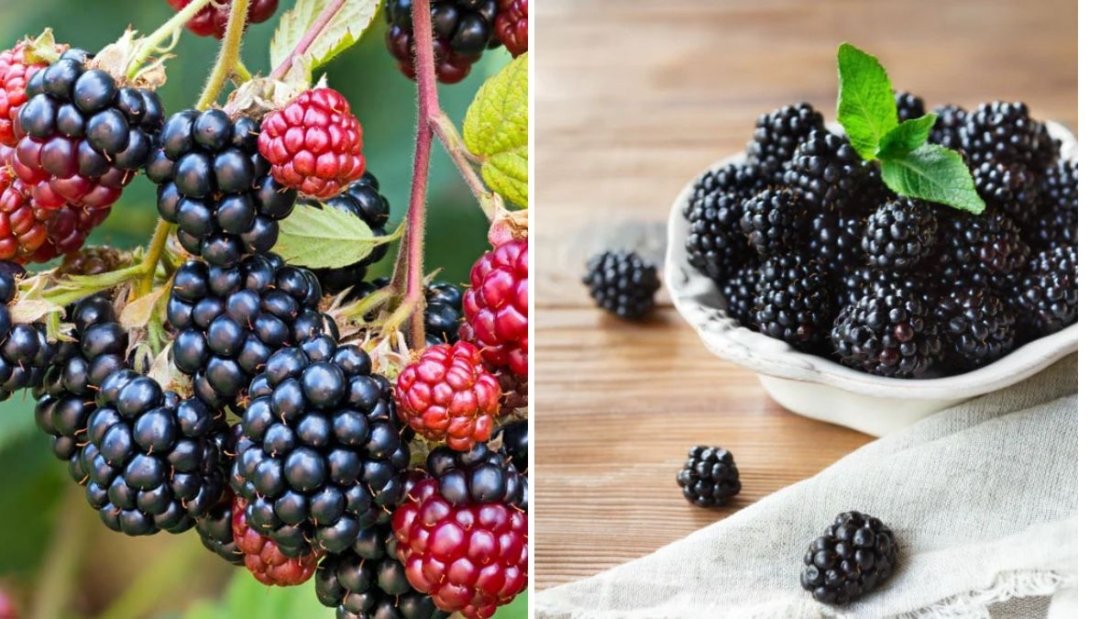
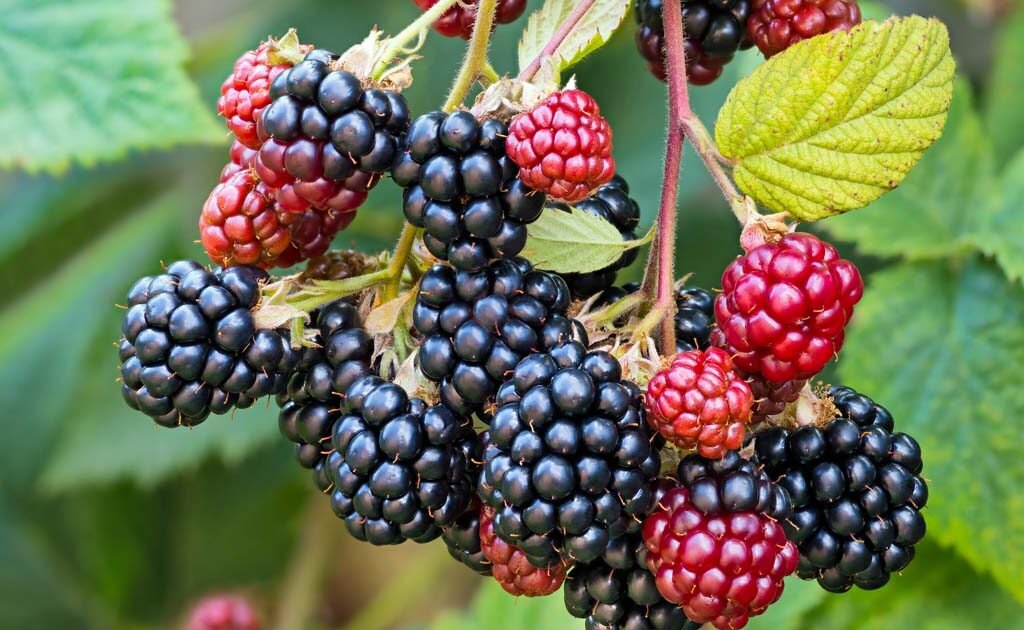
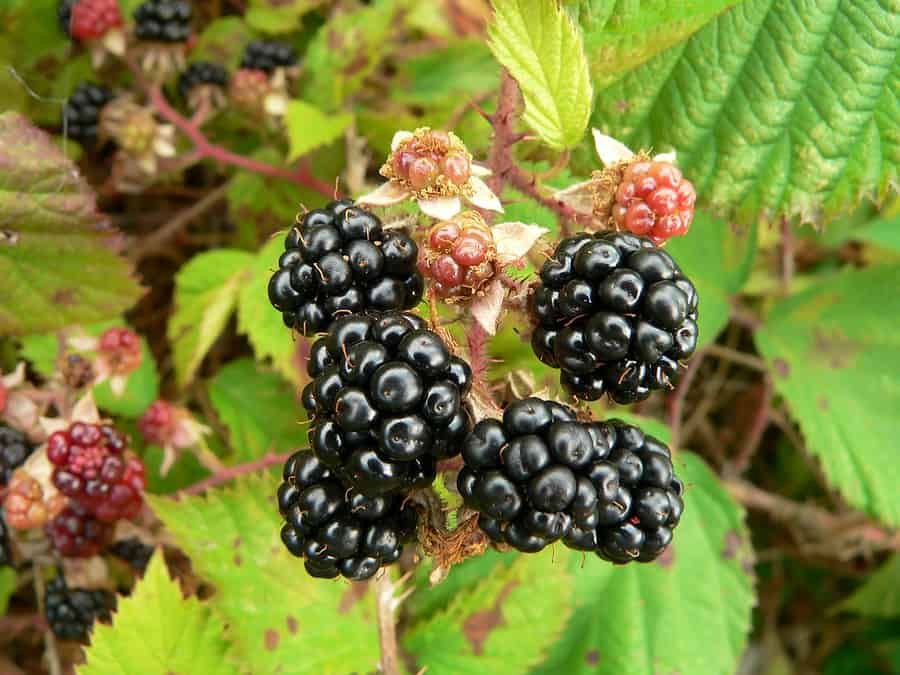
Blackberries are ready when they turn deep black, plump, and glossy. They should come off the stem easily with a gentle tug. If they’re still red or purple, give them more time to ripen.

Harvesting Tips:

  • Pick berries every 2–3 days during the harvest season (usually mid to late summer).
  • Handle them gently; blackberries are delicate and bruise easily.
  • Collect them in shallow containers to avoid crushing.

After picking, refrigerate immediately. They’ll last for about 3–5 days fresh but can also be frozen, canned, or turned into delicious jams, pies, or smoothies.


Propagation and Expanding Your Patch

Once your thornless blackberry plants are established, you can easily propagate them to grow more.

  • Tip Layering: Bend a young cane to the ground, bury the tip, and secure it with a small rock. After a few weeks, roots will form. Cut the new plant from the parent and transplant it.
  • Division: In early spring, dig up a mature plant and separate the root clumps, replanting them elsewhere.

Both methods help expand your berry patch naturally and economically.


Why Grow Thornless Blackberries?

Beyond their delicious flavor, there are many benefits to growing thornless blackberries:

  • Ease of Harvesting: No thorns means no scratches — even children can help pick.
  • High Yield: With proper care, plants can produce for 10–15 years.
  • Nutrient-Rich Fruit: Packed with antioxidants, vitamins C and K, fiber, and manganese.
  • Low Maintenance: Once established, they’re drought-tolerant and require minimal input.
  • Landscape Value: Their lush green foliage and white spring blossoms make them attractive additions to gardens.

Final Thoughts

Growing thornless blackberries is one of the most satisfying experiences for home gardeners. With just a little attention to soil, sunlight, and pruning, these plants will reward you with baskets of juicy, flavorful fruit every year — all without a single scratch.

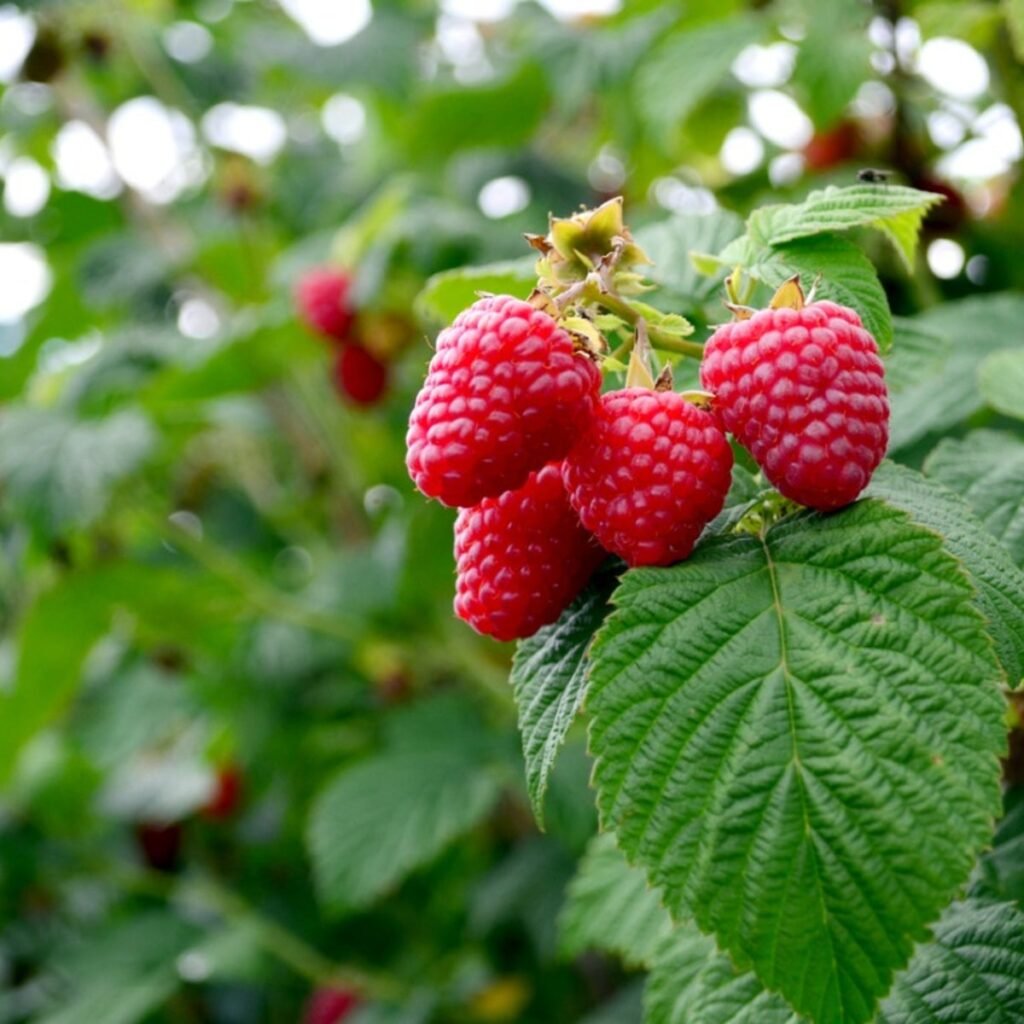
Whether you’re a seasoned grower or a beginner, thornless blackberries offer a perfect blend of convenience, beauty, and taste. Plant them this season, and in no time, you’ll be enjoying your own homegrown blackberries fresh from the vine — the sweetest reward any gardener can have.

Plant Raspberries and Blackberries Now and Double Your Berry Harvest: The Ultimate Guide to Timing, Planting, and Care

Plant Raspberries and Blackberries Now and Double Your Berry Harvest: The Ultimate Guide to Timing, Planting, and Care

If you love juicy, sun-ripened berries bursting with sweetness, there’s no better time than now to plant raspberries and blackberries in your garden. With proper timing, soil preparation, and a few expert techniques, you can double your berry harvest and enjoy a steady supply of fresh fruit for years to come.

Many gardeners wait until the growing season is in full swing to start planting, but berry lovers in the know understand that timing is everything. Whether you’re planting bare-root canes or container-grown plants, getting your raspberries and blackberries in the ground now—before active growth begins—gives them a strong head start and leads to bigger yields later.

In this comprehensive guide, we’ll explore exactly how to plant, care for, and prune these berry bushes to maximize your harvest and ensure thriving, productive plants for seasons to come.


1. Why You Should Plant Raspberries and Blackberries Now

Planting raspberries and blackberries during the late winter to early spring—or in mild regions, even late fall—offers several key advantages:

  • Stronger root establishment: Cool, moist soil encourages deep root growth before summer heat arrives.
  • Earlier fruiting: Well-established plants can produce more vigorously in their first full fruiting season.
  • Better disease resistance: Healthy, stress-free roots make plants more resilient against pests and diseases.
  • Efficient water use: Early planting means roots can take advantage of spring rains, reducing the need for frequent irrigation.

The earlier you plant, the more time your canes have to adapt to their new environment and prepare for a heavy fruit set.


2. Understanding Raspberries and Blackberries

While both raspberries (Rubus idaeus) and blackberries (Rubus fruticosus) belong to the same genus, their growth habits and pruning needs differ slightly.

  • Raspberries produce fruit on canes that grow for one or two years. Summer-bearing types fruit on second-year canes (floricanes), while fall-bearing varieties fruit on first-year canes (primocanes).
  • Blackberries grow on trailing, semi-erect, or erect canes. They typically fruit on second-year growth but can continue to produce for many years with the right pruning and support.

Both plants are perennials, meaning their roots survive year after year, even though the above-ground canes die after fruiting.


3. Choosing the Right Varieties for Maximum Harvest

To double your berry yield, start by selecting productive, disease-resistant varieties suited to your climate.

Best Raspberry Varieties:

  • Heritage: Fall-bearing, dependable, and productive with rich flavor.
  • Caroline: Large, sweet berries and high disease resistance.
  • Boyne: Cold-hardy summer-bearing variety with consistent yields.

Best Blackberry Varieties:

  • Arapaho: Thornless, early-ripening, and flavorful.
  • Triple Crown: Heavy yields of large, sweet berries with semi-erect growth.
  • Natchez: Large, firm fruit on vigorous, thornless canes.

If you live in a warmer area, choose heat-tolerant varieties; for cooler regions, select cold-hardy cultivars that can withstand frost.


4. Preparing the Perfect Soil

Raspberries and blackberries thrive in well-draining, fertile, slightly acidic soil with a pH between 5.5 and 6.5. Poor drainage can quickly lead to root rot, so preparing the soil correctly before planting is essential.

Steps for Soil Preparation:

  1. Test the pH: Adjust acidity with sulfur if needed, or add lime to raise pH.
  2. Add organic matter: Work in compost, aged manure, or peat moss to enrich the soil and improve texture.
  3. Ensure drainage: If you have heavy clay soil, consider planting in raised beds or rows.
  4. Clear weeds: Remove any grass or weeds that will compete for nutrients and moisture.

Healthy, loose soil encourages rapid root growth, resulting in stronger canes and higher yields.


5. How to Plant Raspberries and Blackberries

Proper planting depth and spacing are crucial for establishing vigorous berry bushes that won’t overcrowd each other.

When to Plant:

  • In cool climates, plant in early spring once the ground can be worked.
  • In mild or warm climates, late fall or early winter planting is ideal.

Planting Steps:

  1. Dig a hole or trench large enough to spread the roots comfortably.
  2. Set the plants so the crown (where roots meet stem) is level with the soil surface.
  3. Space raspberries 2–3 feet apart and blackberries 3–4 feet apart.
  4. Backfill with soil, firm gently, and water deeply.
  5. Mulch with 2–3 inches of pine bark, wood chips, or straw to conserve moisture.

Proper spacing prevents diseases and allows plenty of airflow and sunlight for fruit development.


6. Watering and Feeding for Strong Growth

Both raspberries and blackberries need consistent watering to thrive, especially during the first growing season.

  • Water deeply once or twice per week, ensuring the soil remains moist but not soggy.
  • Avoid overhead watering, which can encourage fungal problems. Drip irrigation or soaker hoses work best.

For fertilizing, apply a balanced organic fertilizer (such as 10-10-10) or compost in early spring as new growth appears. Midseason feeding can be done after the first harvest to promote new cane growth for the following year.


7. Training and Supporting the Canes

Raspberry and blackberry canes grow tall and can become unruly if left unsupported. A simple trellis or wire system keeps plants upright, improves air circulation, and makes harvesting easier.

Trellis Setup:

  • Place sturdy posts 6–8 feet apart.
  • Run two wires horizontally at 2 and 4 feet above the ground.
  • As canes grow, tie them loosely to the wires using twine or garden tape.

For trailing blackberry varieties, guide the canes along the lower wire, then tie new growth vertically to maintain shape and productivity.


8. Pruning for Bigger Yields

Pruning is essential to keeping your plants healthy and productive. Each year, remove old, dead, or diseased canes to make room for vigorous new ones.

For Raspberries:

  • Fall-bearing varieties: Cut all canes to the ground in late winter for a single, large fall crop.
  • Summer-bearing varieties: Remove the canes that fruited last season (they turn brown and woody), leaving the new green canes to fruit this year.

For Blackberries:

  • After harvesting, prune spent canes down to the ground.
  • In spring, tip-prune the new canes by cutting off 2–3 inches of growth to encourage branching and more fruiting sites.

Regular pruning not only doubles your fruiting potential but also reduces disease and improves air flow.


9. Preventing Pests and Diseases

Healthy plants resist pests naturally, but keeping your berry patch clean and well-maintained is key.

Common Problems:

  • Aphids, spider mites, and cane borers can damage foliage and stems. Use insecticidal soap or neem oil if needed.
  • Cane blight and root rot occur in poorly drained soil or overcrowded plantings. Ensure good spacing and avoid overwatering.
  • Birds love ripe berries—protect your harvest with lightweight bird netting.

Keep the area weed-free, prune regularly, and clean up fallen leaves or debris at the end of the season to prevent overwintering pests.


10. How to Double Your Berry Harvest

The secret to doubling your raspberry and blackberry harvest lies in consistent care and smart management. Here’s how to get the most from your plants:

  1. Plant both summer- and fall-bearing varieties: This ensures a continuous supply of berries throughout the growing season.
  2. Prune aggressively and regularly: Healthy new canes produce the biggest, sweetest berries.
  3. Mulch annually: Keeps soil moisture consistent and prevents weed competition.
  4. Feed organically: Use compost or berry fertilizer every spring for sustained growth.
  5. Water consistently: Drought stress leads to smaller, less flavorful berries.
  6. Train canes properly: Upright canes receive more sunlight, improving fruit quality.

By combining these techniques, you can easily double your harvest compared to neglected or poorly maintained berry patches.


11. Harvesting and Storing Your Berries

Raspberries and blackberries are ready to harvest when they are fully colored and easily detach from the plant.

Harvesting tips:

  • Pick early in the morning when berries are cool.
  • Handle gently to avoid bruising.
  • Harvest every few days to keep plants producing.

Store fresh berries in the refrigerator for up to 5 days. To preserve longer, freeze them in a single layer on a tray before transferring them to airtight containers.


12. Propagating for More Plants

Once your raspberries and blackberries are established, they’ll send up new shoots (suckers) around the base. You can dig these up in early spring or fall and replant them to expand your patch or share with other gardeners.

Alternatively, trailing blackberries can be propagated by tip layering—burying the tip of a cane in soil until it roots, then cutting it from the parent plant.

This natural propagation means your berry garden can keep expanding year after year, with minimal cost or effort.


Conclusion

Planting raspberries and blackberries now is one of the best decisions you can make for your garden. Early planting sets the stage for healthy, high-yielding plants that can reward you with gallons of fruit for years to come.

With proper soil preparation, consistent watering, regular pruning, and timely feeding, you can double your berry harvest and enjoy the taste of homegrown fruit straight from the garden. Whether you grow them in rows, raised beds, or containers, these hardy, productive plants are a gift that keeps giving—season after season.

Watch This Before Planting Raspberries: The Complete Guide to Growing and Pruning Fall-Bearing Heritage Raspberries (Red)

Watch This Before Planting Raspberries: The Complete Guide to Growing and Pruning Fall-Bearing Heritage Raspberries (Red)

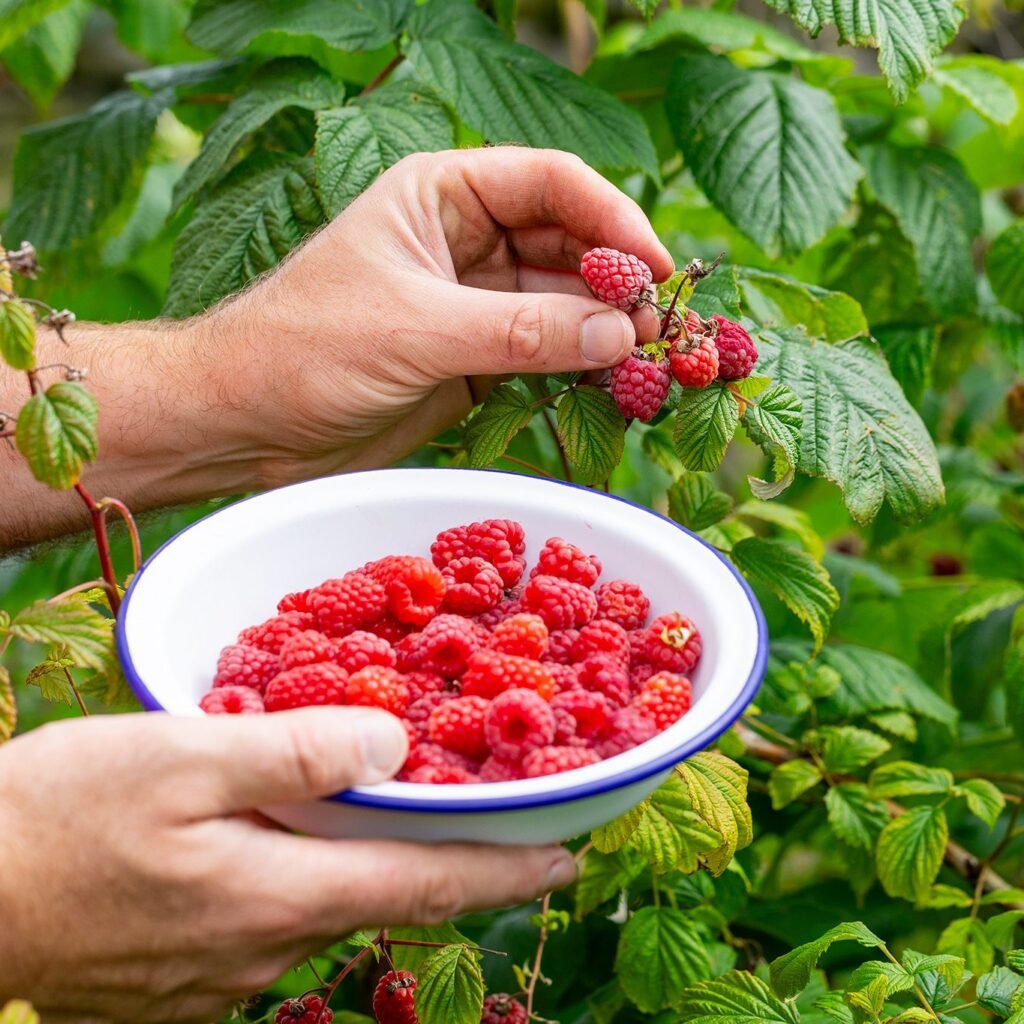
Raspberries are among the most rewarding and delicious berries you can grow in your backyard. Their vibrant color, tangy-sweet flavor, and versatility in the kitchen make them a garden favorite. But before you plant your first cane, it’s essential to understand how raspberries grow, what they need to thrive, and how proper pruning—especially for fall-bearing varieties like the Heritage Raspberry—can dramatically affect your harvest.

This detailed guide will walk you through everything you need to know before planting raspberries, focusing on the Heritage Red Raspberry, a popular fall-bearing type known for its reliability, high yields, and exceptional flavor.


1. Understanding Fall-Bearing Heritage Raspberries

The Heritage Raspberry (Rubus idaeus ‘Heritage’) is one of the most popular and dependable fall-bearing raspberry varieties. It was first introduced in the 1960s and quickly became a favorite among home gardeners and commercial growers alike.

Fall-bearing raspberries, also known as primocane varieties, produce fruit on first-year canes—the new growth that emerges each spring. This differs from summer-bearing raspberries, which produce fruit only on second-year canes (known as floricanes).

This means that Heritage raspberries can give you two harvests per year if managed properly:

  • A small early-summer crop on the lower parts of the canes that fruited the previous year.
  • A main, heavier fall crop on the new canes that grew during the current season.

This unique growth pattern allows for a longer harvest period and simplifies pruning, especially if you choose to focus only on the fall crop.


2. Why Choose Heritage Raspberries?

There are several reasons why gardeners love growing Heritage raspberries:

  • Extended harvest: Produces fruit from late summer through the first frost.
  • Self-fertile: You only need one plant variety to produce berries.
  • Cold-hardy: Performs well in USDA zones 4–8.
  • High quality: Berries are medium to large, firm, and flavorful, perfect for fresh eating, freezing, or making jams.
  • Reliable and low-maintenance: Once established, Heritage raspberries can produce for years with minimal care.

These qualities make them an ideal choice for both beginner and experienced gardeners.


3. Choosing the Right Site

Raspberries need the right environment to thrive. Choosing the right planting site is crucial for healthy growth and abundant harvests.

Sunlight: Heritage raspberries need at least six to eight hours of direct sunlight daily. A sunny location ensures the plants develop strong canes and sweet fruit.

Soil: Raspberries prefer well-drained, fertile soil rich in organic matter. The ideal soil pH is between 5.5 and 6.5. Avoid heavy clay soils that retain too much water, as soggy roots lead to disease and poor growth.

Air circulation: Good airflow helps reduce fungal diseases like cane blight and powdery mildew. Avoid planting raspberries too close together or in low-lying areas where humidity lingers.

Crop rotation: Avoid planting raspberries where tomatoes, peppers, eggplants, potatoes, or strawberries have grown in the past few years, as these plants share similar soil diseases that can harm raspberries.


4. Preparing the Soil

Before planting, it’s essential to prepare your soil properly.

  1. Remove weeds: Clear the area of grass and perennial weeds.
  2. Loosen the soil: Dig or till the soil about 12 inches deep to promote root growth.
  3. Amend the soil: Mix in compost, aged manure, or peat moss to improve fertility and drainage.
  4. Adjust pH if needed: Add sulfur to lower pH or lime to raise it, depending on your soil test results.

Healthy, nutrient-rich soil at planting time lays the foundation for years of productive growth.


5. Planting Heritage Raspberries

Best planting time: Early spring is ideal, just as the ground thaws but before new growth begins.

Spacing:

  • Space plants 2 to 3 feet apart in rows that are 6 to 8 feet apart.
  • This spacing allows room for canes to spread and makes harvesting easier.

How to plant:

  1. Dig a hole large enough to accommodate the roots without bending them.
  2. Set the plant so the crown (where the roots meet the stems) is level with the soil surface.
  3. Backfill the hole with soil, firm it gently, and water thoroughly.
  4. Apply a 2–3 inch layer of mulch around the base to conserve moisture and suppress weeds.

6. Watering and Fertilizing

Raspberries need consistent moisture, especially during the growing and fruiting seasons.

  • Watering: Provide about 1 to 1.5 inches of water per week, either from rainfall or irrigation. Drip irrigation or soaker hoses work best to keep foliage dry and reduce disease risk.
  • Fertilizing: Feed plants each spring with a balanced fertilizer (10-10-10) or a compost-based amendment. Avoid overfertilizing, as too much nitrogen promotes leaf growth over fruit production.

7. Supporting the Canes

Heritage raspberries grow tall, often reaching 5–6 feet, so they benefit from a simple support system.

You can use a trellis or wire system:

  • Place sturdy posts at both ends of each row, with wires stretched horizontally at about 2 and 4 feet high.
  • Tie canes loosely to the wires with garden twine to keep them upright and organized.

This setup improves air circulation, reduces disease risk, and makes harvesting easier.


8. The Importance of Pruning

Pruning is one of the most crucial tasks when growing Heritage raspberries. It directly affects plant health, fruit quality, and yield.

Understanding cane growth:

  • Primocanes are first-year canes that emerge in spring and bear fruit in late summer or fall.
  • Floricanes are second-year canes that produce fruit in early summer and then die back.

For Heritage raspberries, you can choose between two pruning methods depending on whether you want one large fall crop or two smaller crops.


Method 1: Single (Fall-Only) Crop Pruning

This is the simplest and most common approach for home gardeners.

Steps:

  1. After the final fall harvest, cut all canes down to ground level during winter or early spring.
  2. New canes will grow in spring and produce fruit on their tips in late summer and fall.

This method keeps maintenance low, eliminates disease-carrying canes, and results in a single, heavy harvest of high-quality berries.


Method 2: Two-Crop System

If you want both summer and fall harvests:

  1. In late winter, remove only the top third of each cane (the portion that fruited last fall).
  2. The lower two-thirds will bear a smaller summer crop on the same canes.
  3. After the summer harvest, cut those canes to the ground to make room for new primocanes.

While this method extends your harvest season, it requires more maintenance and organization.


9. Common Problems and How to Avoid Them

Heritage raspberries are relatively resilient but can still face a few challenges.

Diseases:

  • Cane blight and anthracnose can be prevented by proper pruning, spacing, and good airflow.
  • Avoid overhead watering and remove any diseased canes immediately.

Pests:

  • Aphids, spider mites, and raspberry cane borers are common pests. Encourage beneficial insects or use organic treatments like neem oil when necessary.

Birds:

  • Birds love ripe raspberries. Protect your crop with lightweight bird netting during harvest season.

Weeds:

  • Mulching helps suppress weeds and retain soil moisture, reducing competition for nutrients.

10. Harvesting Heritage Raspberries

Heritage raspberries start ripening in late summer and continue until the first frost.

Berries are ready to pick when they are fully red, plump, and easily come off the cane. Avoid tugging or forcing them, as unripe berries lack sweetness and flavor.

Harvest every few days to collect ripe berries and encourage continuous production. Fresh raspberries can be stored in the refrigerator for up to five days or frozen for long-term use.


11. Propagation and Expanding Your Patch

Raspberries naturally produce suckers—new shoots that emerge from the root system. These can be dug up and transplanted to start new plants.

Alternatively, you can propagate raspberries by tip layering:

  1. Bend a healthy cane to the ground in late summer.
  2. Bury the tip in the soil, leaving about 6 inches of cane exposed.
  3. By the following spring, the buried section will have rooted and can be separated to form a new plant.

This method ensures you get genetically identical, productive plants for free.


12. Winter and Long-Term Care

In colder regions, mulch heavily around the base of the plants with straw or wood chips to protect the roots from freezing temperatures. Prune after the growing season, clean up fallen leaves and canes, and apply compost to enrich the soil.

Heritage raspberries, once established, can produce bountiful harvests for 10 years or more, rewarding you with bowls of sweet, ruby-red fruit every season.


Conclusion

Before planting raspberries, especially fall-bearing varieties like the Heritage Red Raspberry, it’s essential to understand their growth habits and pruning requirements. Proper planning, soil preparation, and timely care will ensure vigorous canes, healthy plants, and abundant fruit.

The Heritage raspberry’s adaptability, flavor, and ease of maintenance make it one of the best choices for home gardeners. With consistent watering, pruning, and care, you’ll enjoy fresh, homegrown raspberries straight from your backyard for years to come.

The Complete Guide to Growing Blueberry (Rabbiteye): Tips, Care, and Harvesting for Abundant Yields

The Complete Guide to Growing Blueberry (Rabbiteye): Tips, Care, and Harvesting for Abundant Yields

Blueberries are one of the most rewarding fruits to grow in your home garden. Among the different varieties, the Rabbiteye Blueberry (Vaccinium virgatum or Vaccinium ashei) stands out for its vigor, adaptability, and sweet, flavorful berries. Native to the southeastern United States, Rabbiteye blueberries are well-suited for warmer climates and are more tolerant of heat and drought than other types such as highbush blueberries.

In this detailed guide, you’ll learn everything you need to know about growing Rabbiteye blueberries successfully—from choosing the right variety and preparing the soil to planting, watering, pruning, and harvesting.


1. Understanding Rabbiteye Blueberries

Rabbiteye blueberries get their name from the pinkish hue of the unripe fruit, which resembles the color of a rabbit’s eye. These plants are hardy, productive, and capable of producing large yields once established. Unlike northern highbush blueberries that thrive in cooler regions, Rabbiteye varieties are ideal for southern gardens where summers are hot and winters are mild.

They can grow up to 10 feet tall and are long-lived, often producing fruit for decades if properly cared for. Another advantage is their resistance to many diseases and pests that typically affect other blueberry varieties.


2. Best Rabbiteye Blueberry Varieties to Grow

When choosing Rabbiteye blueberries, selecting the right cultivars ensures better pollination and larger harvests. These plants are not self-fertile, meaning they need another Rabbiteye variety nearby for cross-pollination. Here are some excellent options:

  • ‘Climax’ – Early-season variety known for its large, flavorful berries.
  • ‘Brightwell’ – Productive and vigorous, with medium-sized sweet berries that ripen mid-season.
  • ‘Tifblue’ – One of the most popular cultivars, prized for its excellent flavor and productivity.
  • ‘Powderblue’ – Late-season variety with firm berries that resist cracking.
  • ‘Premier’ – Produces large, early-season berries with a mild, sweet taste.

For optimal pollination, plant at least two different varieties with overlapping bloom times.


3. Ideal Climate and Growing Conditions

Rabbiteye blueberries thrive in USDA zones 7 through 9, though they can tolerate slightly cooler or warmer conditions depending on the variety. They require about 400–600 chill hours—a period of winter temperatures between 32°F and 45°F—to produce abundant fruit.

These plants prefer full sun for at least six hours per day and well-drained, acidic soil with a pH between 4.5 and 5.5. If your garden soil is not naturally acidic, you can amend it with sulfur or pine needle mulch to create suitable conditions.


4. Preparing the Soil

The foundation for healthy blueberry plants begins with proper soil preparation. Blueberries have shallow root systems and prefer soils rich in organic matter. Here’s how to prepare the perfect soil bed:

  • Test the pH: Use a soil test kit to check the acidity. If the pH is too high, mix in elemental sulfur several months before planting.
  • Improve drainage: Rabbiteye blueberries do not tolerate soggy soil. If your soil is clay-heavy, create raised beds or plant in large containers.
  • Add organic matter: Incorporate peat moss, composted pine bark, or leaf mold to enhance soil structure and retain moisture.

5. Planting Rabbiteye Blueberries

Timing: The best time to plant Rabbiteye blueberries is in late winter or early spring, after the risk of frost has passed but before hot weather sets in.

Spacing: Since Rabbiteye bushes can grow quite large, space them about 5 to 6 feet apart in rows that are 10 to 12 feet apart.

Planting Steps:

  1. Dig a hole twice the width of the root ball and just as deep.
  2. Gently loosen the roots and place the plant in the hole.
  3. Fill the hole with a mixture of native soil and acidic organic material.
  4. Water thoroughly and apply a 2–3 inch layer of pine mulch around the base.

Avoid using fertilizers at the time of planting, as the young roots are sensitive to salts.


6. Watering and Mulching

Rabbiteye blueberries have shallow roots and require consistent moisture, especially during the growing and fruiting seasons. Water deeply once or twice a week, ensuring the soil remains moist but not waterlogged.

Mulching helps maintain soil acidity and conserve moisture. Organic mulches such as pine needles, pine bark, or wood chips are excellent choices. Replenish mulch annually to keep the layer around 3 inches thick.


7. Fertilizing for Healthy Growth

Once your plants are established, feed them in early spring using a slow-release, acid-forming fertilizer like those made for azaleas or camellias. Avoid high-nitrogen fertilizers, which can promote excessive vegetative growth at the expense of fruit production.

A typical schedule includes:

  • First feeding: Early spring, just as new growth starts.
  • Second feeding: After fruit set, to support berry development.

Always water after applying fertilizer to prevent root burn.


8. Pruning and Training

Pruning is essential for maintaining productivity and encouraging new growth. Begin pruning your Rabbiteye blueberries after the first two years of establishment.

Steps for effective pruning:

  • In late winter, remove dead, diseased, or weak branches.
  • Thin out older canes to allow more sunlight and airflow.
  • Retain a mix of canes of different ages, ideally 1 to 3 years old.

After about five years, remove one or two of the oldest canes annually to rejuvenate the plant. This process keeps your bush vigorous and maximizes fruiting potential.


9. Pollination and Fruit Set

Rabbiteye blueberries are cross-pollinated by bees, which means having multiple varieties planted together will significantly increase your yields. Encourage bee activity by avoiding pesticides during bloom and planting pollinator-friendly flowers nearby.

Once pollinated, berries will take about two to three months to mature, turning from green to pink, then to deep blue.


10. Harvesting Rabbiteye Blueberries

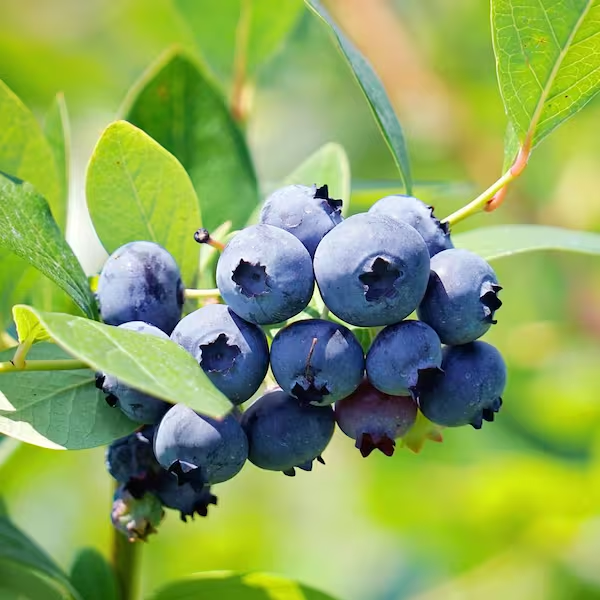
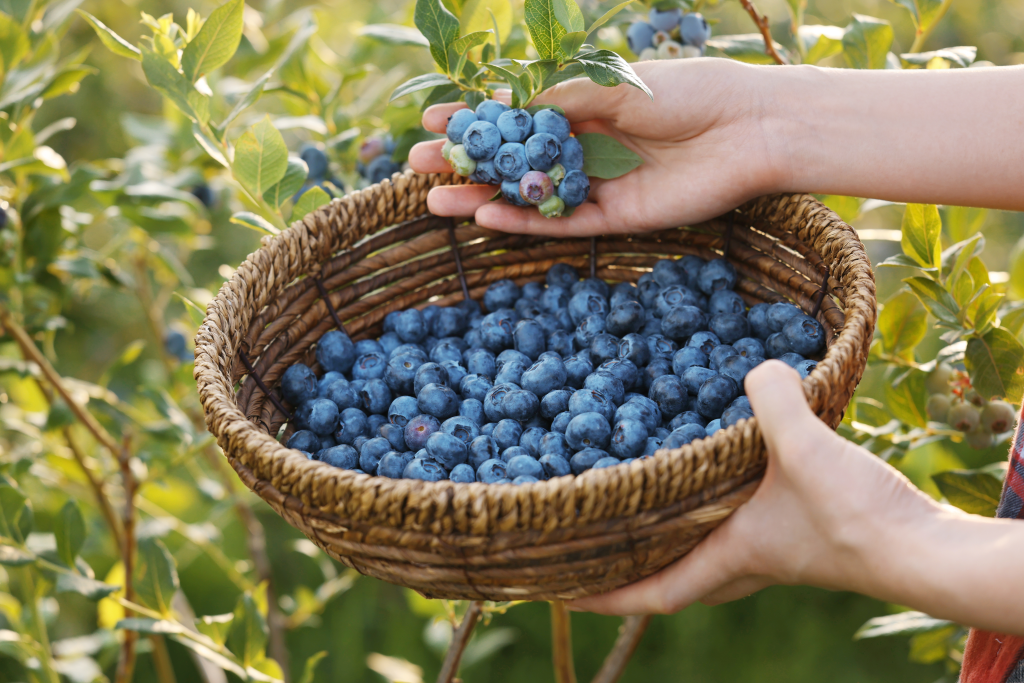
Blueberries are ready to harvest when they are fully blue and easily detach from the stem. Unlike some fruits, blueberries do not ripen much after picking, so make sure they’re completely ripe before harvesting.

Rabbiteye varieties typically ripen from late May through August, depending on the cultivar and climate. Harvest every few days during the peak season to gather fully ripe berries.

After harvesting, refrigerate them immediately. Fresh blueberries can last for up to two weeks, and you can freeze them for long-term storage without losing much flavor.


11. Common Pests and Problems

Rabbiteye blueberries are relatively pest-resistant, but a few issues can still occur:

  • Birds: Cover bushes with netting during fruiting season to protect your harvest.
  • Aphids and mites: Can cause leaf curling or yellowing; control with neem oil if necessary.
  • Fungal diseases: Root rot and leaf spot can be minimized by ensuring good air circulation and avoiding overwatering.

Keeping the area around the plants weed-free also helps reduce pest pressure and competition for nutrients.


12. Propagation

You can propagate Rabbiteye blueberries using softwood cuttings in late spring or hardwood cuttings in winter.

For softwood cuttings:

  1. Take 4–6 inch cuttings from new growth.
  2. Remove lower leaves and dip the cut end in rooting hormone.
  3. Place in a moist peat-perlite mixture and keep under partial shade until rooted.

Propagation by cuttings ensures that the new plants retain the same desirable traits as the parent variety.


13. Winter and Long-Term Care

Although Rabbiteye blueberries are heat-tolerant, they also require some chill hours in winter. In regions with mild winters, choose low-chill cultivars.

During winter, keep the plants mulched to protect the shallow roots from temperature fluctuations. Prune after harvest and before new buds form to maintain shape and promote new growth.

With proper care, Rabbiteye blueberries can live and produce fruit for 30 years or more.


14. Benefits of Growing Rabbiteye Blueberries

  • High yields: Mature plants can produce up to 10–15 pounds of berries annually.
  • Nutrient-rich fruit: Packed with antioxidants, vitamins C and K, and dietary fiber.
  • Ornamental appeal: Glossy green leaves, white-pink flowers, and colorful berries add beauty to any garden.
  • Adaptability: Excellent performance in hot, humid, and sandy soils common in southern climates.

Conclusion

Growing Rabbiteye blueberries is a deeply rewarding experience that combines beauty, productivity, and nutrition. With the right soil, sunlight, and care, you can enjoy baskets of sweet, homegrown blueberries year after year. Whether you plant them in your backyard or containers, these hardy southern favorites will thrive and bring fresh flavor to your table for decades.

If you’re new to fruit gardening or want to expand your edible landscape, Rabbiteye blueberries are a perfect choice—easy to maintain, resilient, and simply delicious.

How to Grow and Care for Lowbush Blueberries: A Complete Home Gardener’s Guide

How to Grow and Care for Lowbush Blueberries: A Complete Home Gardener’s Guide

Blueberries are among the most beloved fruits in the garden — sweet, nutritious, and beautiful to look at. While many gardeners are familiar with the highbush varieties, the lowbush blueberry (Vaccinium angustifolium) is a smaller but equally rewarding type that deserves a special spot in your home garden. These hardy, ground-hugging plants produce flavorful berries and stunning foliage, making them ideal for edible landscaping, pollinator gardens, and even ornamental borders.

In this comprehensive guide, we’ll explore everything you need to know about growing, caring for, and harvesting lowbush blueberries, from soil preparation and planting to pruning and winter care. Whether you’re a beginner or a seasoned grower, this article will help you enjoy bountiful blueberry harvests year after year.


What Are Lowbush Blueberries?

Lowbush blueberries are native to North America, particularly in the northern United States and Canada. They thrive in cold climates where other fruiting plants might struggle. Unlike their taller relatives, lowbush blueberries typically grow 6 to 24 inches tall and spread through underground rhizomes, forming dense mats over time.

These plants are often found in the wild in rocky, acidic soils and open meadows. Their berries are small — usually smaller than those of highbush varieties — but are incredibly sweet and packed with antioxidants. Because of their natural hardiness and attractive appearance, they make an excellent choice for home gardeners who want a low-maintenance fruiting ground cover.


Benefits of Growing Lowbush Blueberries

  1. Cold Hardiness – Lowbush blueberries can withstand freezing temperatures far better than most other fruit crops, making them perfect for USDA zones 2–6.
  2. Nutrient-Rich Fruit – Their small berries are bursting with antioxidants, vitamins C and K, and dietary fiber.
  3. Low Maintenance – Once established, they require minimal care beyond occasional pruning and mulching.
  4. Beautiful Foliage – The plants display lovely reddish-bronze leaves in fall, adding ornamental appeal to your landscape.
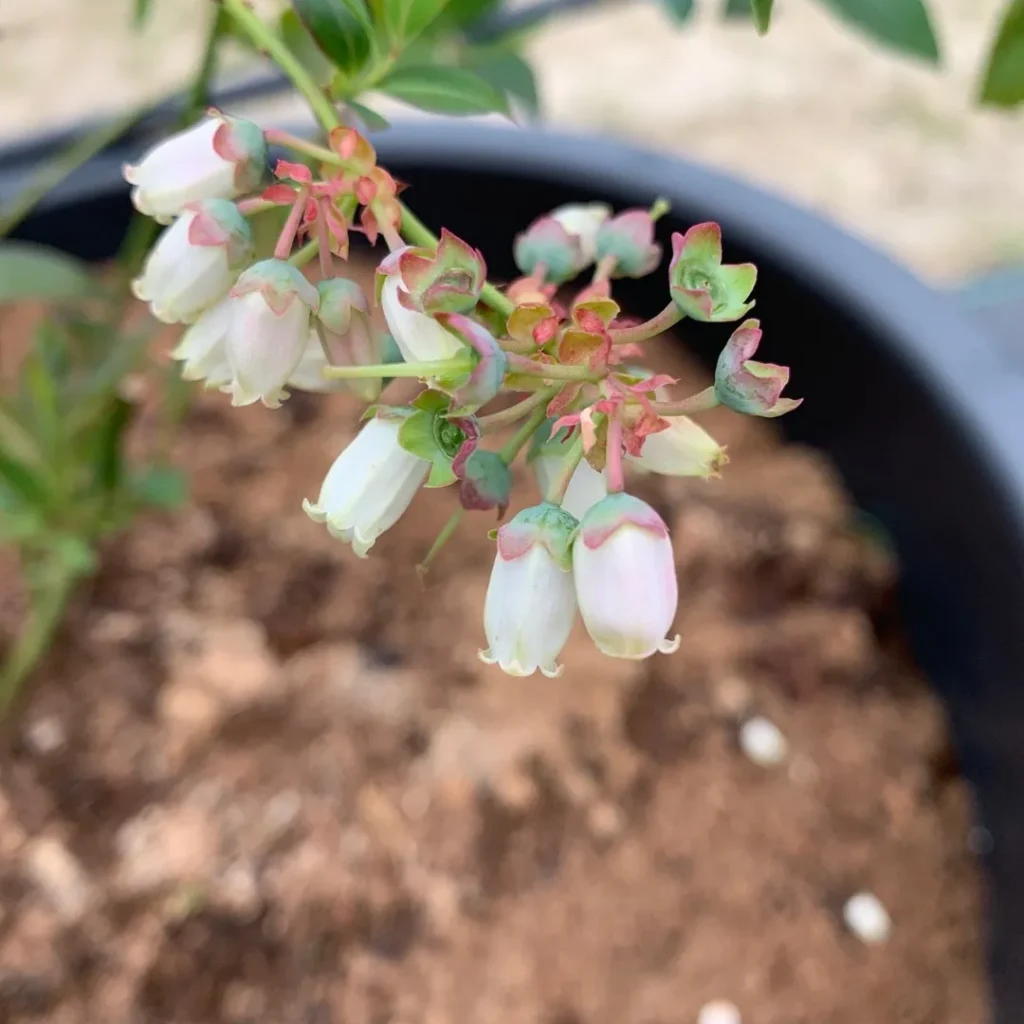
  5. Pollinator-Friendly – Their delicate white or pink bell-shaped flowers attract bees and butterflies in spring.
  6. Soil Erosion Control – Their spreading habit helps stabilize slopes and prevent erosion.

Choosing the Right Variety

While wild lowbush blueberries grow naturally across many regions, there are several cultivated varieties that perform exceptionally well in home gardens. Some popular options include:

  • ‘Brunswick’ – Known for its compact size and flavorful berries.
  • ‘Chignecto’ – A productive variety with medium-sized berries and good disease resistance.
  • ‘Top Hat’ – A hybrid dwarf variety ideal for containers or small gardens.
  • ‘Fundy’ – Excellent cold tolerance and consistent fruit production.

When selecting a variety, choose two or more types for better cross-pollination and increased yields.


Ideal Growing Conditions

Lowbush blueberries thrive best when you recreate their natural environment as closely as possible. Here’s what they need:

1. Soil

These plants require acidic soil with a pH between 4.0 and 5.2. You can amend your soil with peat moss, pine needles, or elemental sulfur to achieve the right acidity. The soil should be well-draining yet rich in organic matter, as blueberries dislike standing water.

2. Sunlight

Plant them in a full-sun location for maximum berry production. However, they can tolerate partial shade, especially in hotter climates.

3. Watering

Blueberries have shallow root systems, which makes consistent watering essential. Keep the soil evenly moist but not waterlogged. Mulching helps retain moisture and keeps the roots cool.

4. Mulching

Apply a 2–3 inch layer of mulch around the base using pine bark, sawdust, or shredded leaves. This maintains soil acidity, suppresses weeds, and improves soil structure.


How to Plant Lowbush Blueberries

Follow these steps for successful planting:

  1. Site Preparation:
    Choose a sunny site with good air circulation. Clear any weeds and test the soil pH before planting.
  2. Planting Time:
    The best time to plant lowbush blueberries is in early spring once the ground is workable or in fall, allowing roots to establish before winter.
  3. Planting Depth:
    Dig a hole twice as wide and as deep as the root ball. Set the plant slightly deeper than it was in the container, and backfill with a mix of native soil, peat moss, and compost.
  4. Spacing:
    Space plants 18–24 inches apart in rows about 2 feet apart. Over time, they’ll spread to form a dense mat.
  5. Water Thoroughly:
    After planting, water well and apply mulch to maintain soil moisture.

Caring for Lowbush Blueberries

Lowbush blueberries are hardy and low-maintenance once established, but they still need a few key care steps to thrive.

1. Fertilizing

Blueberries prefer light feeding. Use an acid-loving plant fertilizer (like one for azaleas or rhododendrons) in early spring. Avoid over-fertilizing, as too much nitrogen can harm roots.

2. Weed Control

Keep the area around the plants weed-free, as weeds compete for nutrients and water. Mulching is your best defense against unwanted growth.

3. Pruning

Every 2–3 years, prune back about half of the plant to rejuvenate growth. You can mow or shear old plants to about 2 inches above the ground after harvest or during dormancy. This encourages new shoots that will bear fruit the following year.

4. Pest and Disease Management

Lowbush blueberries are relatively pest-free, but watch out for:

  • Birds – Cover plants with netting as berries ripen.
  • Aphids or Blueberry Maggots – Use insecticidal soap or traps if infestations occur.
  • Fungal Diseases – Prevent by ensuring good air circulation and avoiding overhead watering.

Winter Care

One of the great advantages of lowbush blueberries is their exceptional cold tolerance. Still, a little winter care helps ensure their survival:

  • Apply an extra layer of mulch in late fall to insulate the roots.
  • If you grow them in pots, move containers to a sheltered location to prevent root freeze.
  • Avoid pruning or fertilizing late in the season, as this may trigger new growth that can be damaged by frost.

Harvesting Lowbush Blueberries

Lowbush blueberries typically begin to bear fruit 2–3 years after planting, with peak production around year four. The berries ripen in mid to late summer, turning deep blue when ready.

To harvest:

  • Gently roll ripe berries off the cluster using your fingers or a berry rake.
  • Handle with care, as the berries are delicate.
  • Store in the refrigerator for up to a week or freeze for long-term use.

Lowbush blueberries are excellent for fresh eating, jams, jellies, pies, muffins, and smoothies. Their concentrated sweetness and flavor make them perfect for baking and preserving.


Propagation Methods

You can easily expand your blueberry patch through:

  1. Rhizome Division:
    Lowbush blueberries spread via underground rhizomes. Dig up and separate clumps with roots attached in early spring or fall, then replant elsewhere.
  2. Cuttings:
    Take semi-hardwood cuttings in late summer, dip in rooting hormone, and plant in a sandy peat mixture until roots form.
  3. Seeds:
    Though slower, growing from seed is possible. Clean seeds from ripe berries, stratify them in the refrigerator for a few months, and sow in acidic soil in spring.

Common Problems and Solutions

ProblemLikely CauseSolution
Yellowing LeavesSoil too alkalineAdd sulfur or peat moss to lower pH
Poor Fruit SetLack of pollinationPlant multiple varieties, attract pollinators
Small or Sour BerriesInsufficient sunlight or nutrientsIncrease sunlight exposure, fertilize lightly
Plant DiebackWaterlogged soil or root rotImprove drainage, reduce watering frequency

Landscaping Uses for Lowbush Blueberries

Lowbush blueberries are not just for fruit production — they’re also excellent ornamental plants. You can:

  • Use them as ground cover on slopes or rocky areas.
  • Plant them along garden borders or pathways for a natural look.
  • Combine them with heathers, azaleas, and rhododendrons for a cohesive acid-loving garden.
  • Grow them in containers or raised beds for easy maintenance and harvesting.

Their spring flowers, summer berries, and fall foliage create year-round beauty in any landscape.


Final Thoughts

Growing lowbush blueberries is a rewarding experience that blends beauty, practicality, and taste. These hardy, low-maintenance plants provide delicious fruit, attract pollinators, and enhance your garden’s visual appeal. Whether you’re looking to create a productive berry patch or a stunning edible landscape, lowbush blueberries offer the perfect combination of charm and functionality.

With the right soil, proper care, and patience, you can enjoy decades of healthy, flavorful harvests from these native treasures — a true testament to the beauty of nature’s simplicity.

Growing the Tilton Apricot: A Complete Guide to Cultivating One of the Best All-Purpose Apricot Varieties

Growing the Tilton Apricot: A Complete Guide to Cultivating One of the Best All-Purpose Apricot Varieties

When it comes to growing apricots at home, few varieties capture the heart of gardeners quite like the Tilton apricot. Renowned for its rich flavor, high productivity, and exceptional versatility, this heirloom variety has long been considered one of the best all-around apricots for home orchards. Whether you’re looking to enjoy fresh fruit off the tree, make golden preserves, or dry sweet slices for winter snacks, the Tilton apricot delivers on every front.

In this comprehensive guide, we’ll explore the origins, characteristics, growing requirements, and care tips for the Tilton apricot tree. By the end, you’ll know exactly how to grow and harvest this classic fruit successfully in your own backyard.


The Story Behind the Tilton Apricot

The Tilton apricot (Prunus armeniaca ‘Tilton’) is a historic variety that originated in California in the late 1800s. It quickly became a favorite among both commercial growers and home gardeners due to its reliability, rich flavor, and adaptability.

Tilton apricots are known for their distinctive heart-shaped fruit, deep golden-orange color, and slightly tart yet sweet taste. They have long been a top choice for canning and drying, thanks to their firm flesh and excellent sugar-to-acid balance.

Even today, Tilton remains one of the most widely recognized apricot varieties, standing the test of time in both flavor and performance.


Characteristics of Tilton Apricot Fruit

If you’re new to apricot growing, the Tilton is one of the best varieties to start with. Here’s what makes it stand out:

  • Shape and Size: Medium to large, heart-shaped fruit with a small pit that separates easily.
  • Color: Deep orange skin with a slight red blush on the sun side.
  • Flavor: A perfect blend of sweet and tangy, offering a robust apricot flavor that intensifies when cooked or dried.
  • Texture: Firm yet juicy flesh, making it ideal for both fresh eating and processing.
  • Harvest Time: Mid to late season, usually around July, depending on your region.
  • Storage: Keeps well for several days at room temperature and up to a week in the refrigerator.

Its versatility is unmatched — Tilton apricots are equally delicious fresh, dried, canned, or baked into pastries. The fruit holds its shape beautifully during cooking, making it a favorite for jams, tarts, and compotes.


Why Choose Tilton Apricot for Your Home Garden?

There are plenty of apricot varieties out there, but Tilton continues to be a top pick for home orchards — and for good reason.

  1. Self-Fertile: You only need one tree to get fruit, although having another apricot variety nearby can boost yields.
  2. Reliable Producer: Tilton trees are known for consistent, heavy crops year after year.
  3. Cold-Hardy and Adaptable: Performs well in a wide range of climates, especially in areas with cool winters and warm summers.
  4. Disease Resistance: Offers good resistance to common apricot diseases like brown rot and bacterial canker.
  5. Superior Flavor: Few varieties match Tilton’s rich, aromatic taste and versatility in the kitchen.

Ideal Growing Conditions for Tilton Apricot Trees

Tilton apricots thrive in temperate to Mediterranean climates, where winters are cool enough to meet their chilling requirements and summers are warm and dry.

Climate:

  • Best suited for USDA zones 5–9.
  • Requires about 700–800 chill hours (below 45°F / 7°C) to ensure good fruit set.
  • Prefers low humidity areas to minimize disease pressure.
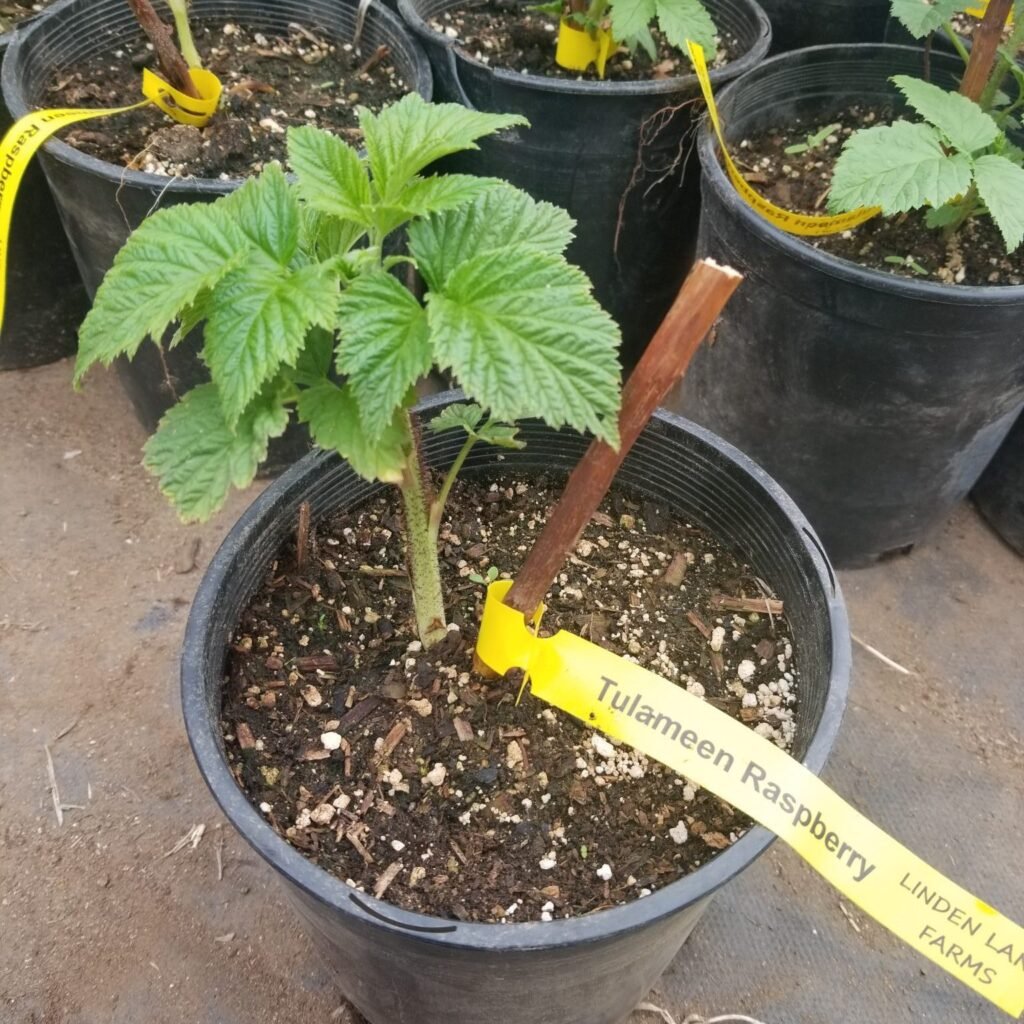
Sunlight:
Full sun is essential. Choose a location that receives at least 6–8 hours of direct sunlight daily for optimal growth and fruit production.

Soil:

  • Well-draining loam or sandy loam is ideal.
  • Soil pH between 6.0 and 7.5 is best.
  • Avoid heavy clay soils that retain too much moisture, as apricot roots are prone to rot.

Spacing:
Plant Tilton apricot trees about 15–20 feet apart to allow ample airflow and light penetration.


How to Plant a Tilton Apricot Tree

Planting your Tilton apricot properly gives it the strong foundation it needs to thrive for decades.

  1. Choose a Healthy Sapling: Select a one- or two-year-old bare-root or container-grown tree from a reputable nursery.
  2. Planting Time:
    • In mild climates, plant in late fall or early winter.
    • In colder regions, wait until early spring once the soil is workable.
  3. Prepare the Site: Dig a hole twice as wide as the root ball and just as deep.
  4. Planting Steps:
    • Loosen the roots before placing the tree in the hole.
    • Position the graft union (the swollen area on the trunk) about 2 inches above the soil line.
    • Backfill with native soil mixed with compost.
    • Water deeply to settle the soil.
    • Mulch around the base to retain moisture and suppress weeds.

Keep the mulch a few inches away from the trunk to prevent rot and pest problems.


Watering and Feeding Your Apricot Tree

Tilton apricots prefer deep, infrequent watering that encourages strong root development.

  • Water once a week during dry periods, soaking the soil 12–18 inches deep.
  • Reduce watering once the tree is established, especially before harvest, to prevent fruit splitting.

Fertilization:

  • In early spring, feed your tree with a balanced fertilizer (10-10-10) or an organic compost mix.
  • Avoid excessive nitrogen — it can lead to vigorous leaf growth at the expense of fruit production.
  • Apply a second, lighter feeding after fruit set to support development.

Pruning for Health and Productivity

Regular pruning is key to maintaining a healthy, productive Tilton apricot tree. Pruning improves sunlight penetration, airflow, and fruit size.

When to Prune:

  • Late winter (dormant season): For structure and shape.
  • Mid-summer: To remove water sprouts and improve airflow.

How to Prune:

  • Shape the tree into an open center (vase) form with 3–5 main branches.
  • Remove crossing, weak, or inward-growing branches.
  • Thin fruiting wood every few years to encourage new growth.

Pruning also helps reduce disease risk by preventing overly dense canopies that trap moisture.
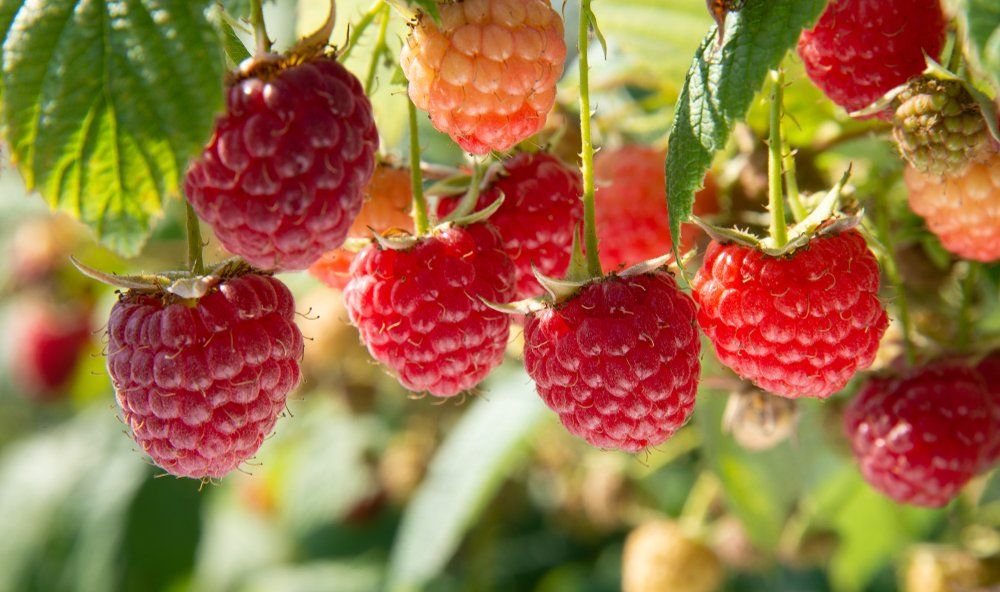

Common Pests and Diseases

While Tilton apricots are relatively hardy, it’s still important to monitor for pests and diseases.

Common Issues:

  • Aphids: Control with insecticidal soap or neem oil.
  • Brown rot: Avoid overhead watering and prune out infected areas.
  • Peach twig borer: Apply dormant oil spray in late winter.
  • Bird damage: Use fruit netting or reflective deterrents during ripening.

Maintaining good orchard hygiene — such as cleaning up fallen fruit and pruning dead wood — goes a long way in preventing problems.


Pollination and Fruit Production

Tilton apricots are self-pollinating, so you’ll get fruit from a single tree. However, planting another apricot variety nearby (such as Moorpark or Blenheim) can improve pollination and increase yields.

Blossoms appear early in spring, which makes them susceptible to late frosts. Protect blooms with frost cloth or a temporary cover if cold weather threatens.


Harvesting and Using Tilton Apricots

Tilton apricots typically ripen mid to late summer, depending on your region. You’ll know they’re ready when:

  • The skin turns a deep orange-yellow.
  • The fruit gives slightly to gentle pressure.
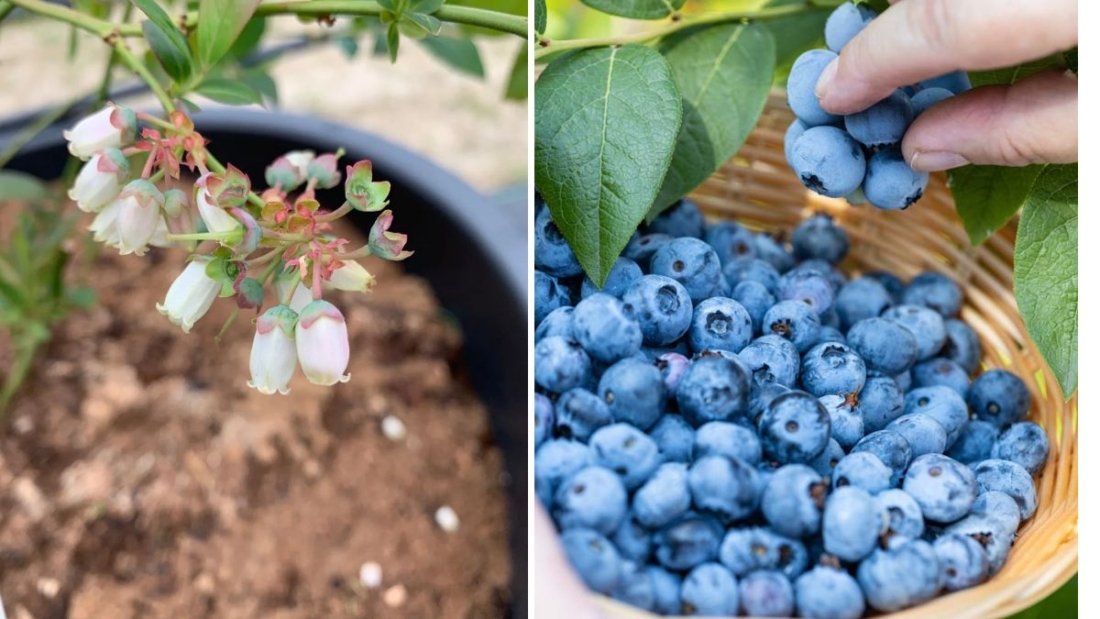
  • The aroma is sweet and fragrant.

To harvest, gently twist or lift the apricot from the branch — it should come off easily when ripe.
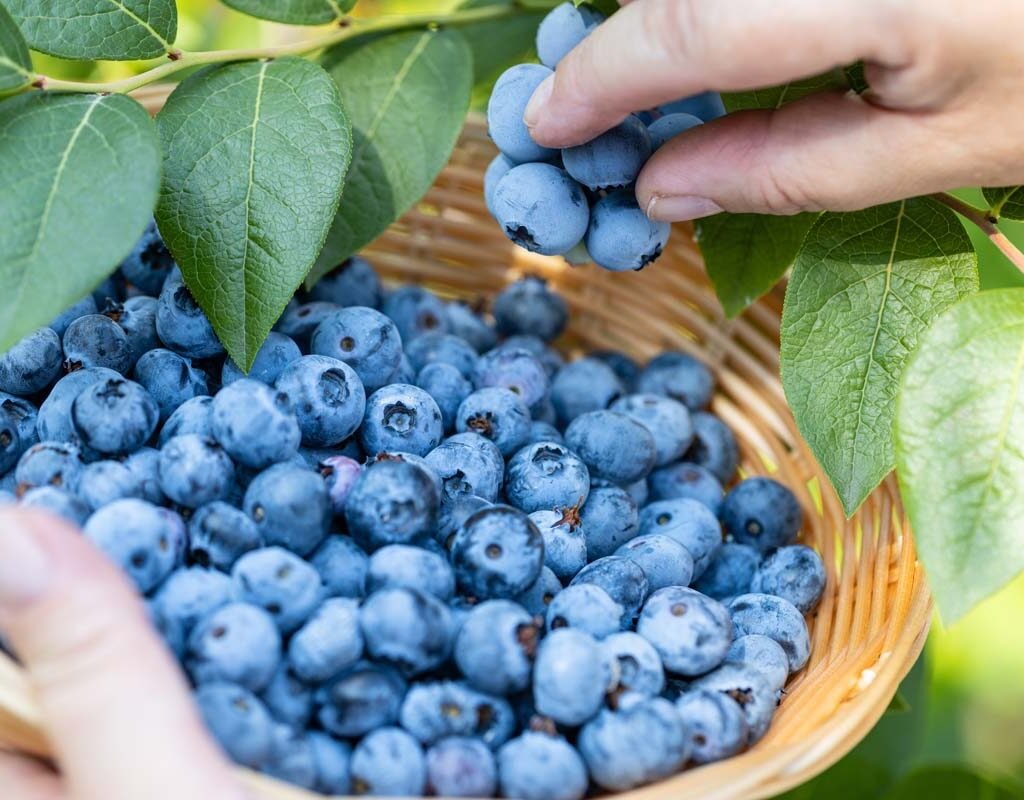
Storage:

  • Store at room temperature for a few days or refrigerate for up to a week.
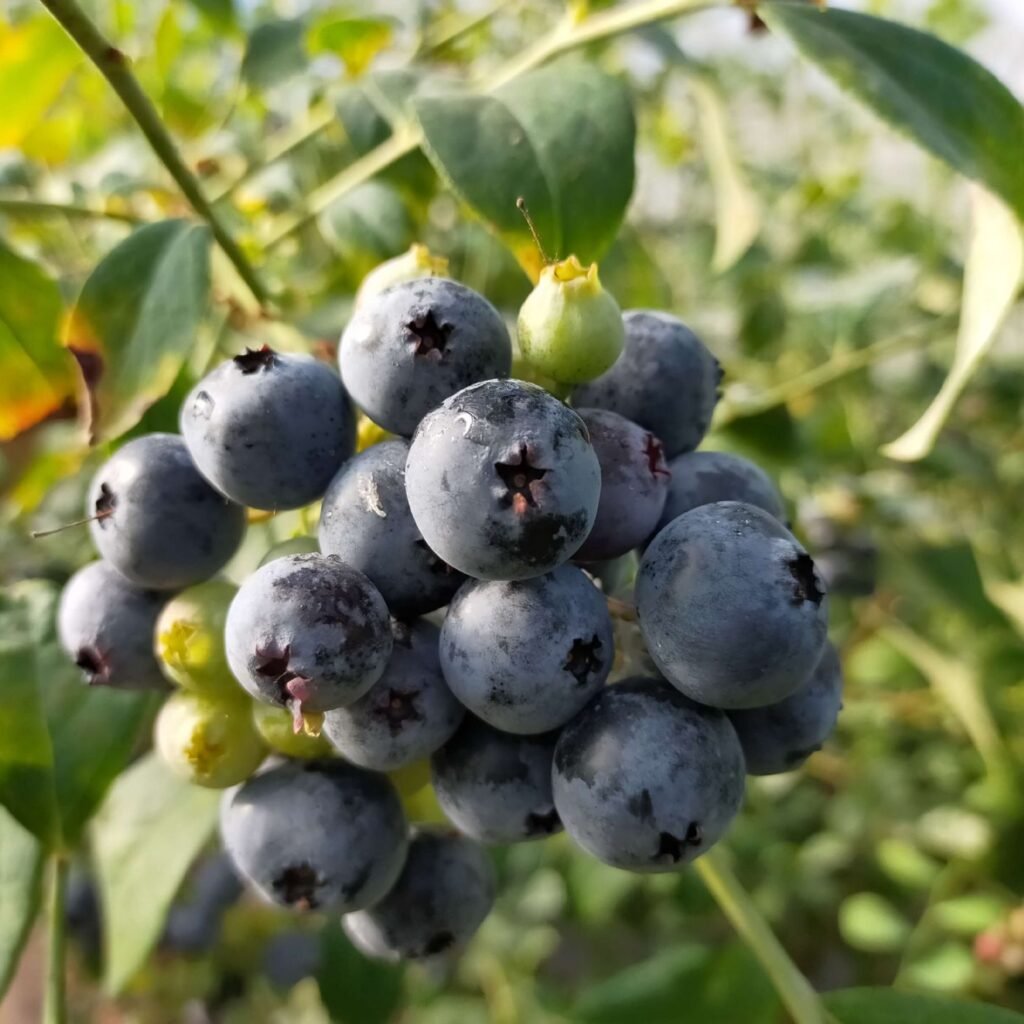
  • For long-term use, dry slices in a dehydrator or make jams and preserves.

Best Uses:

  • Fresh eating straight off the tree.
  • Baking into pies, cobblers, and tarts.
  • Making rich, golden apricot jam.
  • Canning or drying for winter snacks.

Tilton’s firm flesh and balanced acidity make it one of the best apricots for preserving — the flavor intensifies beautifully when cooked.


Tips for Success in Growing Tilton Apricots

  • Protect early blossoms from frost using covers or cloths.
  • Mulch annually to maintain soil moisture.
  • Practice crop thinning (remove excess young fruit) for larger, sweeter apricots.
  • Watch for signs of water stress — wilting leaves or early fruit drop mean it’s time to adjust watering.

With a little attention, your Tilton apricot tree will reward you with abundant harvests for decades.


Final Thoughts

The Tilton apricot isn’t just another fruit tree — it’s a piece of horticultural history, beloved by generations of gardeners for its flavor, reliability, and beauty. With its heart-shaped fruit, vibrant color, and unbeatable taste, it’s the perfect choice for anyone who loves growing their own food.

Whether you’re tending a large orchard or planting a single tree in your backyard, Tilton brings timeless charm and incredible harvests to your garden. With patience, care, and the right growing conditions, you’ll soon enjoy baskets of golden-orange fruit — bursting with sweetness and sunshine.

The Tilton apricot is more than a fruit; it’s a homegrown delight that celebrates the simple joy of cultivating nature’s golden bounty right in your own garden.