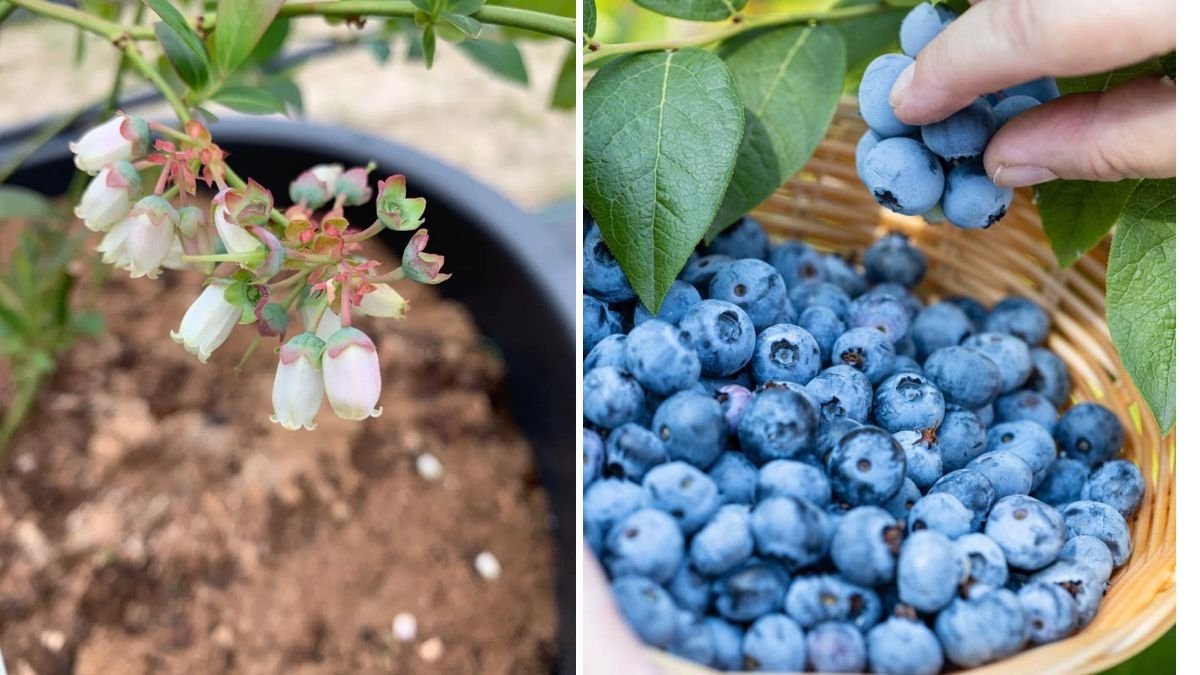
Blueberries are one of the most rewarding fruits to grow in your home garden. Among the different varieties, the Rabbiteye Blueberry (Vaccinium virgatum or Vaccinium ashei) stands out for its vigor, adaptability, and sweet, flavorful berries. Native to the southeastern United States, Rabbiteye blueberries are well-suited for warmer climates and are more tolerant of heat and drought than other types such as highbush blueberries.
In this detailed guide, you’ll learn everything you need to know about growing Rabbiteye blueberries successfully—from choosing the right variety and preparing the soil to planting, watering, pruning, and harvesting.
1. Understanding Rabbiteye Blueberries
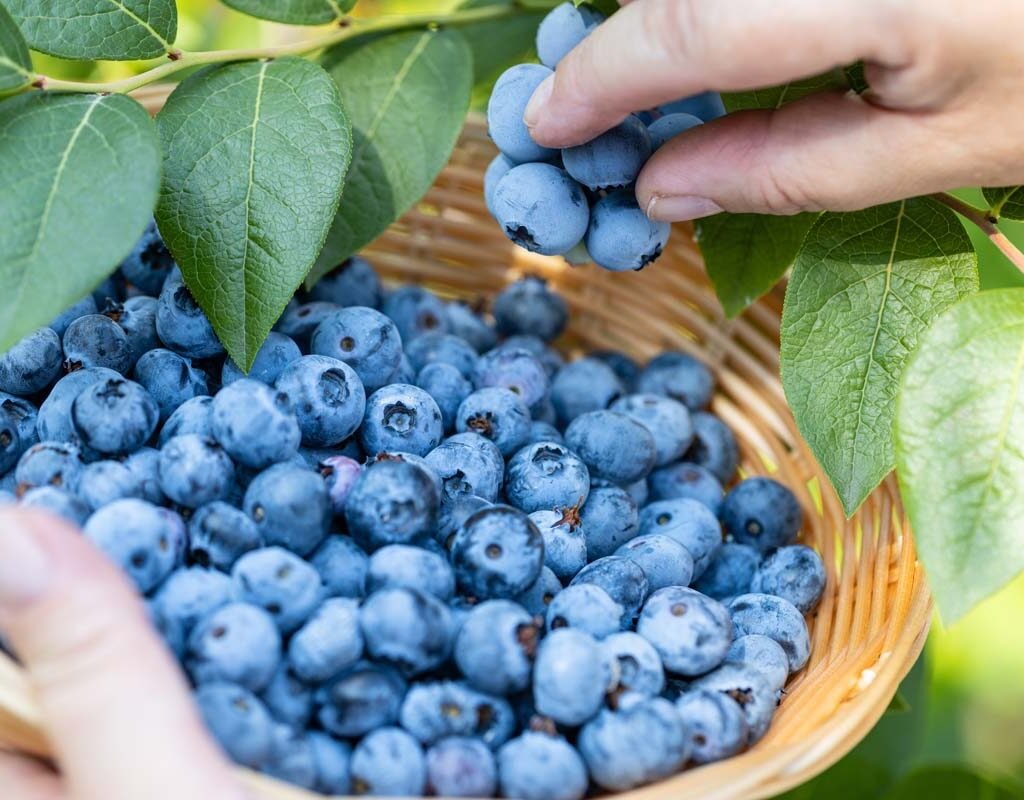
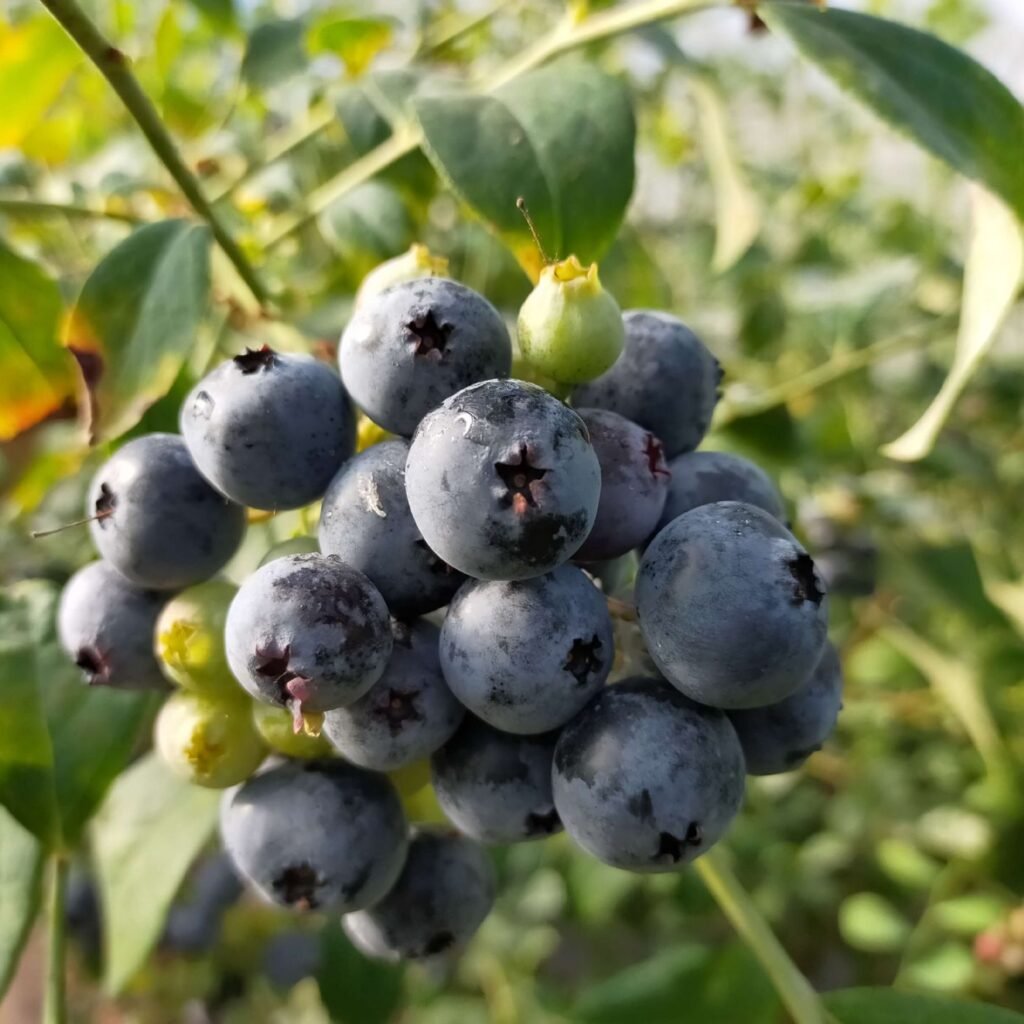
Rabbiteye blueberries get their name from the pinkish hue of the unripe fruit, which resembles the color of a rabbit’s eye. These plants are hardy, productive, and capable of producing large yields once established. Unlike northern highbush blueberries that thrive in cooler regions, Rabbiteye varieties are ideal for southern gardens where summers are hot and winters are mild.
They can grow up to 10 feet tall and are long-lived, often producing fruit for decades if properly cared for. Another advantage is their resistance to many diseases and pests that typically affect other blueberry varieties.
2. Best Rabbiteye Blueberry Varieties to Grow
When choosing Rabbiteye blueberries, selecting the right cultivars ensures better pollination and larger harvests. These plants are not self-fertile, meaning they need another Rabbiteye variety nearby for cross-pollination. Here are some excellent options:
- ‘Climax’ – Early-season variety known for its large, flavorful berries.
- ‘Brightwell’ – Productive and vigorous, with medium-sized sweet berries that ripen mid-season.
- ‘Tifblue’ – One of the most popular cultivars, prized for its excellent flavor and productivity.
- ‘Powderblue’ – Late-season variety with firm berries that resist cracking.
- ‘Premier’ – Produces large, early-season berries with a mild, sweet taste.
For optimal pollination, plant at least two different varieties with overlapping bloom times.
3. Ideal Climate and Growing Conditions
Rabbiteye blueberries thrive in USDA zones 7 through 9, though they can tolerate slightly cooler or warmer conditions depending on the variety. They require about 400–600 chill hours—a period of winter temperatures between 32°F and 45°F—to produce abundant fruit.

These plants prefer full sun for at least six hours per day and well-drained, acidic soil with a pH between 4.5 and 5.5. If your garden soil is not naturally acidic, you can amend it with sulfur or pine needle mulch to create suitable conditions.
4. Preparing the Soil
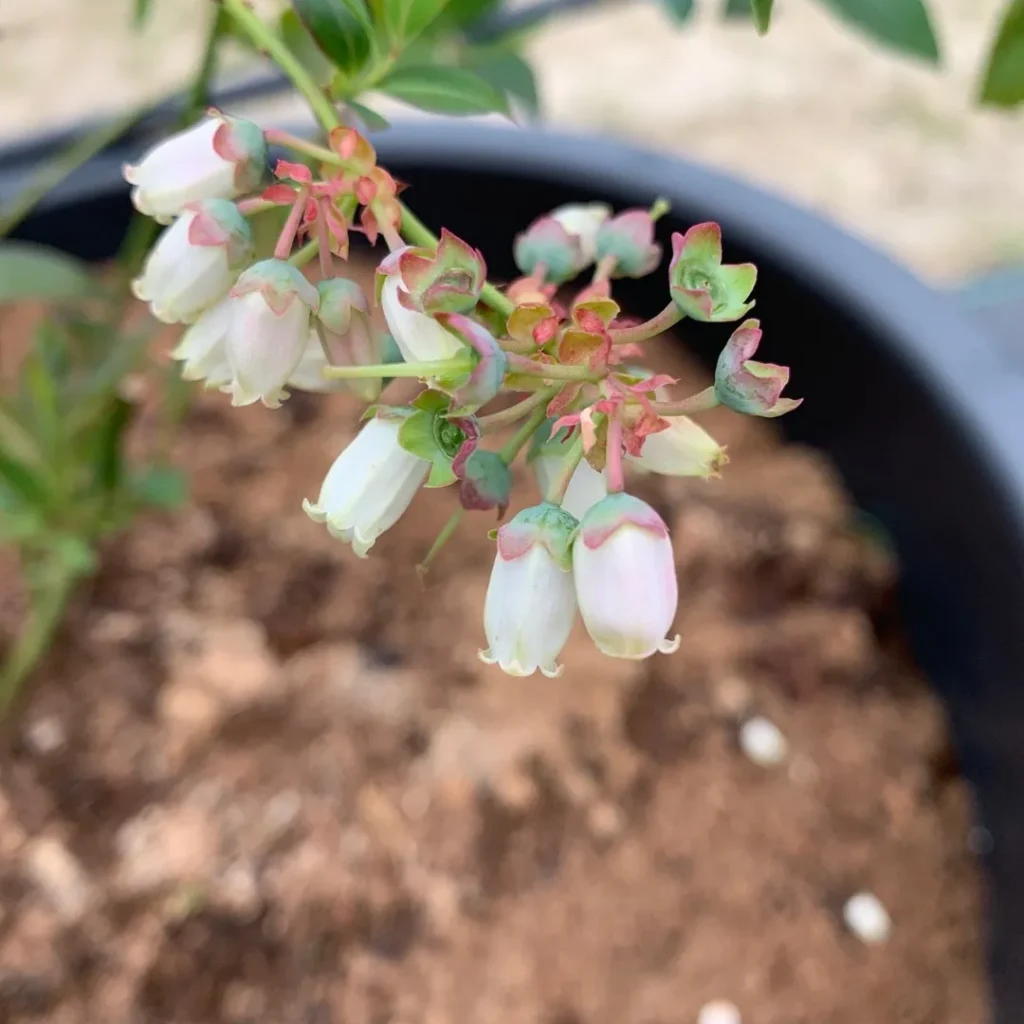
The foundation for healthy blueberry plants begins with proper soil preparation. Blueberries have shallow root systems and prefer soils rich in organic matter. Here’s how to prepare the perfect soil bed:
- Test the pH: Use a soil test kit to check the acidity. If the pH is too high, mix in elemental sulfur several months before planting.
- Improve drainage: Rabbiteye blueberries do not tolerate soggy soil. If your soil is clay-heavy, create raised beds or plant in large containers.
- Add organic matter: Incorporate peat moss, composted pine bark, or leaf mold to enhance soil structure and retain moisture.
5. Planting Rabbiteye Blueberries
Timing: The best time to plant Rabbiteye blueberries is in late winter or early spring, after the risk of frost has passed but before hot weather sets in.
Spacing: Since Rabbiteye bushes can grow quite large, space them about 5 to 6 feet apart in rows that are 10 to 12 feet apart.
Planting Steps:
- Dig a hole twice the width of the root ball and just as deep.
- Gently loosen the roots and place the plant in the hole.
- Fill the hole with a mixture of native soil and acidic organic material.
- Water thoroughly and apply a 2–3 inch layer of pine mulch around the base.
Avoid using fertilizers at the time of planting, as the young roots are sensitive to salts.
6. Watering and Mulching
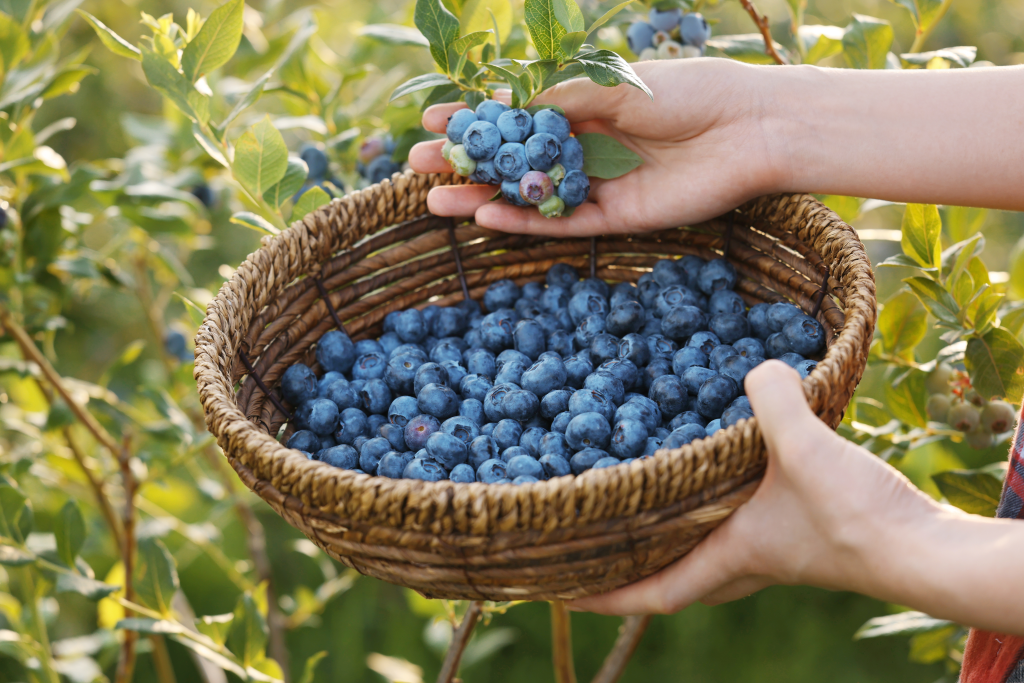
Rabbiteye blueberries have shallow roots and require consistent moisture, especially during the growing and fruiting seasons. Water deeply once or twice a week, ensuring the soil remains moist but not waterlogged.
Mulching helps maintain soil acidity and conserve moisture. Organic mulches such as pine needles, pine bark, or wood chips are excellent choices. Replenish mulch annually to keep the layer around 3 inches thick.
7. Fertilizing for Healthy Growth
Once your plants are established, feed them in early spring using a slow-release, acid-forming fertilizer like those made for azaleas or camellias. Avoid high-nitrogen fertilizers, which can promote excessive vegetative growth at the expense of fruit production.
A typical schedule includes:
- First feeding: Early spring, just as new growth starts.
- Second feeding: After fruit set, to support berry development.
Always water after applying fertilizer to prevent root burn.
8. Pruning and Training
Pruning is essential for maintaining productivity and encouraging new growth. Begin pruning your Rabbiteye blueberries after the first two years of establishment.
Steps for effective pruning:
- In late winter, remove dead, diseased, or weak branches.
- Thin out older canes to allow more sunlight and airflow.
- Retain a mix of canes of different ages, ideally 1 to 3 years old.
After about five years, remove one or two of the oldest canes annually to rejuvenate the plant. This process keeps your bush vigorous and maximizes fruiting potential.

9. Pollination and Fruit Set
Rabbiteye blueberries are cross-pollinated by bees, which means having multiple varieties planted together will significantly increase your yields. Encourage bee activity by avoiding pesticides during bloom and planting pollinator-friendly flowers nearby.
Once pollinated, berries will take about two to three months to mature, turning from green to pink, then to deep blue.
10. Harvesting Rabbiteye Blueberries
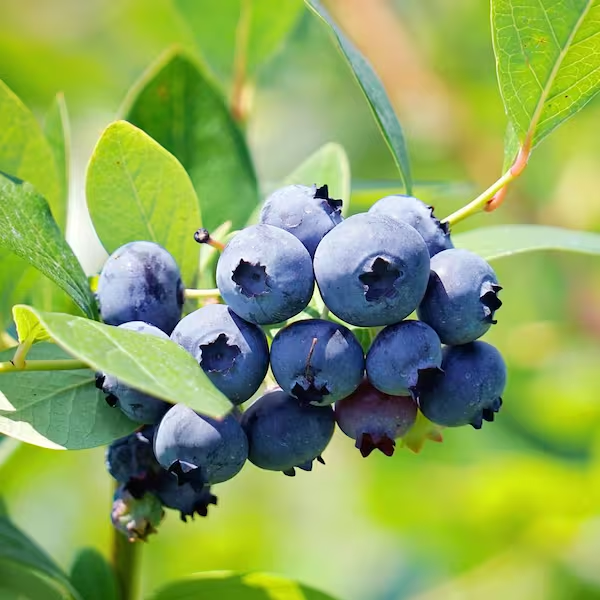
Blueberries are ready to harvest when they are fully blue and easily detach from the stem. Unlike some fruits, blueberries do not ripen much after picking, so make sure they’re completely ripe before harvesting.
Rabbiteye varieties typically ripen from late May through August, depending on the cultivar and climate. Harvest every few days during the peak season to gather fully ripe berries.
After harvesting, refrigerate them immediately. Fresh blueberries can last for up to two weeks, and you can freeze them for long-term storage without losing much flavor.
11. Common Pests and Problems
Rabbiteye blueberries are relatively pest-resistant, but a few issues can still occur:
- Birds: Cover bushes with netting during fruiting season to protect your harvest.
- Aphids and mites: Can cause leaf curling or yellowing; control with neem oil if necessary.
- Fungal diseases: Root rot and leaf spot can be minimized by ensuring good air circulation and avoiding overwatering.
Keeping the area around the plants weed-free also helps reduce pest pressure and competition for nutrients.

12. Propagation
You can propagate Rabbiteye blueberries using softwood cuttings in late spring or hardwood cuttings in winter.
For softwood cuttings:
- Take 4–6 inch cuttings from new growth.
- Remove lower leaves and dip the cut end in rooting hormone.
- Place in a moist peat-perlite mixture and keep under partial shade until rooted.
Propagation by cuttings ensures that the new plants retain the same desirable traits as the parent variety.
13. Winter and Long-Term Care
Although Rabbiteye blueberries are heat-tolerant, they also require some chill hours in winter. In regions with mild winters, choose low-chill cultivars.
During winter, keep the plants mulched to protect the shallow roots from temperature fluctuations. Prune after harvest and before new buds form to maintain shape and promote new growth.
With proper care, Rabbiteye blueberries can live and produce fruit for 30 years or more.
14. Benefits of Growing Rabbiteye Blueberries
- High yields: Mature plants can produce up to 10–15 pounds of berries annually.
- Nutrient-rich fruit: Packed with antioxidants, vitamins C and K, and dietary fiber.
- Ornamental appeal: Glossy green leaves, white-pink flowers, and colorful berries add beauty to any garden.
- Adaptability: Excellent performance in hot, humid, and sandy soils common in southern climates.
Conclusion
Growing Rabbiteye blueberries is a deeply rewarding experience that combines beauty, productivity, and nutrition. With the right soil, sunlight, and care, you can enjoy baskets of sweet, homegrown blueberries year after year. Whether you plant them in your backyard or containers, these hardy southern favorites will thrive and bring fresh flavor to your table for decades.

If you’re new to fruit gardening or want to expand your edible landscape, Rabbiteye blueberries are a perfect choice—easy to maintain, resilient, and simply delicious.

Leave A Comment