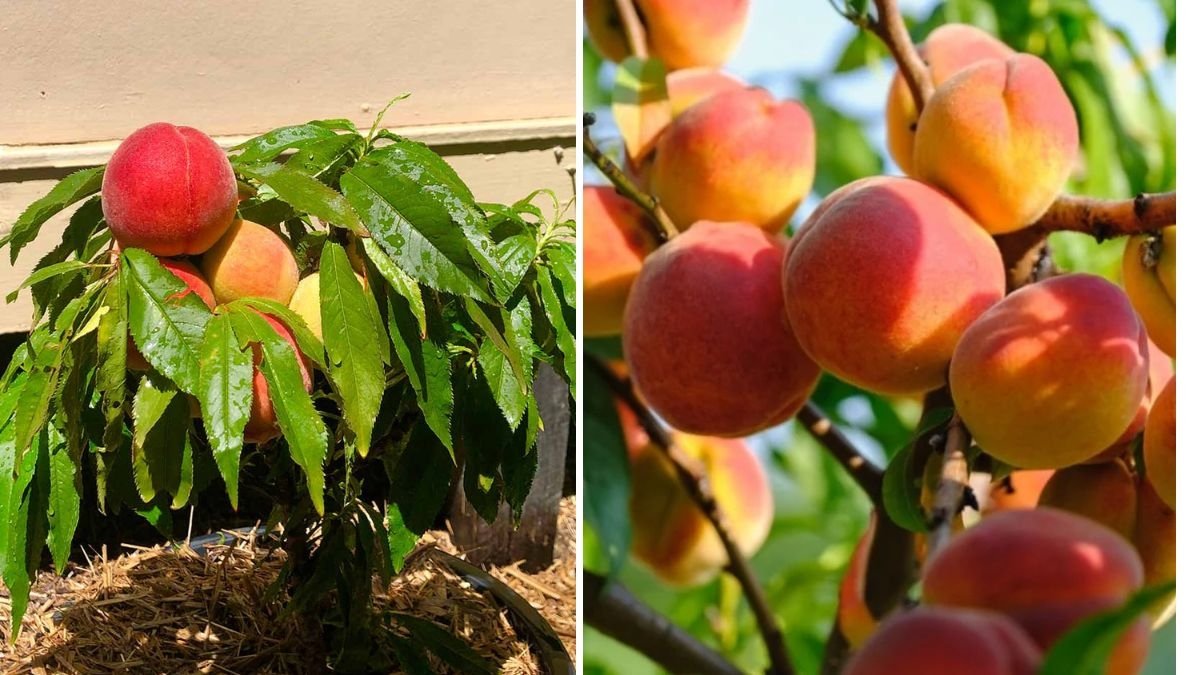
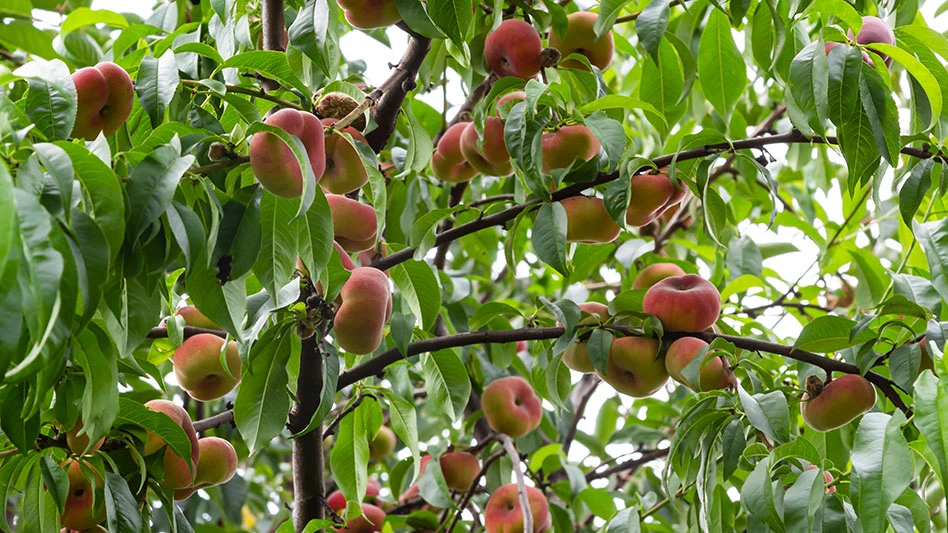
There’s something deeply satisfying about spending a day in the garden — hands in the soil, sun on your back, and the promise of fresh fruit and vibrant greenery ahead. One of the most exciting additions any gardener can make is a donut peach tree, also known as the Saturn peach. With its uniquely flat shape, candy-like sweetness, and aromatic flavor, this charming fruit tree is as delightful to grow as it is to eat.
In this blog post, we’ll walk through the full process of planting a donut peach tree and combining it with productive yard work to transform your outdoor space. From choosing the right spot and preparing the soil to post-planting care and seasonal maintenance, we’ll cover everything you need to create a thriving backyard oasis.
What Makes the Donut Peach So Special?
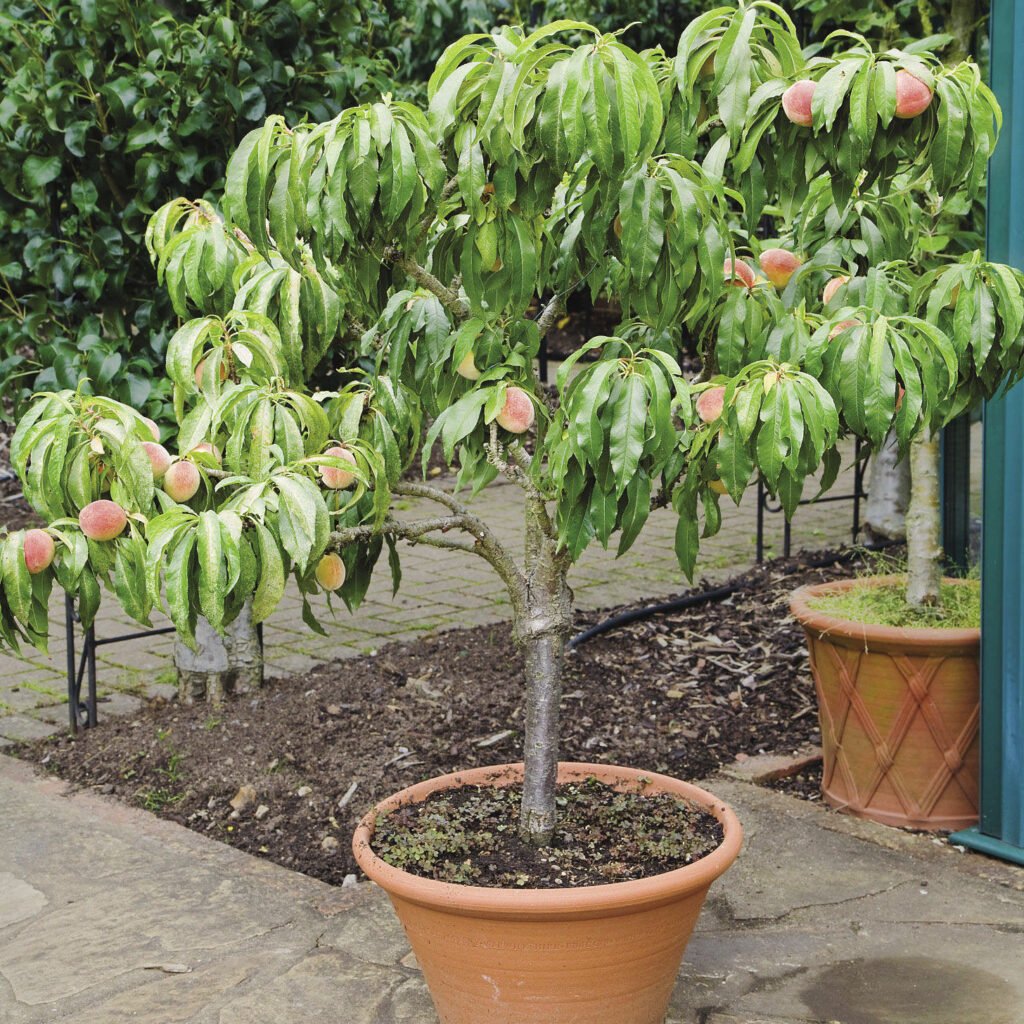
Before digging in, it’s worth taking a moment to appreciate the donut peach — one of nature’s quirkiest and tastiest fruits. Originating in China and often referred to as “Pan Tao,” the donut peach is named for its flattened shape, resembling a little ring or doughnut.
But its novelty doesn’t stop at looks. Donut peaches have:
- White, juicy flesh with an incredibly sweet, floral flavor.
- Low acidity, making them milder than traditional yellow peaches.
- A small, easy-to-remove pit, perfect for snacking.
They’re fantastic for eating fresh, tossing in salads, or baking into desserts. And unlike many delicate fruits, donut peaches can grow successfully in a wide range of climates with the right care.
Step 1: Choosing the Perfect Spot for Your Donut Peach Tree
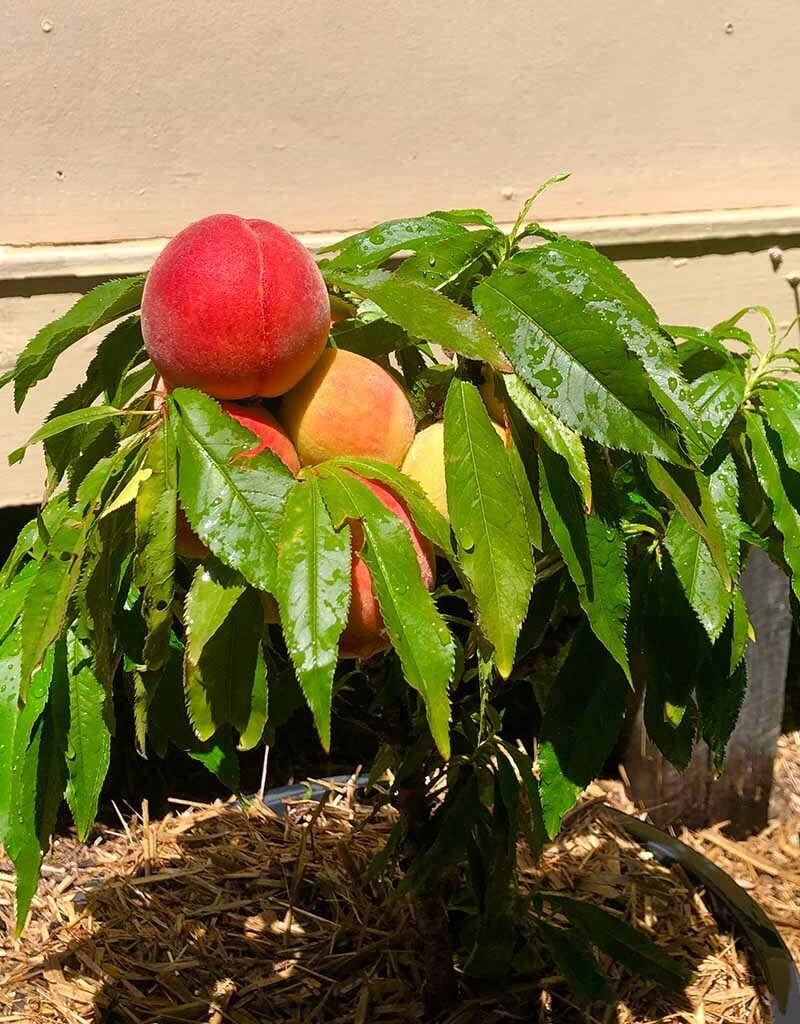
Peach trees thrive in full sunlight, so your first step is finding a location that receives at least 6–8 hours of direct sunlight daily. Adequate sun exposure ensures sweeter fruit and healthier growth.
You’ll also want to consider:

- Soil drainage: Donut peach trees dislike standing water. Choose a well-draining spot or amend the soil with sand and compost.
- Air circulation: Good airflow prevents fungal diseases like leaf curl and brown rot.
- Space: Give the tree about 12–15 feet of space from other trees or structures for proper root expansion and canopy growth.
If you live in a cooler region, a slightly sloped area facing south is ideal for capturing warmth and protecting the tree from frost pockets.
Step 2: Preparing the Soil and Digging the Hole
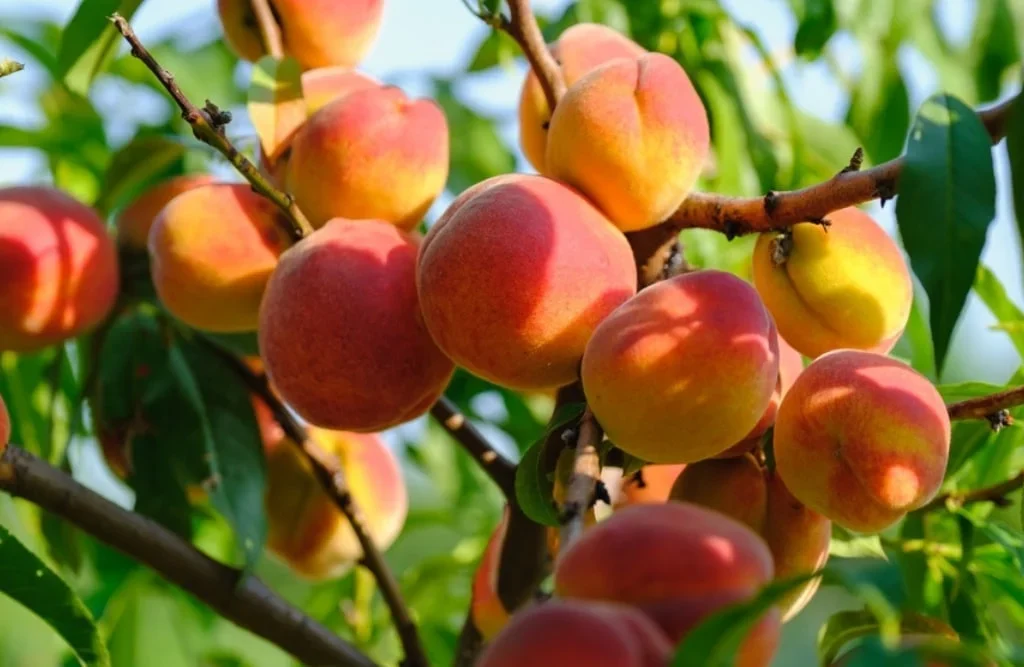
Once the spot is chosen, it’s time to prepare the soil — the foundation for healthy growth.
1. Test the soil pH:
Peach trees prefer slightly acidic soil, around pH 6.0–7.0. If your soil is too alkaline, mix in composted leaves, peat moss, or organic matter to adjust it.
2. Dig the planting hole:
- Make it twice as wide as the root ball but no deeper.
- Loosen the bottom of the hole to encourage root spread.
- If the soil is heavy clay, mix in some compost and coarse sand for better drainage.
3. Add organic matter:
Blend the removed soil with compost or well-rotted manure. This will boost nutrients and improve soil structure.
Step 3: Planting the Donut Peach Tree
Now comes the exciting part — planting the tree.
Step-by-step process:

- Position the tree in the center of the hole. Make sure the graft union (the bulge near the base of the trunk) sits 2–3 inches above ground level.
- Backfill with your amended soil, gently firming it around the roots to eliminate air pockets.
- Water deeply, letting the soil settle naturally.
- Mulch around the base with organic material like straw, bark, or compost, leaving a few inches of space from the trunk to prevent rot.
Mulching helps retain soil moisture and suppress weeds — especially important in the early growth phase.
Step 4: Watering and Feeding Routine
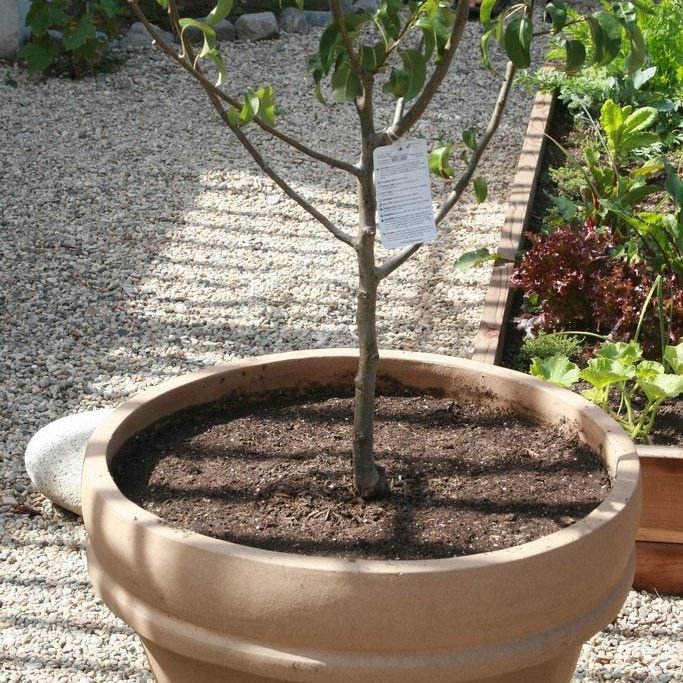
A young donut peach tree needs consistent moisture, but not waterlogging.
Watering Tips:
- In the first few weeks after planting, water 2–3 times per week.
- Once established, switch to deep watering once a week, especially in dry seasons.
- Always water at the base to avoid wetting the foliage, which can promote disease.
Feeding Schedule:
In early spring, apply a balanced fertilizer (like 10-10-10 NPK) or organic compost around the drip line. Avoid fertilizing too late in the growing season, as this can trigger tender new growth that’s vulnerable to frost.
Step 5: Pruning and Training Your Tree
Donut peach trees benefit from annual pruning to maintain shape and promote fruiting.
Best time to prune: Late winter or early spring, while the tree is dormant.
How to prune:

- Remove any dead, damaged, or crossing branches.
- Open up the canopy for sunlight penetration by cutting inward-facing shoots.
- Maintain a vase shape, which allows good air circulation and easier harvesting.
During the first few years, focus on establishing a strong framework. Once fruiting begins, thin excess fruit in spring to prevent branch breakage and encourage larger, juicier peaches.
Step 6: Pest and Disease Management
Healthy trees are naturally more resistant, but even the best gardens can face a few challenges.
Common pests:
- Aphids: They cluster on new growth; treat with neem oil or insecticidal soap.
- Peach tree borers: These pests attack the trunk base; use trunk guards or beneficial nematodes.
- Japanese beetles: Handpick them or use traps during peak season.
Common diseases:
- Peach leaf curl: Causes distorted, red leaves; apply a dormant-season copper spray.
- Brown rot: A fungal infection that affects blossoms and fruit; prune infected branches and ensure good airflow.
Regular inspections and maintaining cleanliness — like removing fallen leaves and fruit — go a long way in keeping your tree healthy.
Step 7: Other Yard Work — Enhancing Your Garden Space
While planting your donut peach tree, it’s the perfect time to tackle other yard work. A well-maintained garden not only boosts curb appeal but also creates a peaceful, productive environment.
Some great complementary yard tasks include:

- Weeding and mulching flower beds: Keeps your garden tidy and nourished.
- Trimming overgrown shrubs and hedges: Improves sunlight and air circulation.
- Aerating your lawn: Allows water and nutrients to reach grassroots.
- Composting organic waste: Turns garden debris into valuable fertilizer.
- Planting pollinator flowers: Attracts bees that help your peach blossoms thrive.
A little effort in tidying and organizing your yard creates harmony and supports the ecosystem your fruit tree will depend on.
Step 8: Watching Growth and Preparing for Fruit
In the first year, your donut peach tree will focus on root development. By the second or third year, you’ll start seeing blooms in early spring — delicate pink flowers that soon give way to small fuzzy fruits.
When fruit sets, thin out clusters, leaving one peach every 6–8 inches along the branch. This ensures larger, healthier fruit and reduces the burden on young limbs.
Keep your excitement in check — while it might be tempting to let all the fruit mature, thinning helps establish a stronger, more productive tree in the long run.
Step 9: Harvesting the Donut Peaches
When the time finally arrives — usually mid to late summer — your patience will be rewarded with juicy, flat, fragrant peaches.
Signs of ripeness:
- The background color turns creamy-yellow or white, depending on the variety.
- The fruit gives slightly when gently squeezed.
- A sweet, floral aroma fills the air around the tree.
Harvest carefully by twisting the fruit off the branch or clipping it with shears. Donut peaches are delicate, so handle them gently to avoid bruising.

Enjoying the Fruits of Your Labor
Freshly picked donut peaches are incredibly flavorful — soft, sweet, and mildly floral. You can enjoy them straight from the tree or use them in:
- Peach tarts and cobblers
- Smoothies or ice cream toppings
- Salads with fresh mint and goat cheese
- Homemade peach preserves
There’s a certain pride in tasting fruit that you’ve nurtured from the very beginning — it’s a symbol of dedication, patience, and love for the earth.
Step 10: Long-Term Care and Annual Maintenance
Your donut peach tree will continue rewarding you for many years if you maintain consistent care:
- Reapply mulch each spring to keep weeds down and soil moist.
- Fertilize annually in early spring to boost flowering.
- Prune lightly every winter to remove old wood and stimulate new growth.
- Inspect regularly for pests and diseases before they become serious.
As your tree matures, the harvests will grow more abundant, and your garden will become a lively ecosystem full of color, scent, and flavor.
Conclusion: A Rewarding Day in the Garden
Planting a donut peach tree isn’t just about growing fruit — it’s about creating a living memory. Every bit of yard work you put in, every drop of water, every pruning cut contributes to something beautiful and lasting.
By the time you enjoy your first sweet, juicy donut peach, you’ll not only taste success but also feel a deep connection to your garden. So grab your gloves, sharpen your tools, and get planting — your dream orchard starts with one small, delicious tree.

Leave A Comment