If you love juicy, sun-ripened berries bursting with sweetness, there’s no better time than now to plant raspberries and blackberries in your garden. With proper timing, soil preparation, and a few expert techniques, you can double your berry harvest and enjoy a steady supply of fresh fruit for years to come.
Many gardeners wait until the growing season is in full swing to start planting, but berry lovers in the know understand that timing is everything. Whether you’re planting bare-root canes or container-grown plants, getting your raspberries and blackberries in the ground now—before active growth begins—gives them a strong head start and leads to bigger yields later.
In this comprehensive guide, we’ll explore exactly how to plant, care for, and prune these berry bushes to maximize your harvest and ensure thriving, productive plants for seasons to come.
1. Why You Should Plant Raspberries and Blackberries Now
Planting raspberries and blackberries during the late winter to early spring—or in mild regions, even late fall—offers several key advantages:
- Stronger root establishment: Cool, moist soil encourages deep root growth before summer heat arrives.
- Earlier fruiting: Well-established plants can produce more vigorously in their first full fruiting season.
- Better disease resistance: Healthy, stress-free roots make plants more resilient against pests and diseases.
- Efficient water use: Early planting means roots can take advantage of spring rains, reducing the need for frequent irrigation.
The earlier you plant, the more time your canes have to adapt to their new environment and prepare for a heavy fruit set.
2. Understanding Raspberries and Blackberries
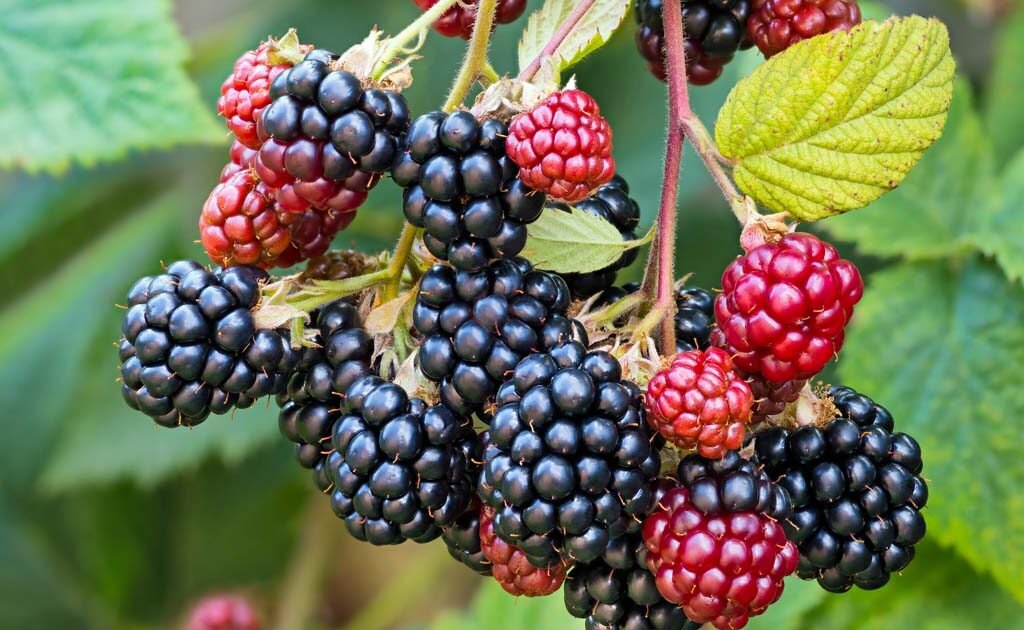
While both raspberries (Rubus idaeus) and blackberries (Rubus fruticosus) belong to the same genus, their growth habits and pruning needs differ slightly.
- Raspberries produce fruit on canes that grow for one or two years. Summer-bearing types fruit on second-year canes (floricanes), while fall-bearing varieties fruit on first-year canes (primocanes).
- Blackberries grow on trailing, semi-erect, or erect canes. They typically fruit on second-year growth but can continue to produce for many years with the right pruning and support.
Both plants are perennials, meaning their roots survive year after year, even though the above-ground canes die after fruiting.

3. Choosing the Right Varieties for Maximum Harvest
To double your berry yield, start by selecting productive, disease-resistant varieties suited to your climate.
Best Raspberry Varieties:
- Heritage: Fall-bearing, dependable, and productive with rich flavor.
- Caroline: Large, sweet berries and high disease resistance.
- Boyne: Cold-hardy summer-bearing variety with consistent yields.
Best Blackberry Varieties:
- Arapaho: Thornless, early-ripening, and flavorful.
- Triple Crown: Heavy yields of large, sweet berries with semi-erect growth.
- Natchez: Large, firm fruit on vigorous, thornless canes.
If you live in a warmer area, choose heat-tolerant varieties; for cooler regions, select cold-hardy cultivars that can withstand frost.
4. Preparing the Perfect Soil
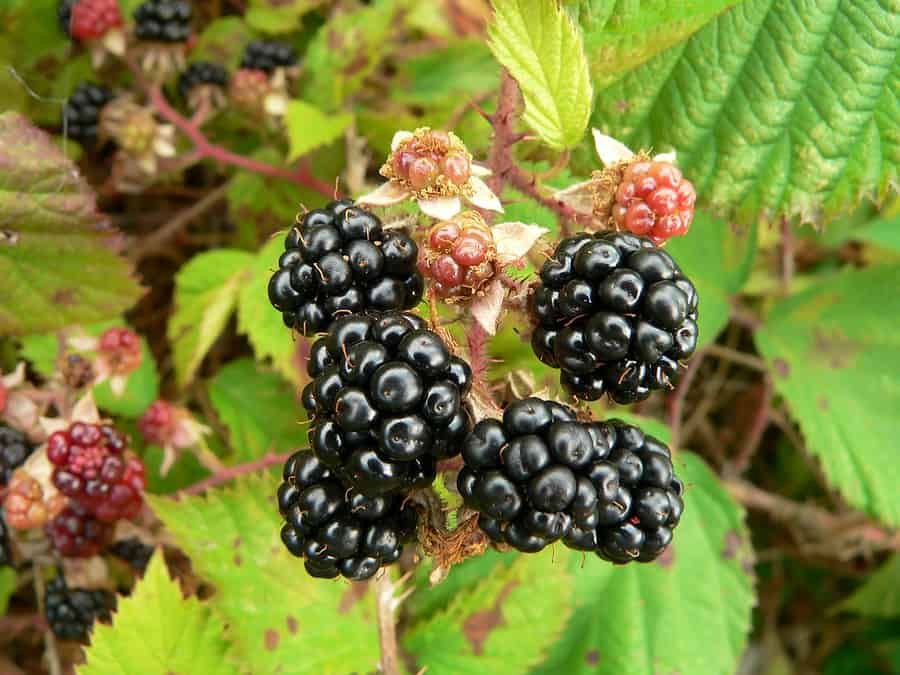
Raspberries and blackberries thrive in well-draining, fertile, slightly acidic soil with a pH between 5.5 and 6.5. Poor drainage can quickly lead to root rot, so preparing the soil correctly before planting is essential.
Steps for Soil Preparation:
- Test the pH: Adjust acidity with sulfur if needed, or add lime to raise pH.
- Add organic matter: Work in compost, aged manure, or peat moss to enrich the soil and improve texture.
- Ensure drainage: If you have heavy clay soil, consider planting in raised beds or rows.
- Clear weeds: Remove any grass or weeds that will compete for nutrients and moisture.
Healthy, loose soil encourages rapid root growth, resulting in stronger canes and higher yields.

5. How to Plant Raspberries and Blackberries
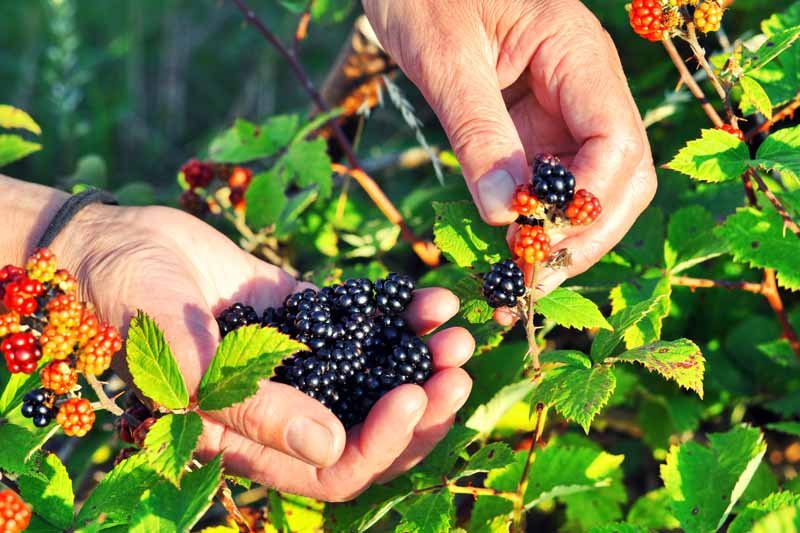
Proper planting depth and spacing are crucial for establishing vigorous berry bushes that won’t overcrowd each other.
When to Plant:
- In cool climates, plant in early spring once the ground can be worked.
- In mild or warm climates, late fall or early winter planting is ideal.
Planting Steps:
- Dig a hole or trench large enough to spread the roots comfortably.
- Set the plants so the crown (where roots meet stem) is level with the soil surface.
- Space raspberries 2–3 feet apart and blackberries 3–4 feet apart.
- Backfill with soil, firm gently, and water deeply.
- Mulch with 2–3 inches of pine bark, wood chips, or straw to conserve moisture.
Proper spacing prevents diseases and allows plenty of airflow and sunlight for fruit development.
6. Watering and Feeding for Strong Growth
Both raspberries and blackberries need consistent watering to thrive, especially during the first growing season.
- Water deeply once or twice per week, ensuring the soil remains moist but not soggy.
- Avoid overhead watering, which can encourage fungal problems. Drip irrigation or soaker hoses work best.
For fertilizing, apply a balanced organic fertilizer (such as 10-10-10) or compost in early spring as new growth appears. Midseason feeding can be done after the first harvest to promote new cane growth for the following year.
7. Training and Supporting the Canes
Raspberry and blackberry canes grow tall and can become unruly if left unsupported. A simple trellis or wire system keeps plants upright, improves air circulation, and makes harvesting easier.

Trellis Setup:
- Place sturdy posts 6–8 feet apart.
- Run two wires horizontally at 2 and 4 feet above the ground.
- As canes grow, tie them loosely to the wires using twine or garden tape.
For trailing blackberry varieties, guide the canes along the lower wire, then tie new growth vertically to maintain shape and productivity.
8. Pruning for Bigger Yields
Pruning is essential to keeping your plants healthy and productive. Each year, remove old, dead, or diseased canes to make room for vigorous new ones.
For Raspberries:
- Fall-bearing varieties: Cut all canes to the ground in late winter for a single, large fall crop.
- Summer-bearing varieties: Remove the canes that fruited last season (they turn brown and woody), leaving the new green canes to fruit this year.
For Blackberries:
- After harvesting, prune spent canes down to the ground.
- In spring, tip-prune the new canes by cutting off 2–3 inches of growth to encourage branching and more fruiting sites.
Regular pruning not only doubles your fruiting potential but also reduces disease and improves air flow.
9. Preventing Pests and Diseases
Healthy plants resist pests naturally, but keeping your berry patch clean and well-maintained is key.

Common Problems:
- Aphids, spider mites, and cane borers can damage foliage and stems. Use insecticidal soap or neem oil if needed.
- Cane blight and root rot occur in poorly drained soil or overcrowded plantings. Ensure good spacing and avoid overwatering.
- Birds love ripe berries—protect your harvest with lightweight bird netting.
Keep the area weed-free, prune regularly, and clean up fallen leaves or debris at the end of the season to prevent overwintering pests.
10. How to Double Your Berry Harvest
The secret to doubling your raspberry and blackberry harvest lies in consistent care and smart management. Here’s how to get the most from your plants:
- Plant both summer- and fall-bearing varieties: This ensures a continuous supply of berries throughout the growing season.
- Prune aggressively and regularly: Healthy new canes produce the biggest, sweetest berries.
- Mulch annually: Keeps soil moisture consistent and prevents weed competition.
- Feed organically: Use compost or berry fertilizer every spring for sustained growth.
- Water consistently: Drought stress leads to smaller, less flavorful berries.
- Train canes properly: Upright canes receive more sunlight, improving fruit quality.
By combining these techniques, you can easily double your harvest compared to neglected or poorly maintained berry patches.
11. Harvesting and Storing Your Berries
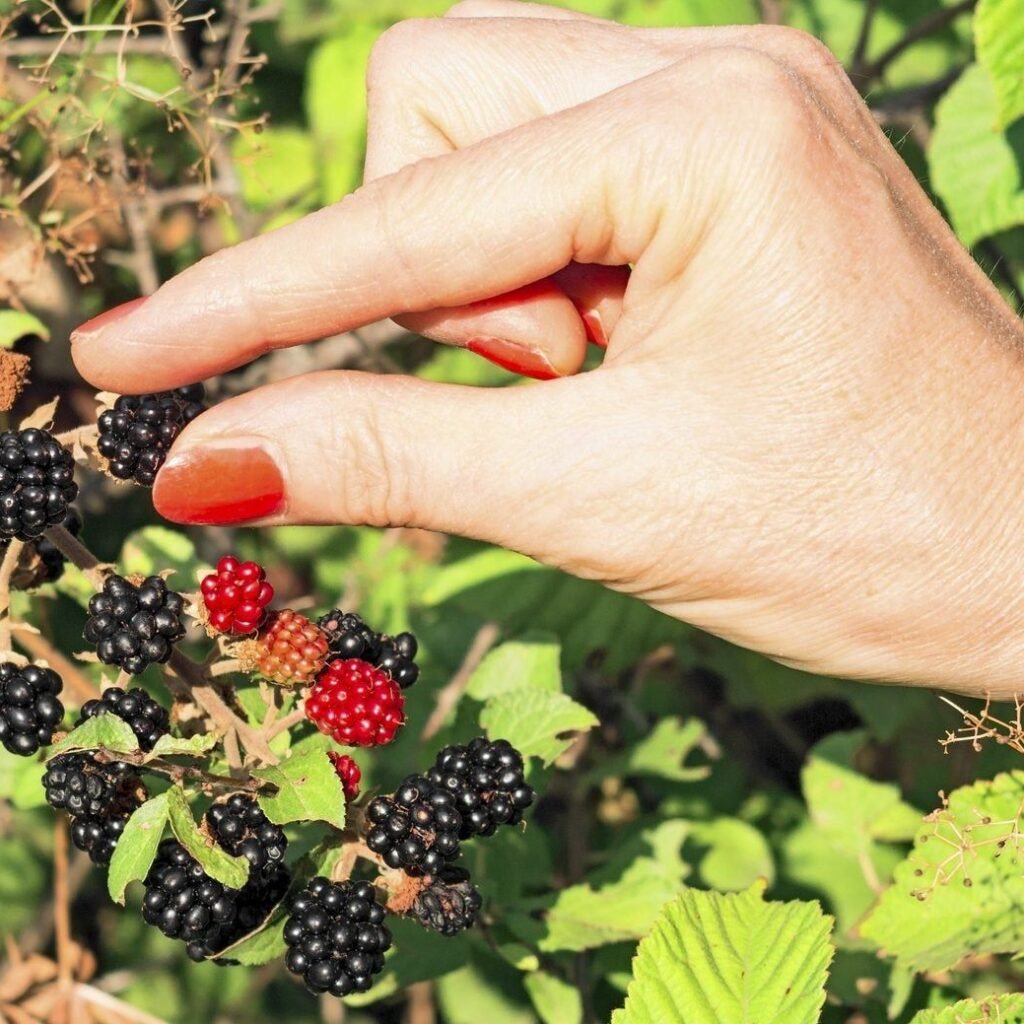
Raspberries and blackberries are ready to harvest when they are fully colored and easily detach from the plant.
Harvesting tips:
- Pick early in the morning when berries are cool.
- Handle gently to avoid bruising.
- Harvest every few days to keep plants producing.
Store fresh berries in the refrigerator for up to 5 days. To preserve longer, freeze them in a single layer on a tray before transferring them to airtight containers.

12. Propagating for More Plants
Once your raspberries and blackberries are established, they’ll send up new shoots (suckers) around the base. You can dig these up in early spring or fall and replant them to expand your patch or share with other gardeners.
Alternatively, trailing blackberries can be propagated by tip layering—burying the tip of a cane in soil until it roots, then cutting it from the parent plant.
This natural propagation means your berry garden can keep expanding year after year, with minimal cost or effort.
Conclusion
Planting raspberries and blackberries now is one of the best decisions you can make for your garden. Early planting sets the stage for healthy, high-yielding plants that can reward you with gallons of fruit for years to come.
With proper soil preparation, consistent watering, regular pruning, and timely feeding, you can double your berry harvest and enjoy the taste of homegrown fruit straight from the garden. Whether you grow them in rows, raised beds, or containers, these hardy, productive plants are a gift that keeps giving—season after season.

Leave A Comment