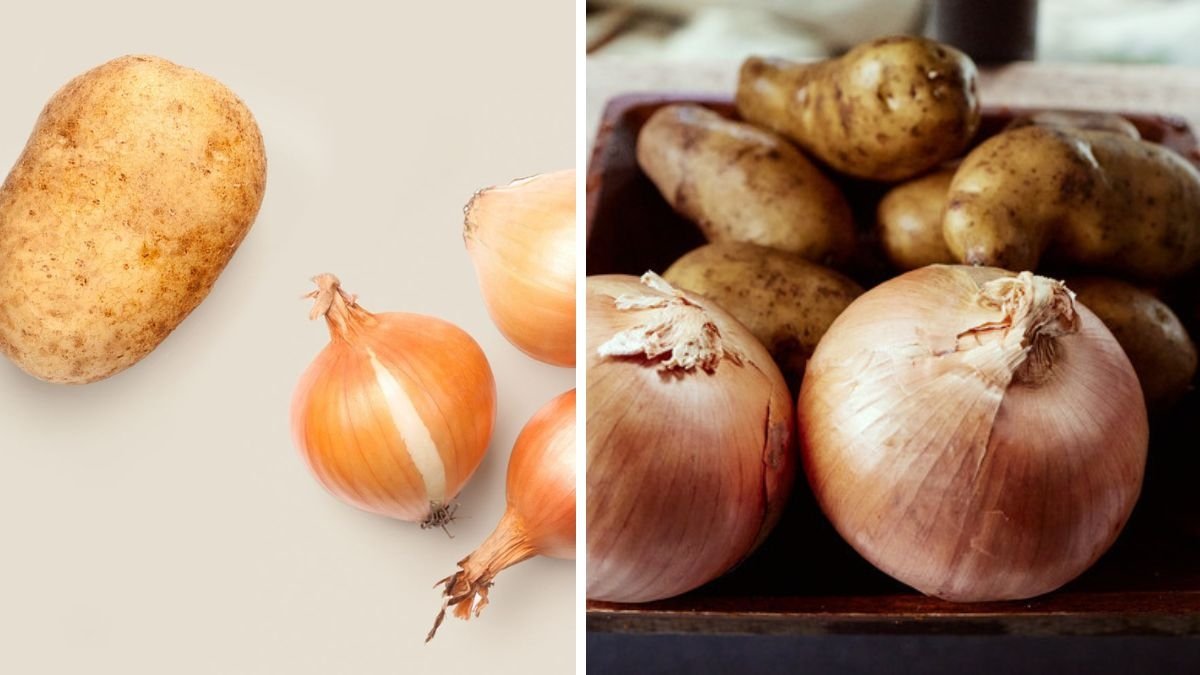
For years, I had a frustrating kitchen mystery. Every time I bought a bag of onions and potatoes, within just a couple of weeks, they’d start sprouting — green shoots poking out of the potatoes, and onions growing long stems like they were auditioning for a science experiment.
It didn’t matter whether I kept them in the pantry, in the fridge, or in a cute woven basket on my counter — the result was always the same. Half my veggies ended up wasted before I could even use them.
Then, one day, I stumbled across a small but eye-opening tip: “Never store onions and potatoes together.”
It sounded odd at first — after all, both are root vegetables that seem perfectly happy sharing the same basket. But out of curiosity (and mild frustration), I decided to try separating them.
A few weeks later, I was shocked — no sprouts, no mushy spots, and my onions stayed firm and flavorful. That simple switch completely changed how I handle my pantry produce. Here’s why separating onions and potatoes works so well — and how you can keep yours fresh for weeks longer too.
The Common Mistake: Storing Onions and Potatoes Together
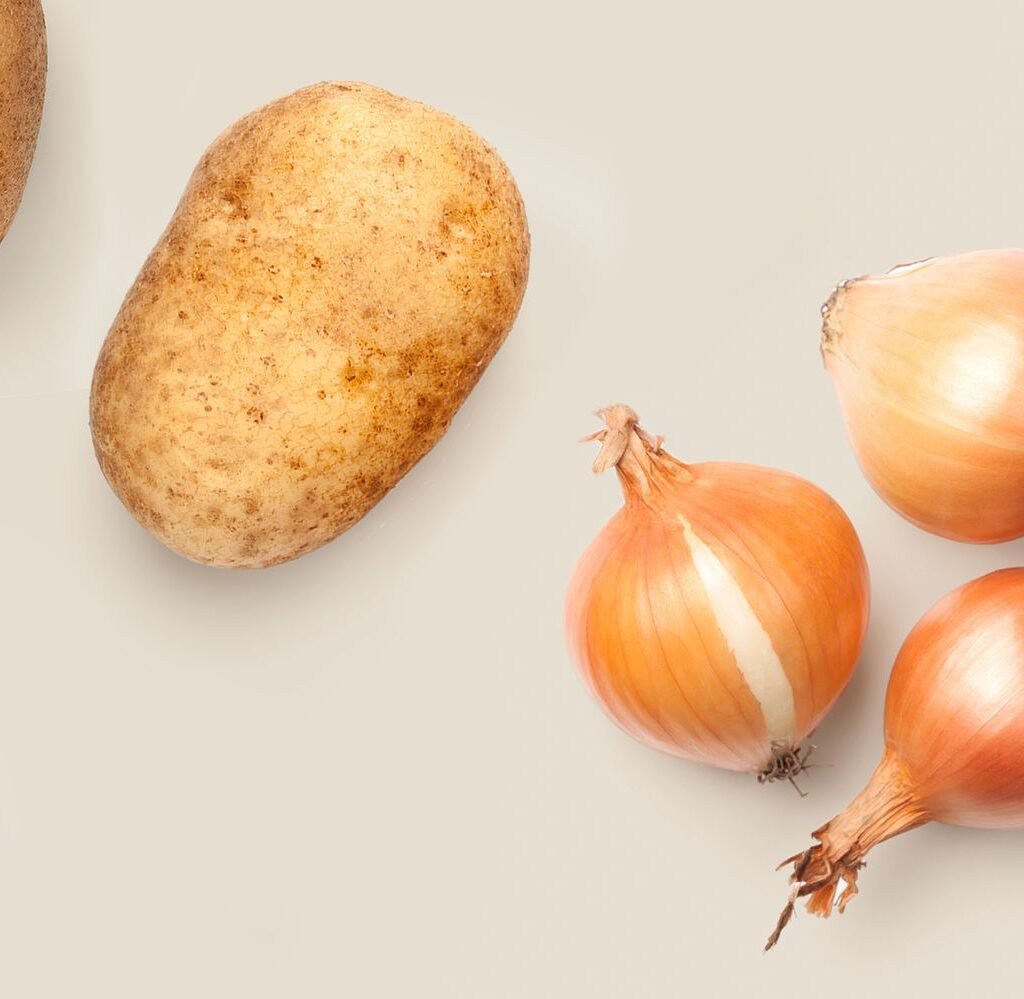
Most people — myself included — tend to lump onions and potatoes together. They’re both hardy, inexpensive, and look great sitting side by side in a rustic kitchen basket. It feels logical to store them together because they both like cool, dark environments.
But here’s the catch: while their storage needs overlap, their chemistry doesn’t mix well.
When you store onions and potatoes together, they begin to interact in subtle but powerful ways — ones that speed up spoilage and sprouting on both sides.
The Science Behind the Sprouting
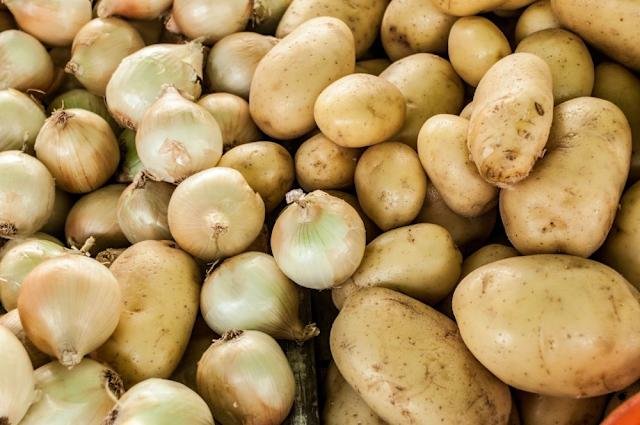
The reason onions and potatoes don’t make good pantry partners comes down to the gases and moisture they release.

1. Ethylene Gas: The Ripening Accelerator
Onions naturally produce a small amount of ethylene gas, a colorless plant hormone that helps trigger ripening and aging in produce. This is the same gas that makes apples ripen faster or bananas turn brown when stored near other fruits.
Potatoes, unfortunately, are very sensitive to ethylene. When exposed to it, they begin to sprout prematurely, turning soft and developing those unwanted green shoots.
2. Moisture: The Hidden Enemy
Potatoes, on the other hand, release moisture as they age. This extra humidity creates the perfect damp environment for onions to spoil. Onions prefer dry air — moisture makes them rot, grow mold, or become soft.
In short:
- Onions make potatoes sprout.
- Potatoes make onions rot.
So when they’re stored together, each one accelerates the other’s downfall.
The Simple Fix That Changed Everything
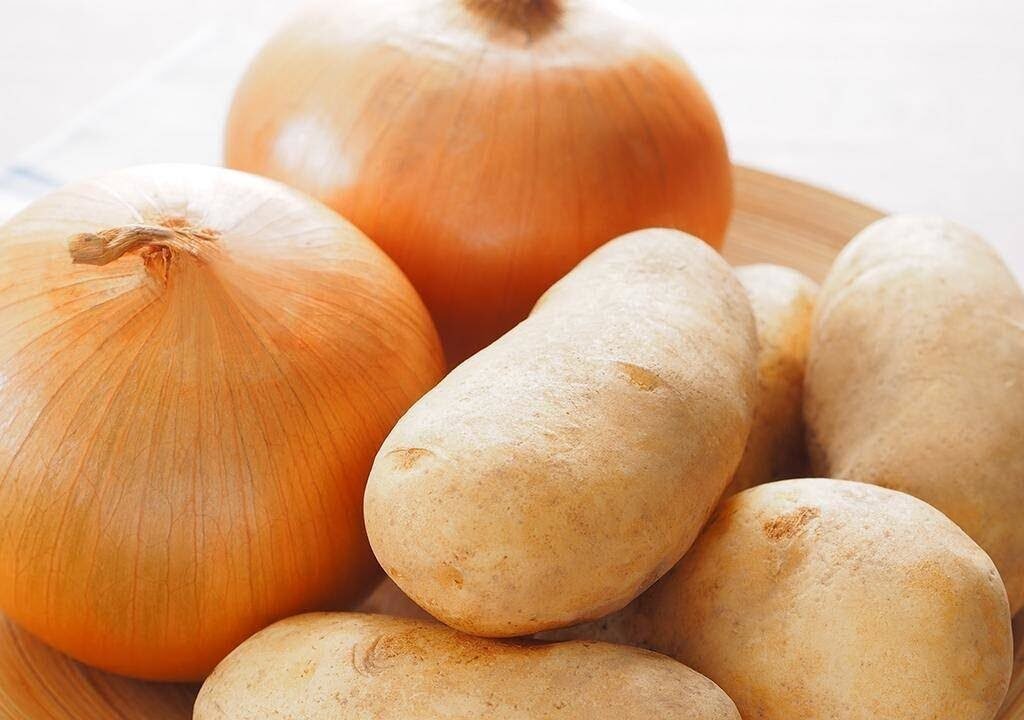
Once I learned that, I decided to rearrange my storage system. I gave onions and potatoes their own separate spaces — one on a shelf in the pantry, and the other in a dark corner under the counter.
Within just a few weeks, the difference was clear:
- My potatoes stayed firm and sprout-free for nearly a month.
- My onions remained dry, crisp, and mold-free.
I hadn’t realized that such a small change could extend their shelf life so dramatically.
And the best part? I stopped wasting money on spoiled produce.

The Right Way to Store Potatoes
Potatoes are hearty, but they still need the right environment to stay fresh. Here’s how to store them properly for maximum lifespan and flavor:
1. Keep them cool — but not cold
The best temperature range for potatoes is 45–50°F (7–10°C). That usually means a cool, dark pantry, basement, or cupboard away from your stove and sunlight.
Avoid the refrigerator — the cold converts potato starch into sugar, changing the taste and texture.
2. Store in a breathable container
Use a paper bag, burlap sack, basket, or ventilated bin. Potatoes need airflow to prevent moisture buildup and rot. Never keep them in plastic bags — they trap humidity and cause decay.
3. Keep them away from light
Light exposure triggers chlorophyll production, turning potatoes green and bitter. Cover them loosely with a towel or keep them in a dark corner.
4. Don’t wash before storing
Washing introduces moisture, which encourages mold and rot. Brush off dirt gently instead.
With these steps, I’ve found my potatoes can last 4 to 6 weeks without any sprouting or softness.
The Right Way to Store Onions
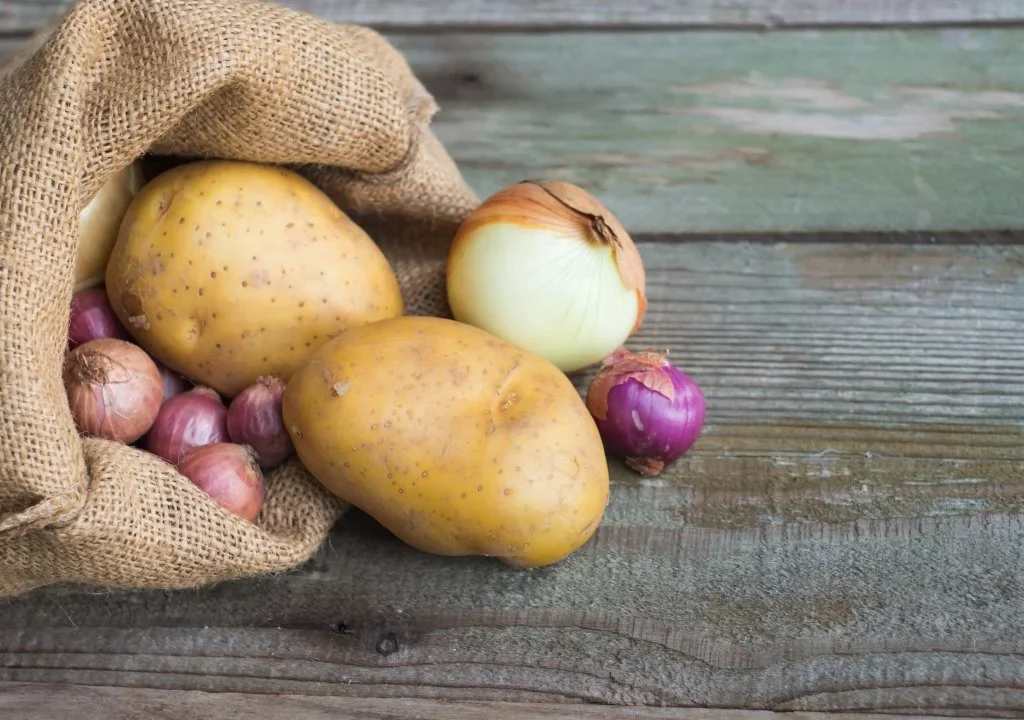
Onions are a bit more delicate than potatoes — they thrive in dry air and can quickly go bad if kept too close to moisture or in sealed containers. Here’s how to keep them perfect:
1. Choose the right location
Onions prefer a cool, dry, and well-ventilated spot — around 45–55°F (7–13°C). A wire basket, mesh bag, or even a pantyhose trick (yes, really!) works wonders.
You can hang onions individually in old pantyhose, tying knots between each one. This lets air circulate and prevents them from touching — no cross-contamination or rot.

2. Avoid closed bags or drawers
Onions need air to breathe. Plastic bags or tightly sealed drawers trap moisture, which quickly turns them mushy.
3. Keep them away from heat and sunlight
Heat encourages sprouting and drying out. Find a dark pantry or cupboard away from the oven or window.
4. Separate varieties
Sweet onions, like Vidalias, have higher water content and spoil faster. Use those first, and store yellow or red onions longer-term.
With proper storage, my onions now last up to two months without sprouting or soft spots.
Bonus Tip: What to Do With Sprouted Ones
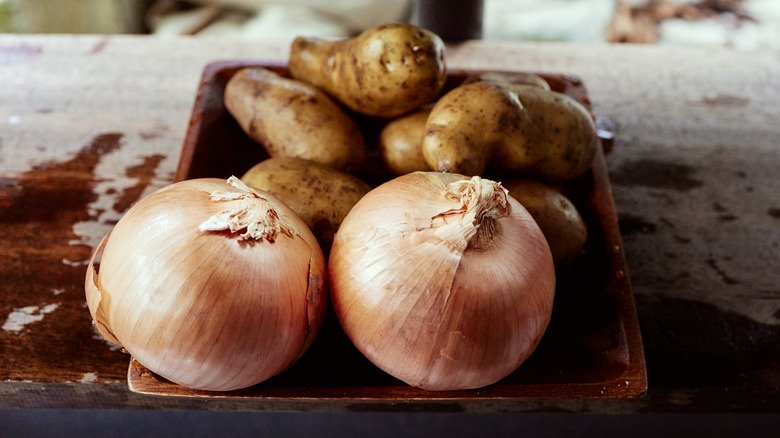
Even with good storage, sometimes onions or potatoes might still sprout if you keep them long enough. But don’t toss them out just yet — here’s what you can do:
- Slightly sprouted potatoes: You can still eat them if they’re firm and not green. Just cut off the sprouts before cooking.
- Sprouted onions: They’re safe to eat if they haven’t gone soft or moldy. You can even plant them to grow fresh green onion shoots!
However, if your potatoes are green or bitter, that’s a sign of solanine — a natural toxin — and they should be discarded.
How to Store Other Produce Nearby (Without Causing Trouble)
Once I learned about ethylene gas and moisture issues, I started rethinking how I stored all my fruits and veggies. Some foods are “ethylene producers,” and others are “ethylene sensitive.” Mixing the two can cause early spoilage.
Here’s a quick guide to help you:
Keep These Away from Onions and Potatoes:
- Apples
- Bananas
- Avocados
- Pears
- Tomatoes
All of these release ethylene, which can trigger faster sprouting and softening.
Safe Pantry Companions for Potatoes:
- Garlic
- Squash
- Root vegetables like carrots or beets (as long as they’re dry)
Safe Companions for Onions:
- Garlic (they actually get along surprisingly well)
- Shallots
Creative Storage Ideas That Actually Work
Here are a few simple tricks that made my pantry organization both functional and stylish:
- Wire baskets or mesh drawers – They allow air circulation and look great in open shelving.
- Labelled bins – Keep your onions, potatoes, and garlic in separate bins with names for easy access.
- Hanging baskets – Save counter space and keep airflow constant.
- Cool drawer organizers – If you live in a hot climate, insulated drawers can mimic a cellar environment.
These setups aren’t just about looks — they truly help prevent premature spoilage.
The Surprising Side Benefit
One unexpected benefit I noticed after separating my onions and potatoes? My kitchen smelled fresher.
When onions and potatoes age together, they emit distinct earthy and sulfur-like smells that blend into something not-so-pleasant over time. By keeping them apart, the musty pantry odor vanished almost overnight.
It’s such a small detail, but it makes cooking and meal prep feel more enjoyable.
Why This Simple Change Matters
It’s amazing how one small adjustment can make such a big difference — not just in how long my produce lasts, but in how much money I save and how much less food I waste.
Every year, households throw away up to 30% of their fresh produce due to spoilage. Much of that could be avoided with better storage habits.
By simply separating onions and potatoes, you can:
- Double their shelf life.
- Reduce food waste.
- Save money on groceries.
- Keep your pantry cleaner and better organized.
Final Thoughts
It’s funny how such an old-fashioned tip — one your grandmother probably knew — can completely change the way you store food today.

When I stopped storing onions and potatoes together, I wasn’t expecting much. But now my pantry is neater, my vegetables last far longer, and I never have to deal with that funky smell or green-sprouting surprise.
So if you’ve been battling fast-sprouting potatoes and soft onions, give this simple separation trick a try. You’ll be amazed at how long your produce stays fresh — and how much less you’ll have to throw away.
Sometimes, the best kitchen hacks aren’t new at all — they’re just rediscovered.

Leave A Comment