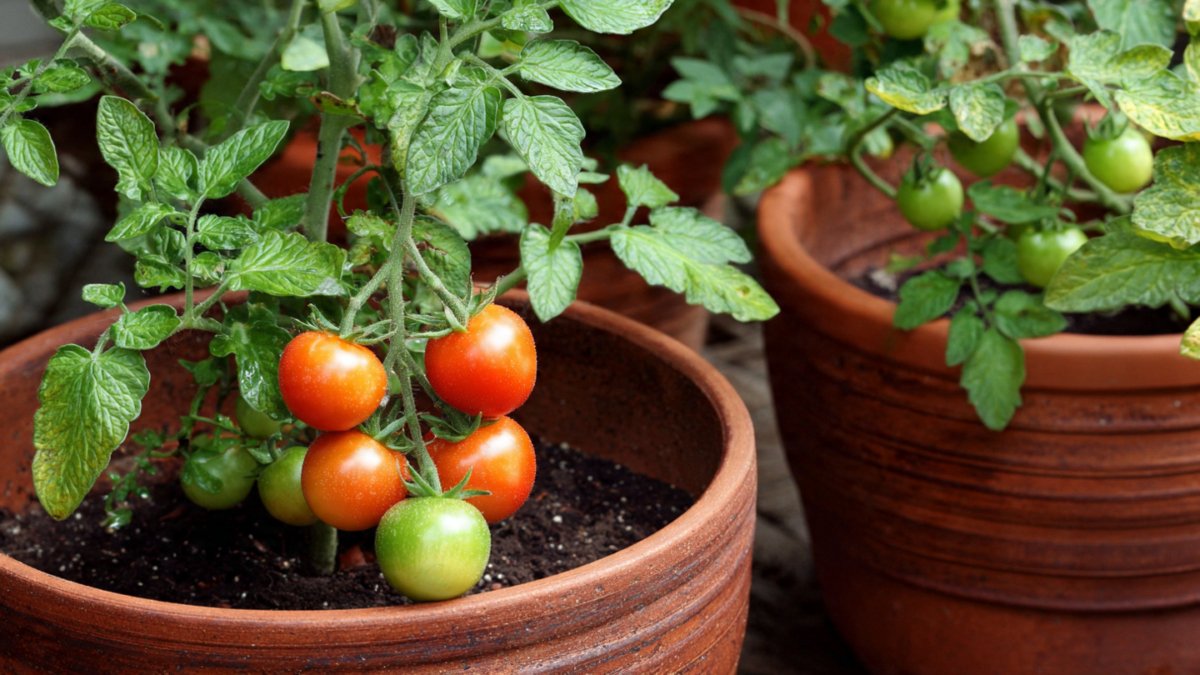
Growing tomatoes at home is simple when you understand the plant’s basic needs. Tomatoes require 6–8 hours of sunlight, nutrient-rich soil, proper watering, and support for vertical growth. They can be grown in gardens, terraces, balconies, and containers, making them suitable for urban and rural households alike. In warm climates like India, tomatoes can be cultivated during multiple seasons with proper care and planning.
Tomato Seeds
Tomato seeds are the foundation of a healthy crop, so selecting high-quality, disease-resistant seeds is extremely important. Seeds should be clean, properly stored, and suitable for your regional climate. Before sowing, you can soak them in water for 6–8 hours to speed up germination. Use a light seed-starting mix that drains well to prevent fungal problems. Keep the soil moist but not soggy, and place trays in a warm, bright area. Germination usually occurs within 5–10 days under ideal temperature conditions between 20–30°C.
| Factor | Recommendation |
|---|---|
| Seed depth | 0.5 cm |
| Germination time | 5–10 days |
| Ideal temperature | 20–30°C |
| Watering | Light and consistent |
2. How to Grow Tomatoes in Pots and Containers
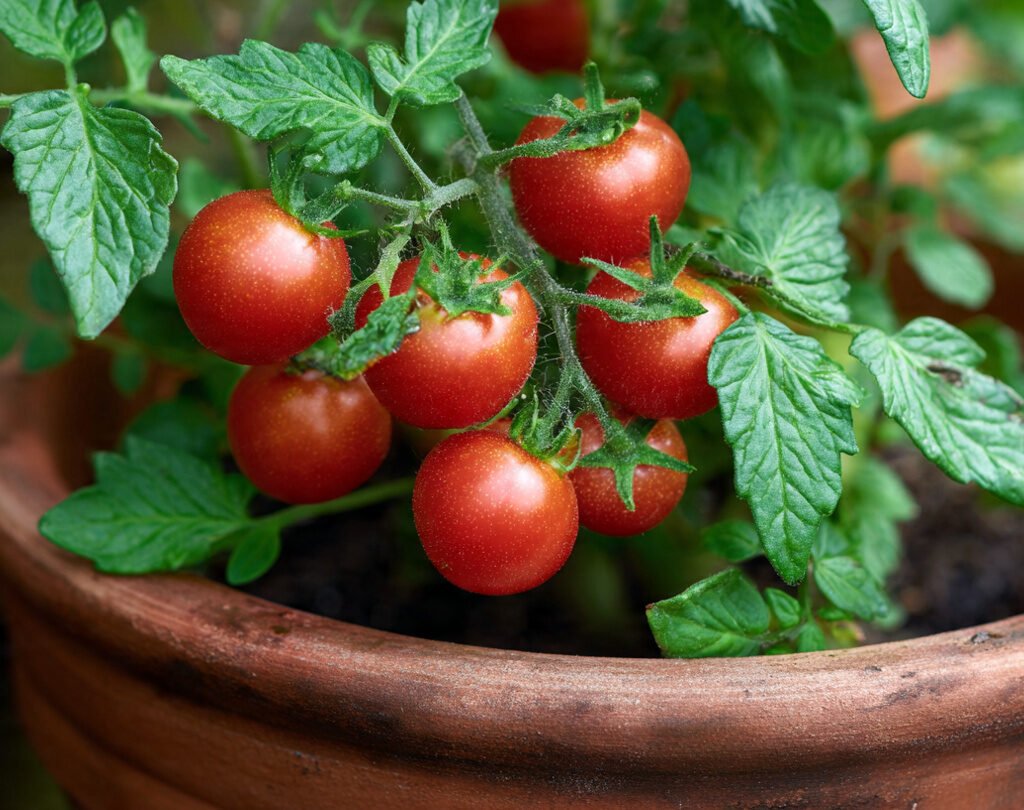
Growing tomatoes in pots is an ideal solution for people with limited space. Container gardening allows better control over soil conditions, watering schedules, and sunlight exposure. Whether you grow them indoors or outdoors, tomatoes can thrive in pots when provided with sufficient light and nutrients.
Best Pots for Tomato Plants
Selecting the right pot is crucial for healthy tomato growth. Larger containers allow roots to expand freely, resulting in stronger plants and higher yields. Pots should have adequate drainage holes to prevent water accumulation. Materials like plastic, clay, ceramic, and grow bags can all work effectively depending on your environment. Lightweight pots are easier to move, while clay pots provide better airflow for roots. Always ensure the pot size matches the tomato variety you are growing.
| Pot Type | Suitable For | Advantage |
|---|---|---|
| Plastic pots | Beginners | Lightweight and affordable |
| Clay pots | Outdoor growing | Better airflow |
| Grow bags | Terrace gardening | Excellent drainage |
| Large containers | Tall varieties | Supports strong root growth |
How to Grow Tomatoes in Pots from Seeds
Start seeds in small pots before transferring them into larger containers. Ensure the soil mix is rich in compost and drains well. Place pots in areas receiving direct sunlight daily. After transplanting, water gently to help roots settle. Adding mulch helps retain moisture and regulate soil temperature. Feeding plants regularly with organic fertilizer ensures steady growth and fruit production throughout the season.
How to Grow Tomatoes in Pots Without Seeds
Growing tomatoes in pots without seeds involves planting healthy stem cuttings directly into prepared containers. Keep the soil moist and place the pot in partial sunlight during the initial rooting stage. Once roots are established, move the plant to a sunnier location. This method reduces growing time and allows quicker fruit production compared to starting from seeds.
Growing Tomatoes in Pots for Beginners
Beginners should monitor watering carefully because container soil dries faster than garden soil. Always check the top layer of soil before watering. Provide strong support using stakes or cages early in the plant’s growth. Avoid overcrowding multiple plants in one pot, as this reduces airflow and increases disease risk. Regular feeding and pruning ensure healthy, productive plants.
How to Grow Tomatoes in Pots Indoors
Indoor tomato plants must be placed near bright windows that receive maximum sunlight. If natural light is insufficient, grow lights can supplement lighting needs. Rotate pots every few days to ensure even growth. Indoor environments require proper ventilation to prevent fungal diseases. Maintain consistent watering and avoid sudden temperature changes for best results.
How to Grow Tomatoes in Pots Outside
Outdoor container plants benefit from natural sunlight and airflow. However, protect them from heavy rainfall and strong winds. During extremely hot weather, provide light afternoon shade to prevent flower drop. Mulching helps retain moisture and stabilize soil temperature. Regular monitoring ensures plants remain healthy and pest-free.
Growing Tomatoes in Pots Pruning
Pruning container-grown tomatoes improves airflow and fruit quality. Remove yellow or diseased leaves immediately. Trim suckers growing between the main stem and branches to direct energy toward fruit development. Proper pruning prevents overcrowding and supports better sunlight penetration, leading to improved overall productivity.
3. How to Grow Tomatoes for Beginners
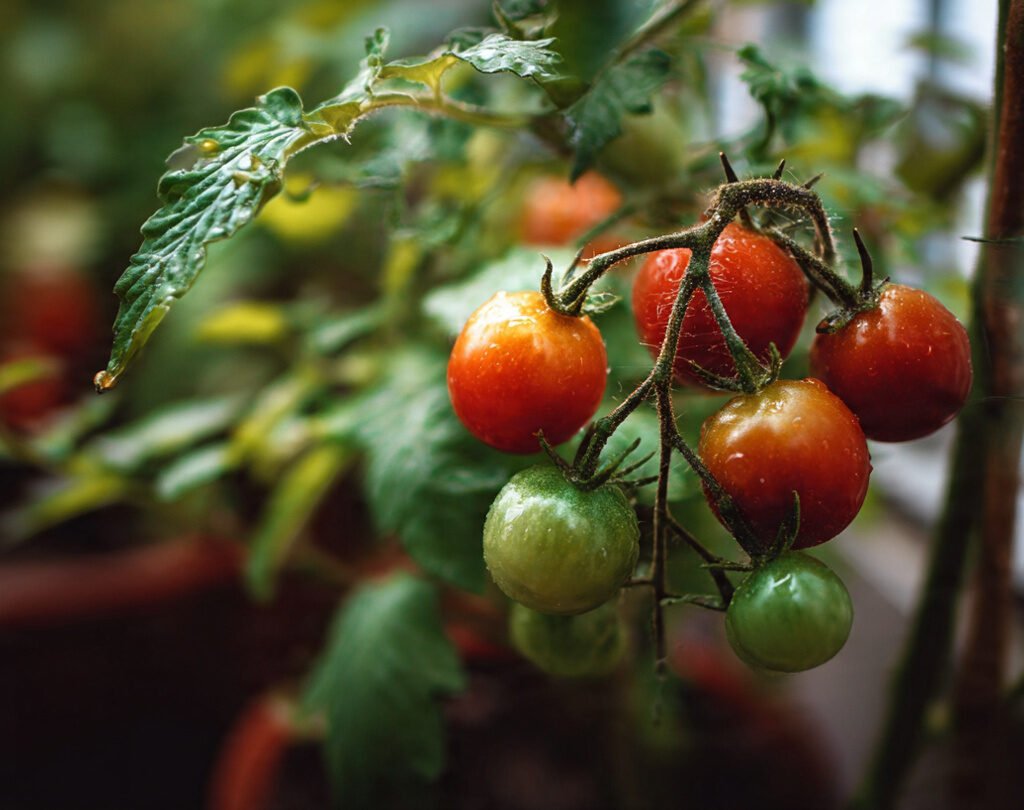
Growing tomatoes for beginners becomes easier when focusing on basic plant needs and consistent care. Tomatoes adapt well to home gardens, containers, and indoor environments.
Best Time to Grow Tomatoes in India
In India, tomatoes can be grown during multiple seasons depending on regional climate. Winter and early spring are considered the best periods in most areas. Avoid extreme summer heat or heavy monsoon rains without protection. Understanding seasonal timing improves plant survival and productivity significantly.

| Season | Sowing Time | Harvest Period |
|---|---|---|
| Winter crop | Oct–Nov | Jan–Feb |
| Summer crop | Jan–Feb | Apr–May |
| Monsoon crop | Jun–Jul | Sep–Oct |
How to Grow Tomatoes for Beginners from Seed
Sow seeds in trays and keep them warm and moist until germination. Provide adequate sunlight after sprouting to avoid weak stems. Transplant seedlings once they are sturdy enough. Gradual exposure to outdoor conditions helps plants adjust better.
Tomato Plant Maintenance
Tomato plant maintenance includes watering regularly, fertilizing every two to three weeks, pruning excess shoots, and checking for pests. Keeping soil fertile and well-drained ensures continuous flowering and fruiting. Consistent care leads to healthier plants and better yields.
4. How to Grow Tomatoes at Home Without Seeds
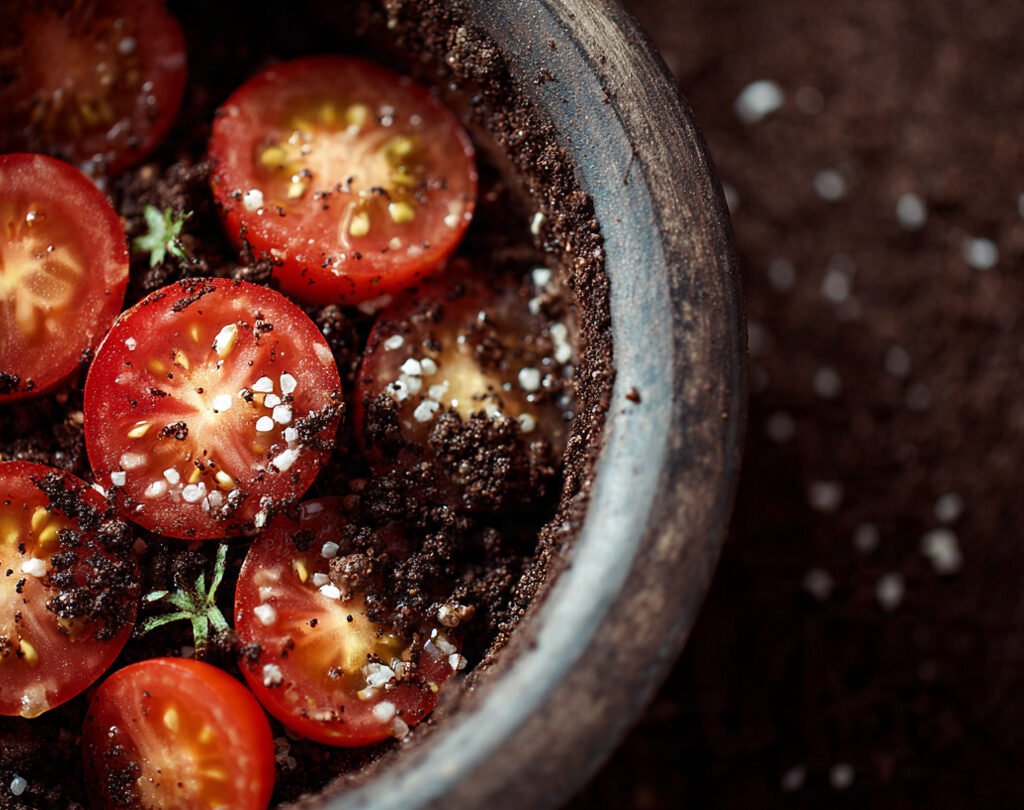
Growing tomatoes without seeds saves time and allows faster harvesting. Stem cuttings taken from healthy plants root quickly in moist soil. After planting, keep the cutting in partial shade for a few days. Once roots develop, shift it to full sunlight. Regular watering and feeding ensure strong plant growth and fruit production.
5. How to Make Tomato Plants Grow Faster
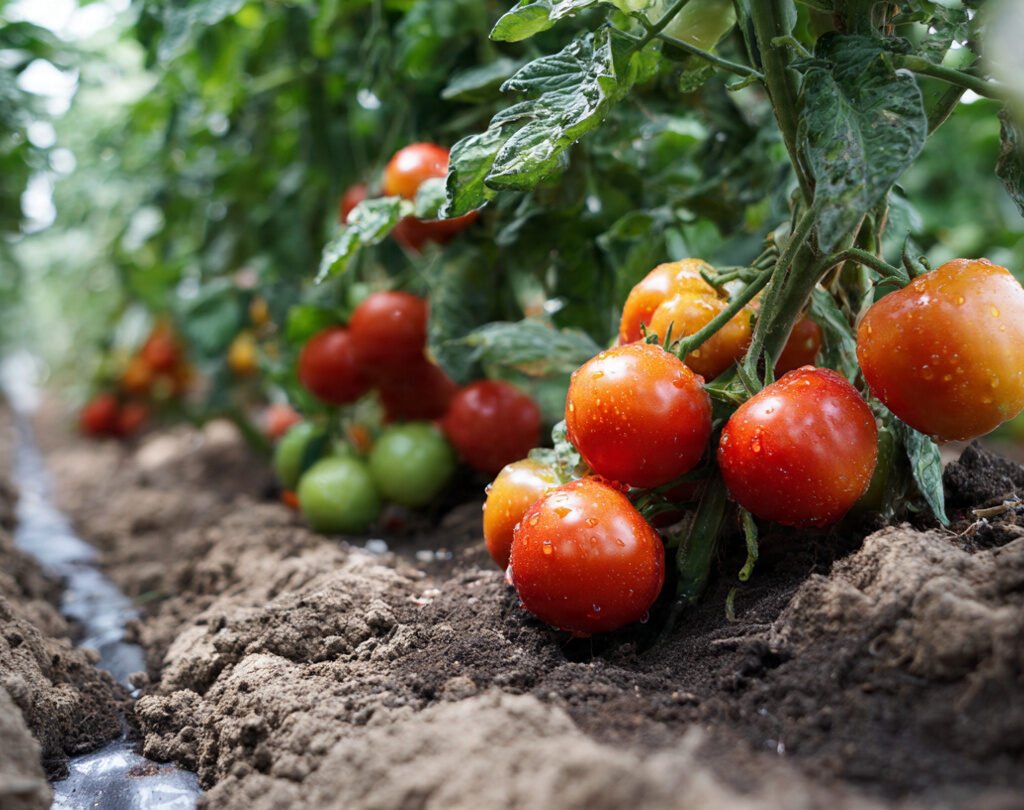
Faster tomato growth depends on improving soil quality, sunlight exposure, and proper pruning techniques. Plants need balanced nutrients and consistent watering to grow vigorously.

How to Make Tomatoes Grow Bigger
Larger tomatoes develop when plants receive adequate potassium and phosphorus during flowering. Avoid excessive nitrogen, which encourages leaf growth instead of fruit development. Proper spacing, regular watering, and removing weak flowers help plants focus energy on producing bigger fruits.
| Practice | Benefit |
|---|---|
| Balanced fertilization | Larger fruits |
| Regular pruning | Better airflow |
| Proper watering | Prevents cracking |
| Adequate sunlight | Improved sweetness |
Best Fertilizer for Tomatoes
The best fertilizer for tomatoes contains balanced nitrogen, phosphorus, and potassium. Organic compost, vermicompost, and homemade liquid fertilizers improve soil structure and nutrient content. Feeding plants every 2–3 weeks during the growing season ensures steady growth and higher yields.


[…] seed varieties. They also break down seeds by size, color, heirloom, and more. One of my favorite Tomato Seeds varieties they offer is the Indigo Rose cherry tomato. They have striped cherry tomatoes, […]
[…] when I had more tomatoes than I could use right away! If you tend to shy away from homemade Tomato Without Seeds tomato sauce because of all the work involved, this recipe is for you. Tomato sauce from scratch […]
[…] way to improve drainage is to aerate the soil in your garden. As an added bonus, compost Tomato Grow Faster helps to restore some nutrients to the soil. Instead of using a sprinkler, use a hose to control […]