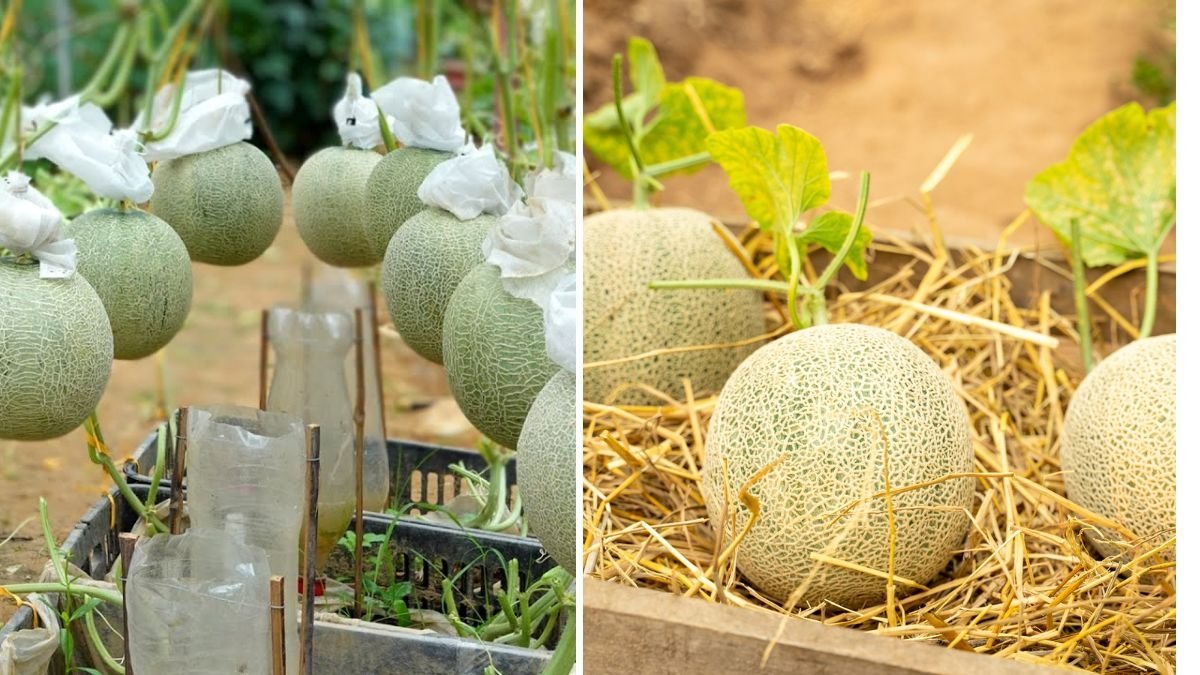
Growing melons doesn’t have to be limited to large gardens or farmlands. With some creativity, patience, and smart container gardening techniques, you can grow big, juicy, orange-flesh melons right on your terrace — even if you live in an apartment or urban home. Inspired by the video “Growing Melons Hanging Plastic Bowls on the Terrace – Big Fruit – Orange Flesh,” this article will guide you step by step through the fascinating process of growing productive melon vines in hanging containers.
If you’re ready to transform your terrace into a mini fruit paradise, here’s everything you need to know — from choosing the right melon variety and preparing the soil to watering, pruning, and harvesting ripe, aromatic fruits.
Why Grow Melons in Hanging Plastic Bowls?
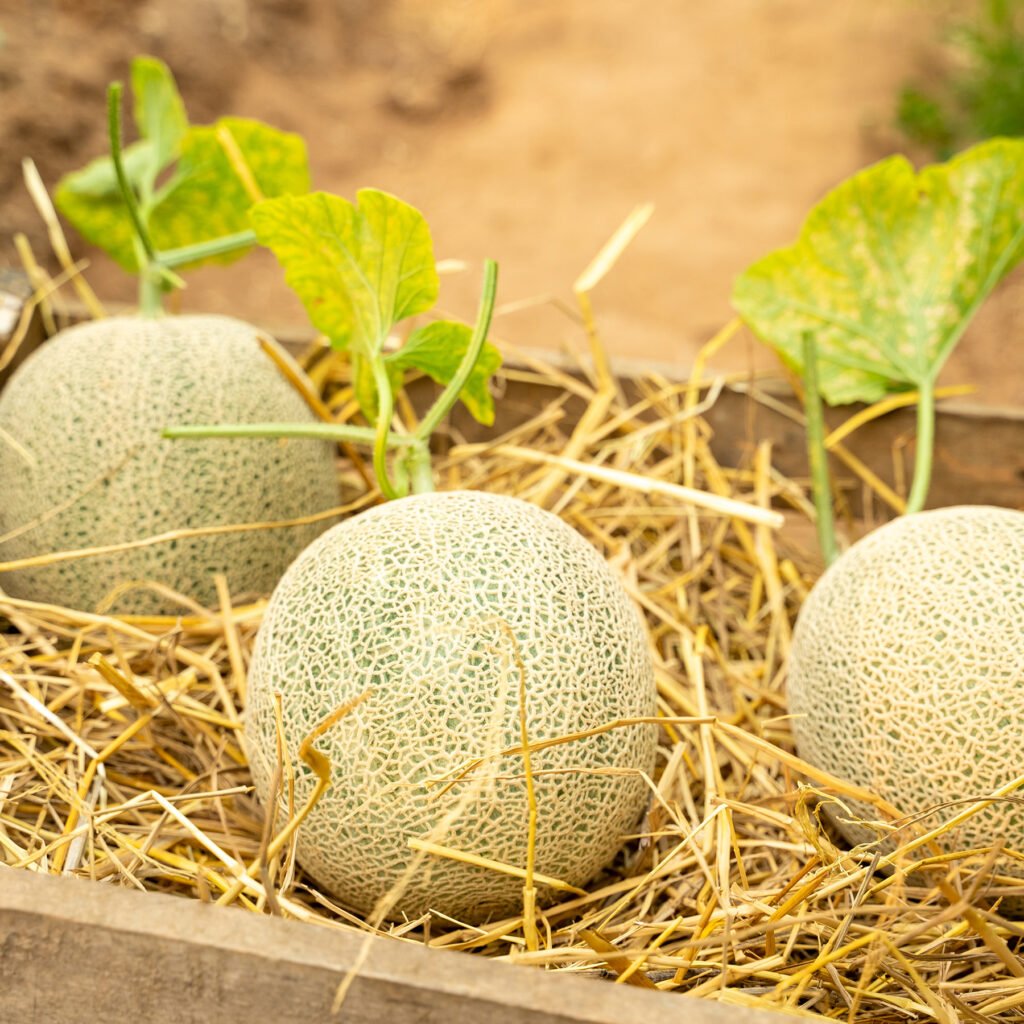
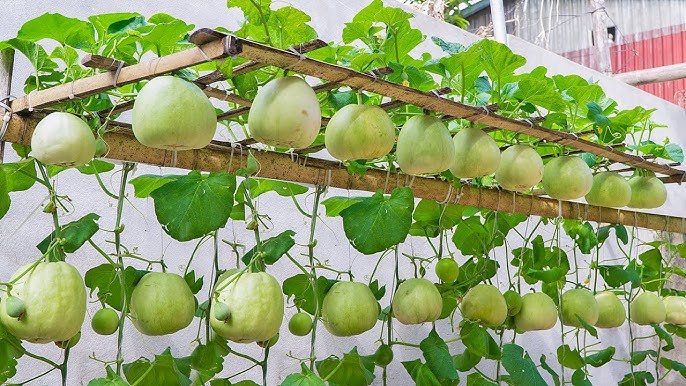
Hanging melons might sound unusual, but this innovative method is gaining popularity among urban gardeners. The technique involves growing melon vines in large plastic hanging bowls or containers, allowing the vines to trail downward instead of spreading across the ground.
This system offers several benefits:
- Space-saving: Perfect for small terraces and balconies.
- Better air circulation: Reduces the risk of fungal diseases and rot.
- Cleaner fruits: Melons don’t rest on the soil, keeping them blemish-free.
- Aesthetic appeal: The hanging vines with growing fruits add beauty to your terrace.
- Controlled environment: Easier to manage soil moisture, pests, and nutrients.
It’s a practical and visually stunning way to enjoy homegrown fruit even in limited spaces.
1. Choosing the Right Melon Variety
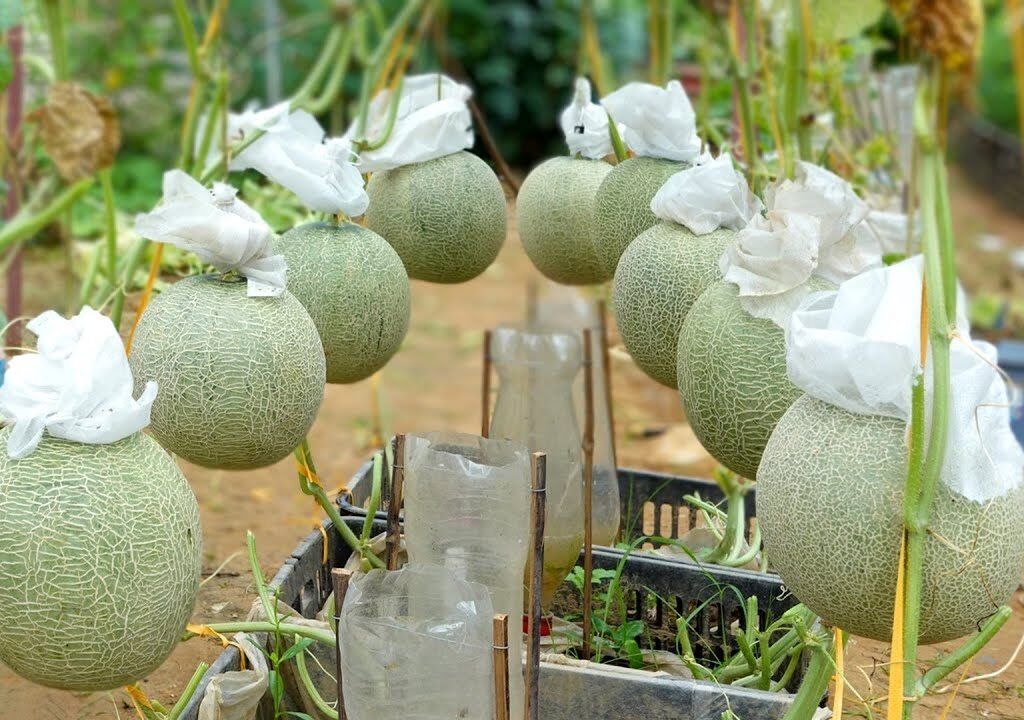
To grow melons successfully in hanging bowls, you’ll need to pick compact, fast-maturing varieties that perform well in containers. Orange-flesh melons, often called muskmelons or cantaloupes, are ideal because they produce medium-sized fruits and thrive in warm, sunny conditions.
Some recommended varieties include:

- ‘Sugar Queen’ – Early-bearing, sweet, and suitable for pots.
- ‘Minnesota Midget’ – Small fruits (1–2 pounds), perfect for containers.
- ‘Golden Jenny’ – Compact vines with deep orange, aromatic flesh.
- ‘Honey Rock’ – Reliable, flavorful, and adapts well to limited space.
Choose hybrid or disease-resistant types for consistent yield and healthier plants.
2. Selecting and Preparing Hanging Bowls
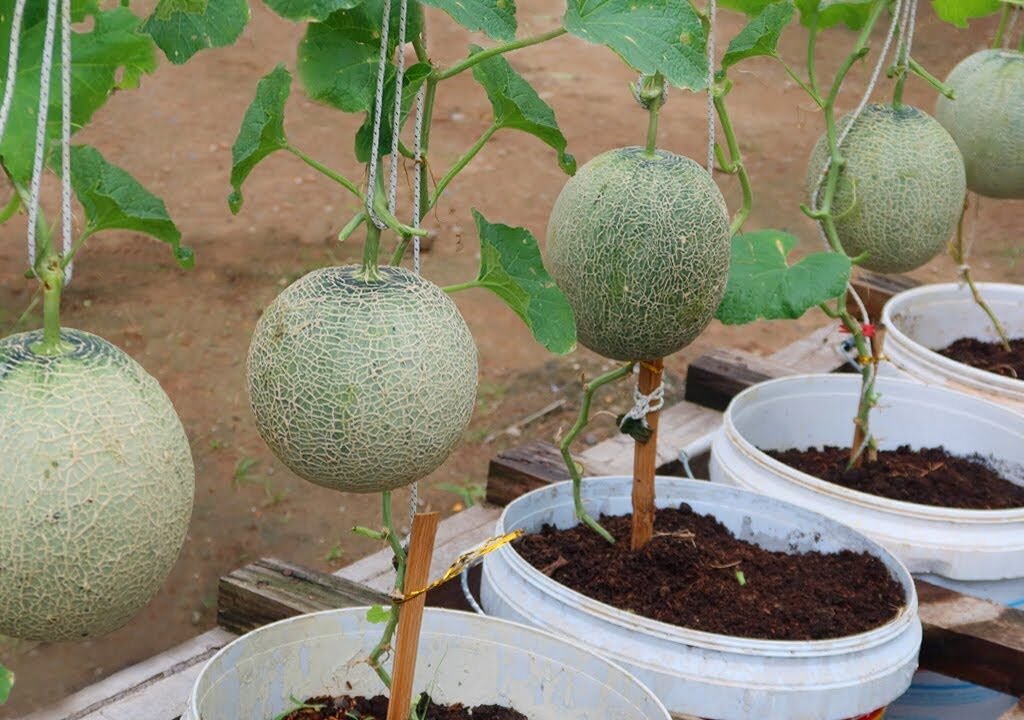
Your melon’s success depends largely on the container. Since melons need ample root space, choose large hanging plastic bowls that are at least 18–20 inches in diameter and 10–12 inches deep.
Container Setup:
- Make sure each bowl has 4–6 drainage holes to prevent waterlogging.
- Line the bottom with small pebbles or pieces of broken clay pots for better drainage.
- Use sturdy metal chains or thick rope to support the weight of the soil, water, and growing fruit — each container can weigh up to 10–15 kg when mature fruits develop.
Soil Mix Recipe:
To ensure good aeration and nutrient supply, prepare a rich, well-draining mix:
- 40% garden soil
- 30% compost or aged cow manure
- 20% coco peat or perlite for moisture control
- 10% sand or vermicompost for added fertility
Mix a handful of bone meal or rock phosphate to promote root and fruit development.
3. Sowing and Germinating Melon Seeds
Melons are warm-season crops, so start sowing when daytime temperatures are consistently above 75°F (24°C).
Steps for Sowing:

- Soak melon seeds in warm water for 6–8 hours to improve germination.
- Fill small pots or trays with seed-starting mix and plant seeds 1 inch deep.
- Keep the soil slightly moist — not soggy — and maintain warmth around 80°F (27°C).
- Germination takes 5–7 days. Once seedlings have two true leaves, they’re ready for transplanting.
Transplanting:
Transfer one strong seedling per hanging bowl. Be careful not to disturb the delicate roots. Position the bowl in a spot that receives 6–8 hours of direct sunlight daily.
4. Providing the Ideal Growing Conditions
Light:
Sunlight is essential for sweetness and growth. Ensure your terrace receives maximum exposure to full sun. If sunlight is limited, consider using reflective sheets or mirrors to redirect light toward your plants.
Temperature:
Melons love warmth — ideal range: 75–90°F (24–32°C). Protect your plants from cold drafts and strong winds using transparent plastic sheets or windbreakers.
Humidity & Airflow:
Proper air movement prevents mold and encourages pollination. Avoid clustering too many bowls together; space them about 3–4 feet apart.
5. Watering and Feeding Your Melons
Watering:
Melons are thirsty plants, especially when fruits start forming. However, overwatering can cause root rot.
- Water deeply every 2–3 days, allowing the top inch of soil to dry between sessions.
- Use a watering can or drip system to deliver moisture directly to the roots.
- During fruit ripening, slightly reduce watering to enhance sweetness and prevent cracking.
Feeding:
Melons are heavy feeders. Feed plants every 2 weeks using a liquid fertilizer or compost tea.
Recommended Fertilizer Routine:

- Early growth: Balanced fertilizer (NPK 10-10-10).
- Flowering stage: Add phosphorus-rich fertilizer to boost blooms.
- Fruit development: Switch to potassium-rich feed (e.g., NPK 5-10-20) for better flavor.
Adding seaweed extract or fish emulsion once a month enhances overall plant vigor.
6. Supporting and Managing Hanging Vines
As the vines grow, they’ll begin to cascade down beautifully from the bowl. Gently guide them using soft ties or garden clips to prevent breakage.
For fruits that start developing, support them using cloth slings or mesh bags tied to the bowl or trellis. This prevents fruits from pulling on the vines due to weight and helps them grow evenly without deformities.
If you have a terrace railing or pergola, you can let the vines trail horizontally for extra support.
7. Pollination Tips
One common challenge in terrace melon gardening is pollination, especially if there are few pollinators around.
Manual Pollination Steps:
- Identify male flowers (with thin stems) and female flowers (with small round fruits behind petals).
- In the morning, pluck a male flower and gently brush its pollen onto the center of the female flower.
- You can use a soft paintbrush instead of direct contact for cleaner pollination.
This ensures better fruit set and uniform growth, especially when growing indoors or on high-rise terraces.
8. Pruning and Growth Management
Pruning is essential for controlling growth and improving fruit size.
- Once vines reach 4–5 feet, pinch off the growing tips to encourage side shoots.
- Retain only 2–3 strong vines per plant.
- Remove yellow or dead leaves regularly to improve airflow.
Pruning redirects the plant’s energy toward fruit production, resulting in bigger, sweeter melons.
9. Protecting Against Pests and Diseases
Even in containers, melon plants can attract aphids, whiteflies, and fungal infections.
Natural Remedies:
- Spray neem oil (5 ml per liter of water) weekly to repel insects.
- Use garlic or chili spray as a natural deterrent.
- Keep leaves dry during watering to avoid powdery mildew.
- Rotate your hanging bowls every season to reduce soil-borne disease buildup.
Good hygiene, airflow, and sunlight are your best defenses against terrace garden pests.
10. Harvesting Big, Sweet Orange-Flesh Melons
After about 80–100 days, your orange-flesh melons will be ready to harvest.
Signs of Ripeness:

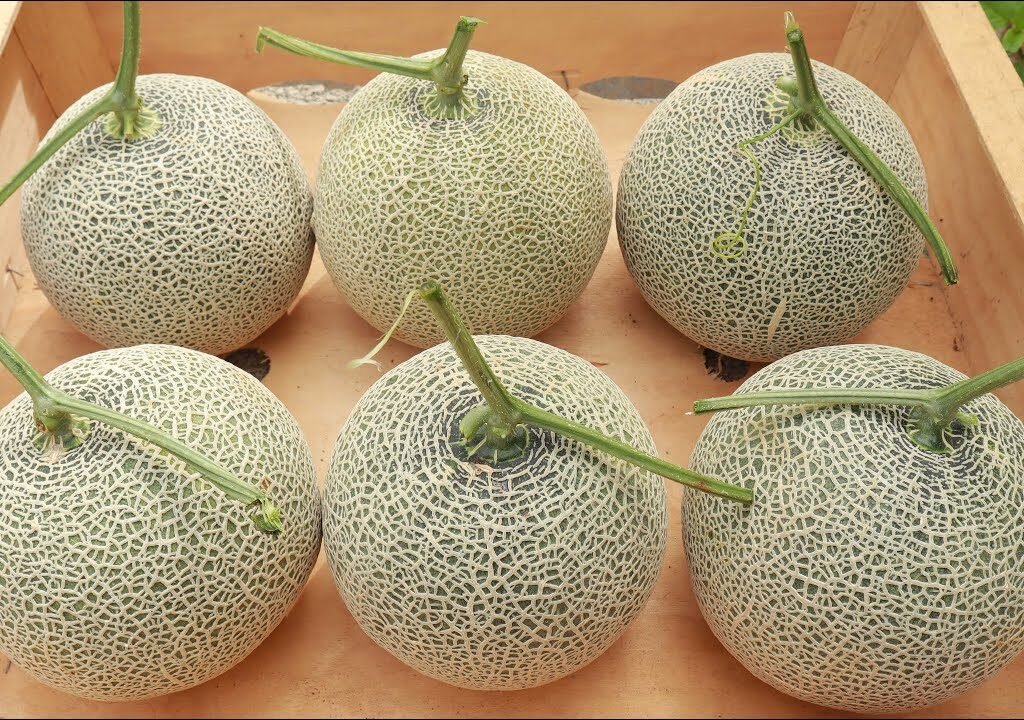
- The fruit emits a sweet, musky aroma.
- The rind changes from green to golden or cream-colored.
- The stem begins to crack slightly where it attaches to the fruit.
- When tapped, the melon gives a dull, hollow sound.
Use scissors or pruning shears to cut the fruit from the vine, leaving a small stem attached. Handle carefully to avoid bruising.
Store ripe melons in a cool, dry place or refrigerate them to extend freshness. The taste is rich, aromatic, and deeply satisfying — all from your own terrace!
11. Seasonal Care and Continuous Production
To enjoy melons throughout the year, stagger your plantings every 3–4 weeks. In cooler seasons, cover your terrace setup with transparent greenhouse film to maintain warmth.
After harvesting, refresh the soil with new compost and organic matter before replanting. This maintains fertility and prevents nutrient exhaustion.
Final Thoughts
Growing big, orange-flesh melons in hanging plastic bowls is not only possible — it’s surprisingly productive and beautiful. The cascading green vines with glowing orange fruits create a tropical look on your terrace, while providing you with delicious, homegrown melons.
By following the simple principles from “Growing Melons Hanging Plastic Bowls on the Terrace – Big Fruit – Orange Flesh,” you can turn even a small urban balcony into a thriving fruit garden. With just sunlight, care, and a bit of love, you’ll soon be enjoying the sweetness of your very own terrace-grown melons — fresh, juicy, and straight from the vine.

Leave A Comment