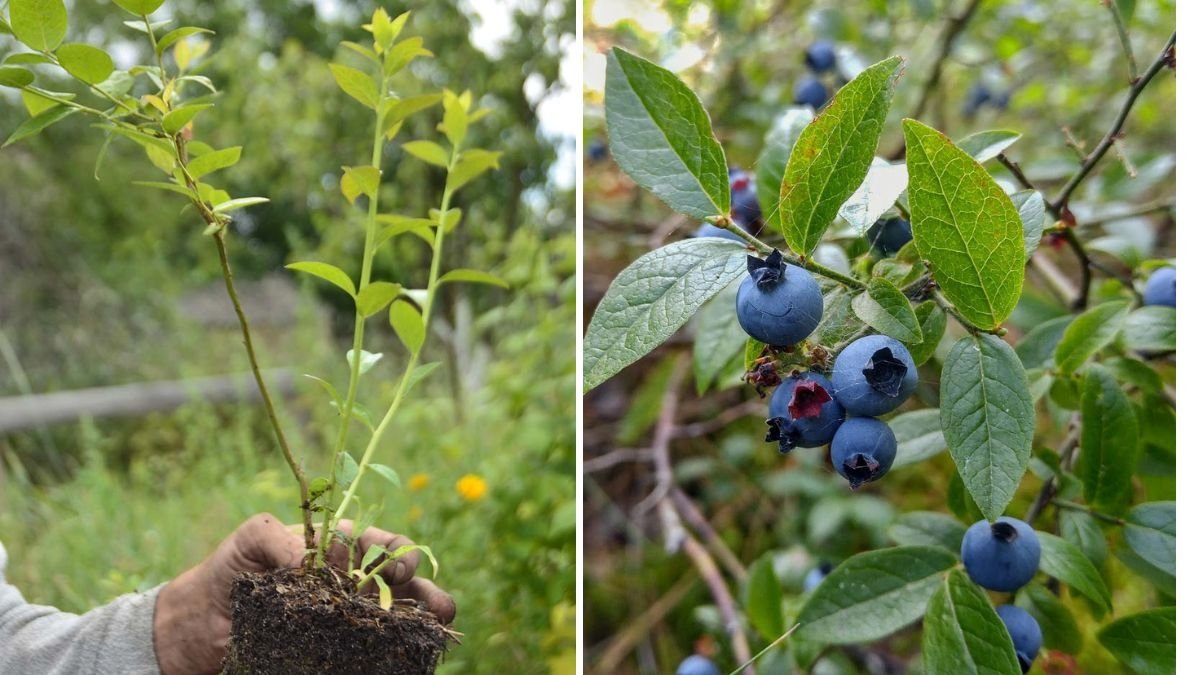
Blueberries are among the most beloved fruits in the garden — sweet, nutritious, and beautiful to look at. While many gardeners are familiar with the highbush varieties, the lowbush blueberry (Vaccinium angustifolium) is a smaller but equally rewarding type that deserves a special spot in your home garden. These hardy, ground-hugging plants produce flavorful berries and stunning foliage, making them ideal for edible landscaping, pollinator gardens, and even ornamental borders.
In this comprehensive guide, we’ll explore everything you need to know about growing, caring for, and harvesting lowbush blueberries, from soil preparation and planting to pruning and winter care. Whether you’re a beginner or a seasoned grower, this article will help you enjoy bountiful blueberry harvests year after year.
What Are Lowbush Blueberries?
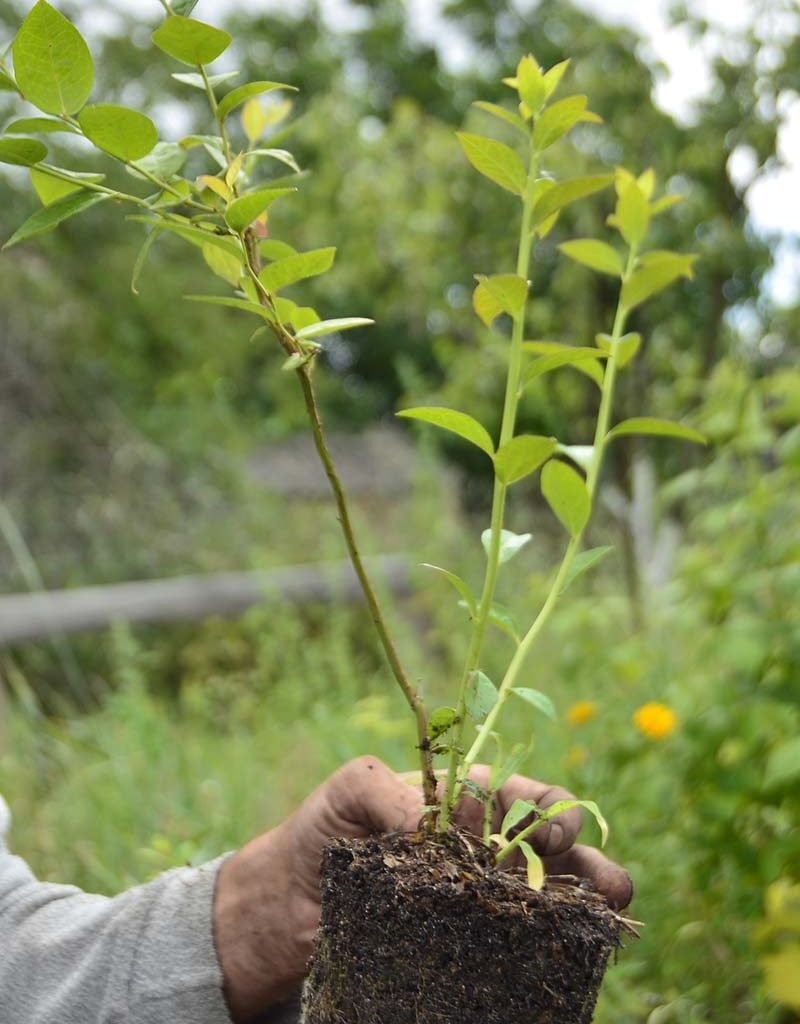
Lowbush blueberries are native to North America, particularly in the northern United States and Canada. They thrive in cold climates where other fruiting plants might struggle. Unlike their taller relatives, lowbush blueberries typically grow 6 to 24 inches tall and spread through underground rhizomes, forming dense mats over time.
These plants are often found in the wild in rocky, acidic soils and open meadows. Their berries are small — usually smaller than those of highbush varieties — but are incredibly sweet and packed with antioxidants. Because of their natural hardiness and attractive appearance, they make an excellent choice for home gardeners who want a low-maintenance fruiting ground cover.
Benefits of Growing Lowbush Blueberries
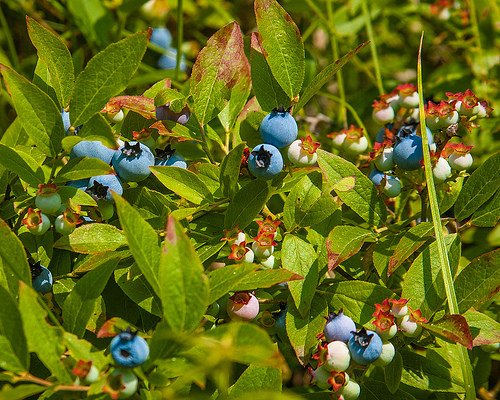
- Cold Hardiness – Lowbush blueberries can withstand freezing temperatures far better than most other fruit crops, making them perfect for USDA zones 2–6.
- Nutrient-Rich Fruit – Their small berries are bursting with antioxidants, vitamins C and K, and dietary fiber.
- Low Maintenance – Once established, they require minimal care beyond occasional pruning and mulching.
- Beautiful Foliage – The plants display lovely reddish-bronze leaves in fall, adding ornamental appeal to your landscape.
- Pollinator-Friendly – Their delicate white or pink bell-shaped flowers attract bees and butterflies in spring.
- Soil Erosion Control – Their spreading habit helps stabilize slopes and prevent erosion.
Choosing the Right Variety
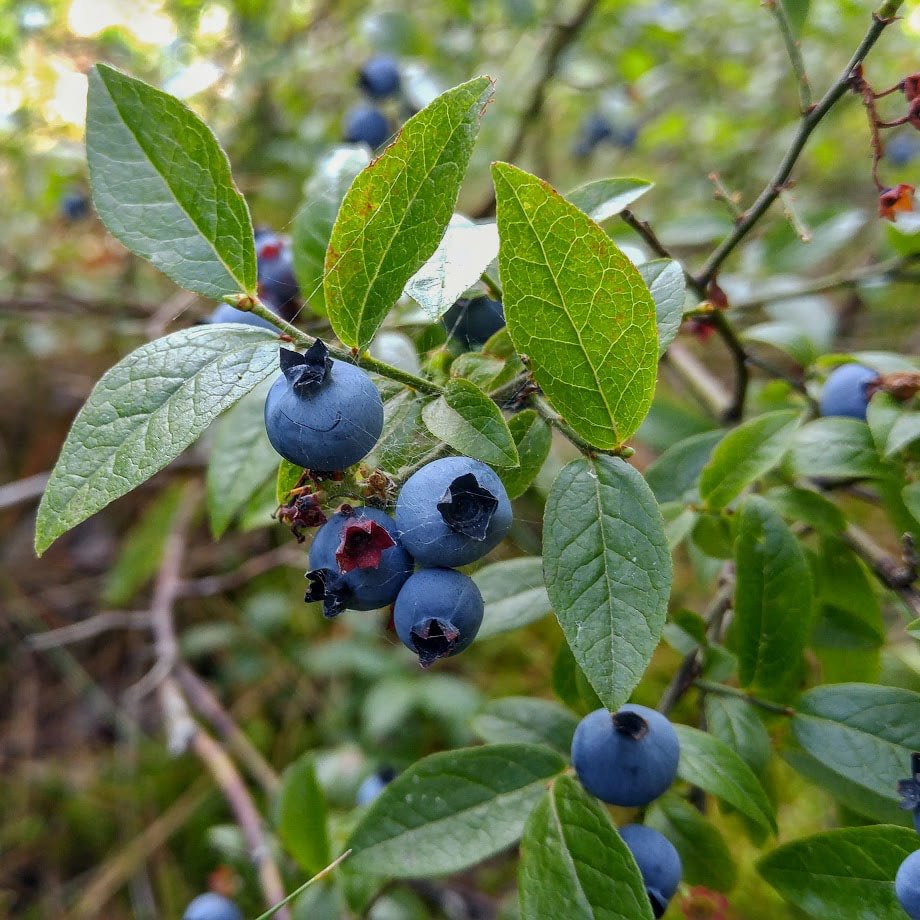
While wild lowbush blueberries grow naturally across many regions, there are several cultivated varieties that perform exceptionally well in home gardens. Some popular options include:

- ‘Brunswick’ – Known for its compact size and flavorful berries.
- ‘Chignecto’ – A productive variety with medium-sized berries and good disease resistance.
- ‘Top Hat’ – A hybrid dwarf variety ideal for containers or small gardens.
- ‘Fundy’ – Excellent cold tolerance and consistent fruit production.
When selecting a variety, choose two or more types for better cross-pollination and increased yields.
Ideal Growing Conditions
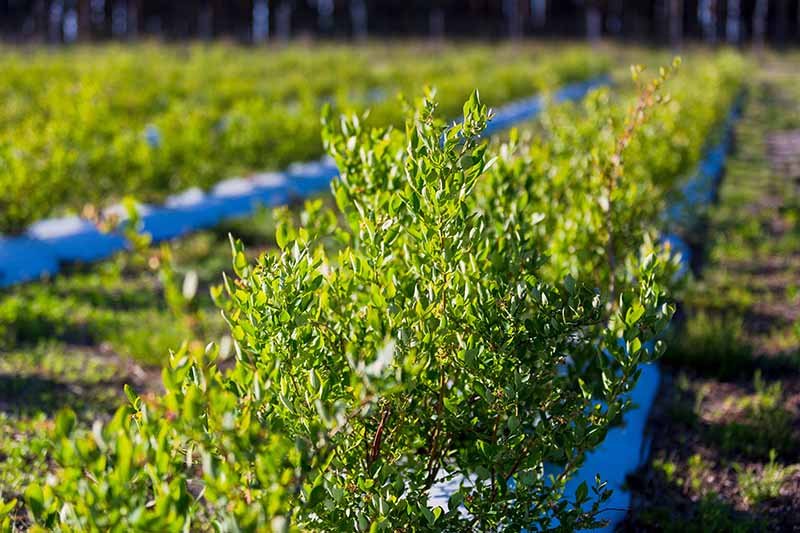
Lowbush blueberries thrive best when you recreate their natural environment as closely as possible. Here’s what they need:
1. Soil
These plants require acidic soil with a pH between 4.0 and 5.2. You can amend your soil with peat moss, pine needles, or elemental sulfur to achieve the right acidity. The soil should be well-draining yet rich in organic matter, as blueberries dislike standing water.
2. Sunlight
Plant them in a full-sun location for maximum berry production. However, they can tolerate partial shade, especially in hotter climates.
3. Watering
Blueberries have shallow root systems, which makes consistent watering essential. Keep the soil evenly moist but not waterlogged. Mulching helps retain moisture and keeps the roots cool.

4. Mulching
Apply a 2–3 inch layer of mulch around the base using pine bark, sawdust, or shredded leaves. This maintains soil acidity, suppresses weeds, and improves soil structure.
How to Plant Lowbush Blueberries
Follow these steps for successful planting:
- Site Preparation:
Choose a sunny site with good air circulation. Clear any weeds and test the soil pH before planting. - Planting Time:
The best time to plant lowbush blueberries is in early spring once the ground is workable or in fall, allowing roots to establish before winter. - Planting Depth:
Dig a hole twice as wide and as deep as the root ball. Set the plant slightly deeper than it was in the container, and backfill with a mix of native soil, peat moss, and compost. - Spacing:
Space plants 18–24 inches apart in rows about 2 feet apart. Over time, they’ll spread to form a dense mat. - Water Thoroughly:
After planting, water well and apply mulch to maintain soil moisture.
Caring for Lowbush Blueberries
Lowbush blueberries are hardy and low-maintenance once established, but they still need a few key care steps to thrive.
1. Fertilizing
Blueberries prefer light feeding. Use an acid-loving plant fertilizer (like one for azaleas or rhododendrons) in early spring. Avoid over-fertilizing, as too much nitrogen can harm roots.
2. Weed Control
Keep the area around the plants weed-free, as weeds compete for nutrients and water. Mulching is your best defense against unwanted growth.

3. Pruning
Every 2–3 years, prune back about half of the plant to rejuvenate growth. You can mow or shear old plants to about 2 inches above the ground after harvest or during dormancy. This encourages new shoots that will bear fruit the following year.
4. Pest and Disease Management
Lowbush blueberries are relatively pest-free, but watch out for:
- Birds – Cover plants with netting as berries ripen.
- Aphids or Blueberry Maggots – Use insecticidal soap or traps if infestations occur.
- Fungal Diseases – Prevent by ensuring good air circulation and avoiding overhead watering.
Winter Care
One of the great advantages of lowbush blueberries is their exceptional cold tolerance. Still, a little winter care helps ensure their survival:
- Apply an extra layer of mulch in late fall to insulate the roots.
- If you grow them in pots, move containers to a sheltered location to prevent root freeze.
- Avoid pruning or fertilizing late in the season, as this may trigger new growth that can be damaged by frost.
Harvesting Lowbush Blueberries
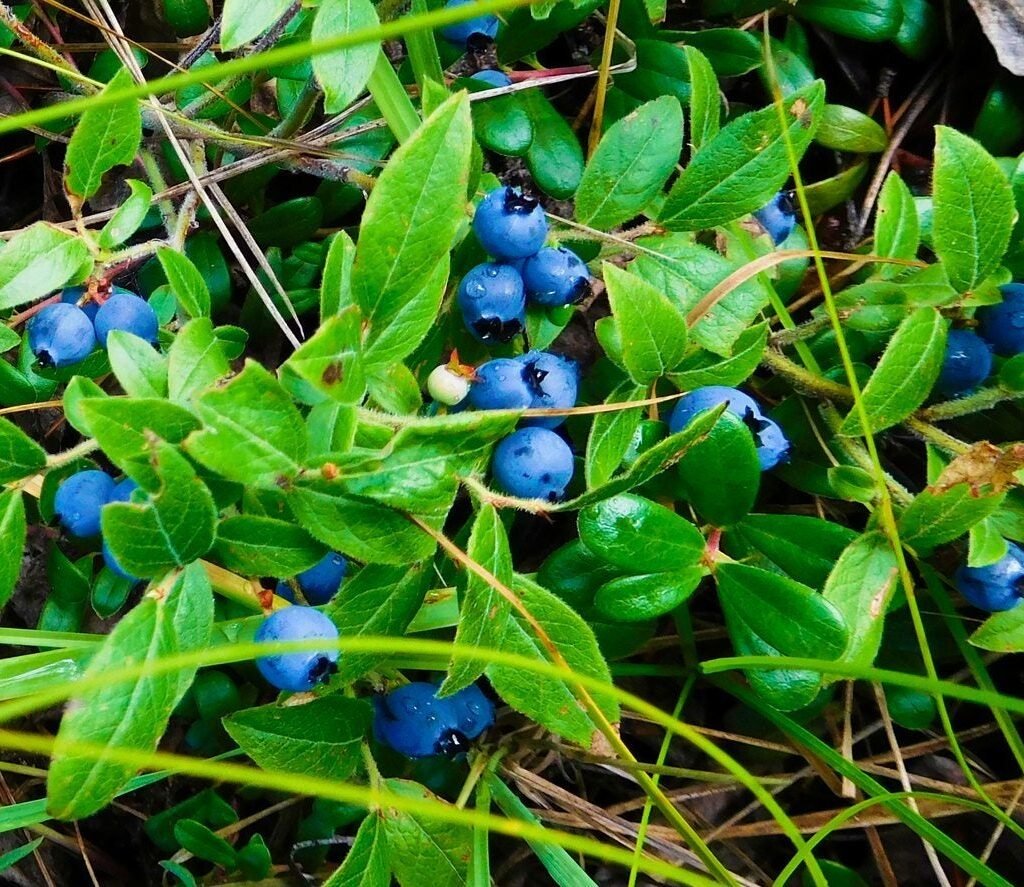
Lowbush blueberries typically begin to bear fruit 2–3 years after planting, with peak production around year four. The berries ripen in mid to late summer, turning deep blue when ready.
To harvest:

- Gently roll ripe berries off the cluster using your fingers or a berry rake.
- Handle with care, as the berries are delicate.
- Store in the refrigerator for up to a week or freeze for long-term use.
Lowbush blueberries are excellent for fresh eating, jams, jellies, pies, muffins, and smoothies. Their concentrated sweetness and flavor make them perfect for baking and preserving.
Propagation Methods
You can easily expand your blueberry patch through:
- Rhizome Division:
Lowbush blueberries spread via underground rhizomes. Dig up and separate clumps with roots attached in early spring or fall, then replant elsewhere. - Cuttings:
Take semi-hardwood cuttings in late summer, dip in rooting hormone, and plant in a sandy peat mixture until roots form. - Seeds:
Though slower, growing from seed is possible. Clean seeds from ripe berries, stratify them in the refrigerator for a few months, and sow in acidic soil in spring.
Common Problems and Solutions
| Problem | Likely Cause | Solution |
|---|---|---|
| Yellowing Leaves | Soil too alkaline | Add sulfur or peat moss to lower pH |
| Poor Fruit Set | Lack of pollination | Plant multiple varieties, attract pollinators |
| Small or Sour Berries | Insufficient sunlight or nutrients | Increase sunlight exposure, fertilize lightly |
| Plant Dieback | Waterlogged soil or root rot | Improve drainage, reduce watering frequency |
Landscaping Uses for Lowbush Blueberries
Lowbush blueberries are not just for fruit production — they’re also excellent ornamental plants. You can:
- Use them as ground cover on slopes or rocky areas.
- Plant them along garden borders or pathways for a natural look.
- Combine them with heathers, azaleas, and rhododendrons for a cohesive acid-loving garden.
- Grow them in containers or raised beds for easy maintenance and harvesting.
Their spring flowers, summer berries, and fall foliage create year-round beauty in any landscape.
Final Thoughts
Growing lowbush blueberries is a rewarding experience that blends beauty, practicality, and taste. These hardy, low-maintenance plants provide delicious fruit, attract pollinators, and enhance your garden’s visual appeal. Whether you’re looking to create a productive berry patch or a stunning edible landscape, lowbush blueberries offer the perfect combination of charm and functionality.

With the right soil, proper care, and patience, you can enjoy decades of healthy, flavorful harvests from these native treasures — a true testament to the beauty of nature’s simplicity.

Leave A Comment