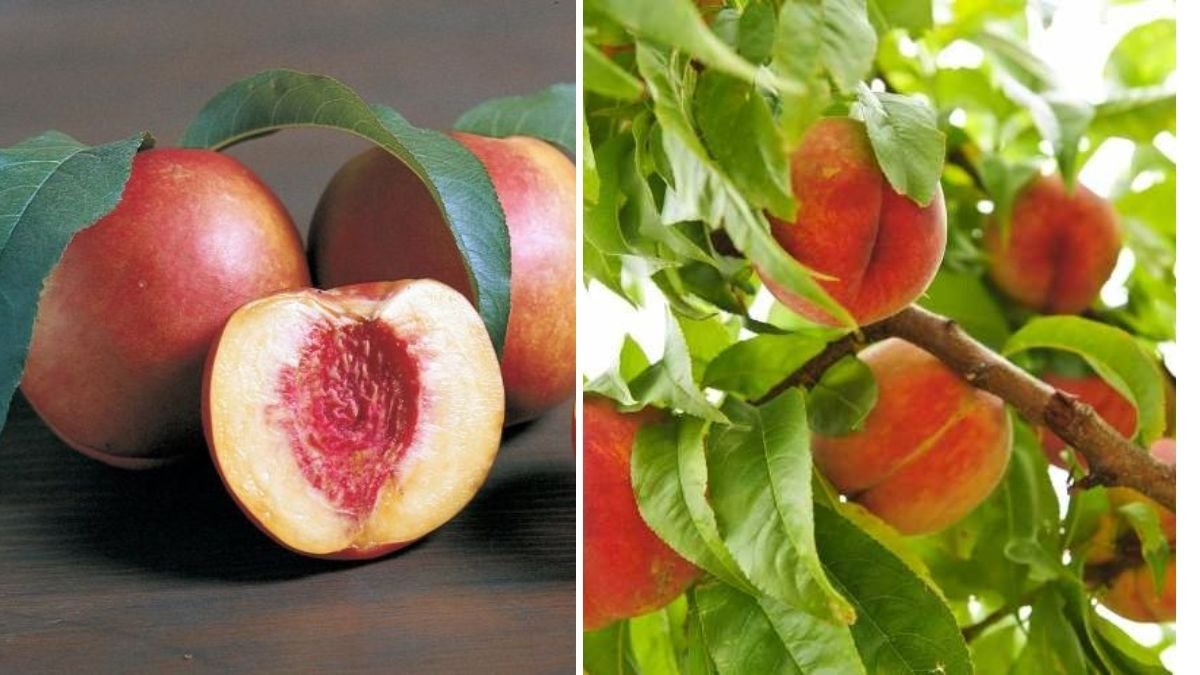
Growing your own fruit garden is one of the most rewarding experiences a gardener can have. The joy of stepping into your backyard and harvesting fresh, juicy fruit straight from the tree is unmatched. Among all homegrown treasures, few fruits can rival the exceptional flavor and beauty of the Arctic Jay White Nectarine. This unique variety combines sweetness, fragrance, and texture in a way that truly stands out — making it a favorite among gardeners and fruit lovers alike.
In this blog post, we’ll explore everything about cultivating, caring for, and enjoying Arctic Jay white nectarines, along with insights into building a thriving home fruit garden. Whether you’re a seasoned grower or a beginner looking to plant your first tree, this guide will show you how rewarding growing nectarines at home can be.
The Beauty of Homegrown Fruit Gardens
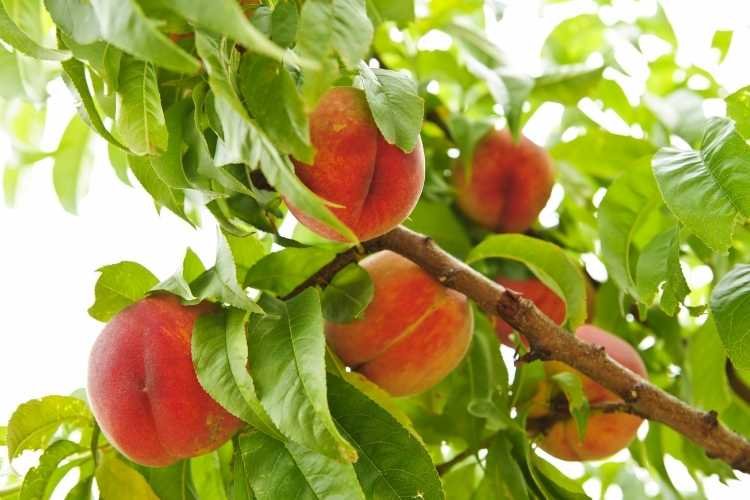
Home fruit gardens offer far more than delicious harvests — they bring a sense of connection to nature, self-sufficiency, and seasonal joy. Unlike store-bought fruit, homegrown produce is fresher, more flavorful, and often more nutrient-rich since it ripens naturally on the tree.
Nectarines, in particular, make an excellent addition to a home orchard. They’re compact trees that can fit in small spaces, produce fruit relatively quickly, and deliver consistent yields once established. With a little care, even one tree can supply you with baskets of juicy nectarines every summer.
Meet the Arctic Jay White Nectarine
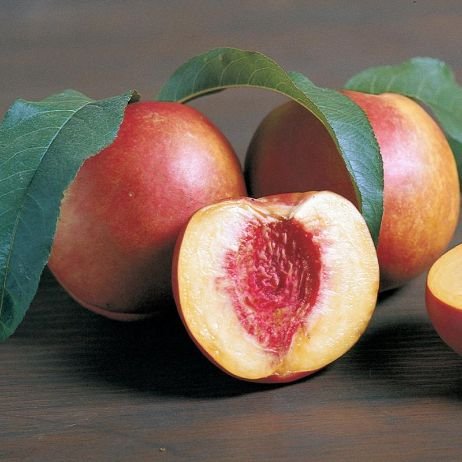
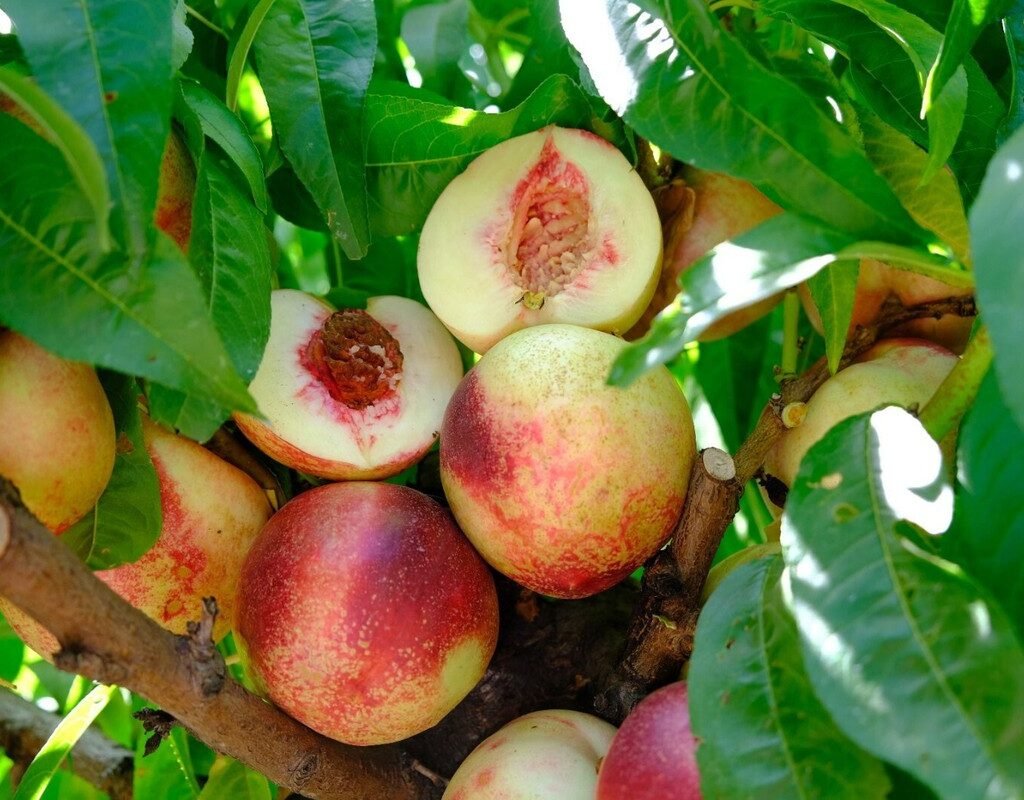
The Arctic Jay White Nectarine is a standout variety known for its stunning appearance and irresistible taste. Bred for superior sweetness, low acidity, and firm yet tender flesh, it’s considered one of the finest white-fleshed nectarines available.
- Flavor Profile: Exceptionally sweet and aromatic with floral undertones. The white flesh delivers a perfect balance of honeyed flavor and refreshing juiciness.
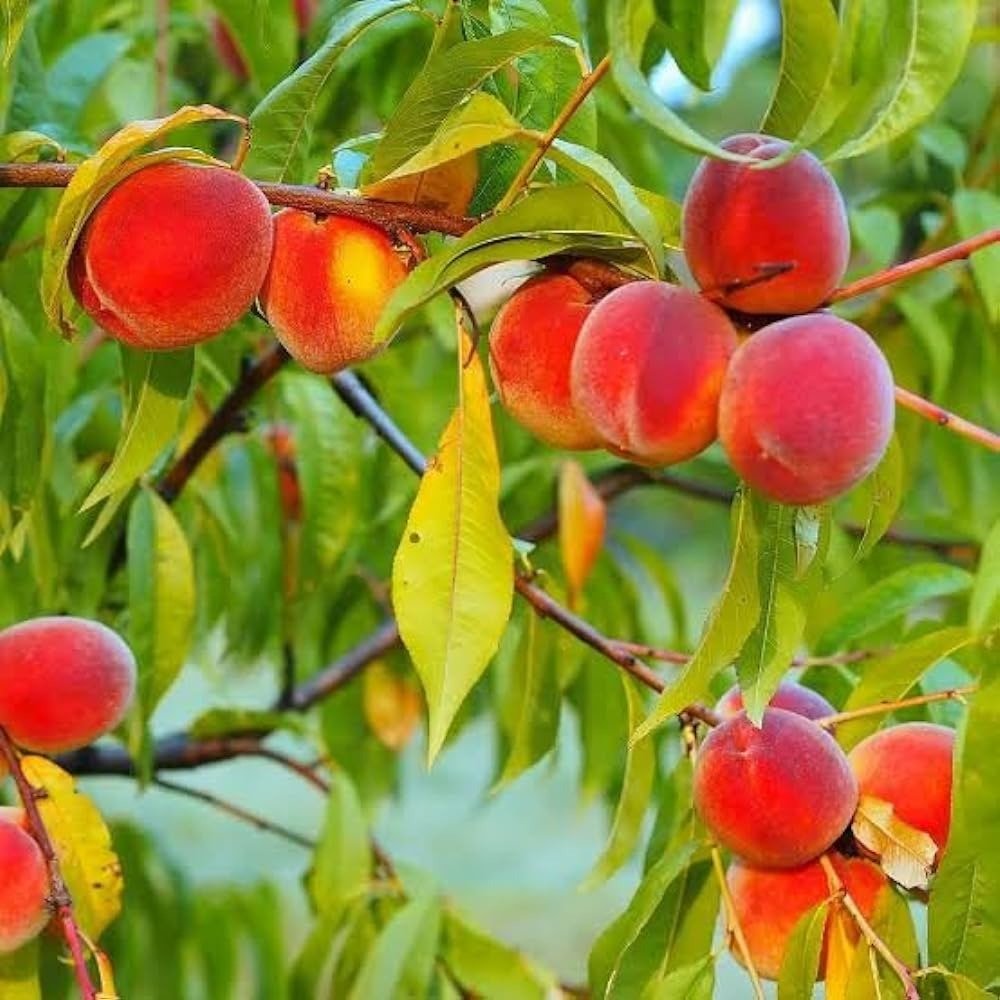
- Appearance: Smooth, glossy skin with a blush of red over creamy white or light yellow tones. The fruit is medium to large in size.
- Ripening Season: Typically mid-to-late summer, depending on your climate.
- Best Uses: Excellent for fresh eating, slicing into salads, blending into smoothies, or baking into tarts and cobblers.
This variety also performs well in most temperate regions, making it accessible to many backyard gardeners who enjoy both beauty and productivity in their fruit trees.
Planting the Arctic Jay Nectarine Tree
Growing a nectarine tree doesn’t require a large plot of land. With proper planning, even a small backyard or patio garden can accommodate a tree.
1. Choosing the Right Location
Nectarine trees thrive in full sun — at least 6–8 hours per day. Pick a location with good air circulation and well-draining soil. Avoid low-lying areas where cold air settles, as this can damage blossoms during early spring frosts.
2. Soil Preparation
The ideal soil is sandy loam with a pH between 6.0 and 7.0. Before planting, enrich the soil with organic compost or well-rotted manure to boost fertility and water retention. Nectarines dislike soggy roots, so ensure the soil drains well.
3. Planting Steps
- Dig a hole twice as wide and as deep as the tree’s root ball.
- Mix compost into the removed soil.
- Place the tree in the center, spreading out the roots.
- Fill in the hole and gently tamp down the soil.
- Water thoroughly after planting to help settle the soil.
Adding mulch around the base will help retain moisture and regulate soil temperature. Just keep the mulch a few inches away from the trunk to prevent rot.
Caring for Your Nectarine Tree
Once your tree is established, care becomes relatively simple with consistent attention.
1. Watering
Nectarines need regular watering, especially during the growing season. Water deeply once a week or more during hot, dry spells. Drip irrigation or soaker hoses work best to ensure deep root hydration without over-saturating the soil surface.
2. Fertilizing
Feed your tree with a balanced fertilizer (10-10-10) in early spring and again after fruit set. Organic options like compost tea or seaweed extract can also support healthy growth. Avoid excessive nitrogen, which can cause lush foliage but fewer fruits.
3. Pruning
Prune your nectarine tree during the dormant winter season to maintain its shape and improve air circulation. Remove dead or crossing branches, and thin out crowded areas. Summer pruning can also help control the tree’s size and increase sunlight exposure for developing fruits.
4. Pest and Disease Management
Common pests include aphids, fruit borers, and scale insects. Use neem oil or insecticidal soap as natural controls. To prevent fungal diseases like peach leaf curl, spray with a dormant oil or copper-based fungicide in winter.
Proper pruning and good air flow also go a long way toward keeping your tree healthy and productive.
Pollination and Fruit Production
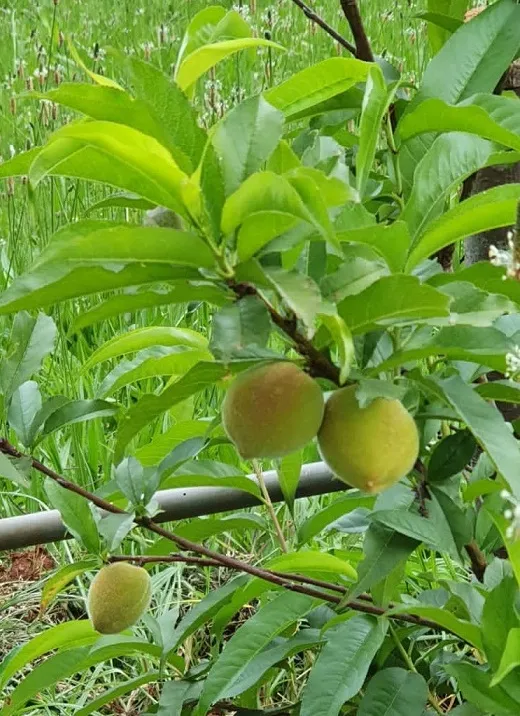
Most nectarines, including the Arctic Jay, are self-fertile — meaning you only need one tree to produce fruit. However, planting a second variety nearby can enhance pollination and yield even better harvests.
The tree typically starts producing fruit within 2 to 4 years after planting. Each year, as the tree matures, you’ll notice larger and sweeter fruits. Thin out excess young fruits when they’re about the size of a marble to prevent overloading branches and to encourage larger, healthier nectarines.
Harvesting Your Arctic Jay White Nectarines
Timing is crucial when it comes to harvesting nectarines. The Arctic Jay is best picked when the fruit’s background color turns from green to creamy yellow, and it gives slightly when gently squeezed. The aroma should be rich and sweet — that’s your cue it’s ready.
To harvest:
- Gently twist the fruit off the branch instead of pulling.
- Avoid bruising the fruit, as nectarines are delicate.
- Store ripe nectarines at room temperature if you plan to eat them soon, or refrigerate them for a few days to extend freshness.
There’s nothing quite like biting into a perfectly ripe Arctic Jay nectarine you’ve grown yourself — juicy, fragrant, and bursting with flavor.
Incorporating Nectarines into Your Harvest Garden
White nectarines blend beautifully with other fruit trees in a backyard garden. Consider planting them alongside plums, apricots, or peaches for a diverse and colorful orchard. Their spring blossoms also add stunning beauty to the landscape, attracting bees and beneficial insects.
If space is limited, try espalier training your nectarine tree along a wall or fence. This not only saves space but also adds an artistic touch to your garden while keeping fruit within easy reach.
Enjoying the Fruits of Your Labor
The harvest season brings endless culinary possibilities. Freshly picked nectarines can be:
- Sliced over breakfast cereal or yogurt
- Blended into refreshing smoothies
- Grilled for a caramelized dessert
- Baked into pies, cobblers, or galettes
- Made into homemade jam or chutney
Their naturally sweet, fragrant flavor also pairs wonderfully with cheeses, nuts, and herbs in summer salads.

Final Thoughts
Growing an Arctic Jay White Nectarine tree at home is a gratifying experience that rewards you with beauty, fragrance, and sweetness year after year. It’s a tree that thrives with love and care, offering more than just fruit — it gives you a connection to your garden and the satisfaction of self-reliance.
Whether you’re an experienced gardener or a newcomer looking to expand your edible landscape, this nectarine variety deserves a place in your backyard. With patience and attention, you’ll enjoy the magic of harvesting your own sun-ripened nectarines — each bite a reminder of the effort and joy of homegrown gardening.

Leave A Comment