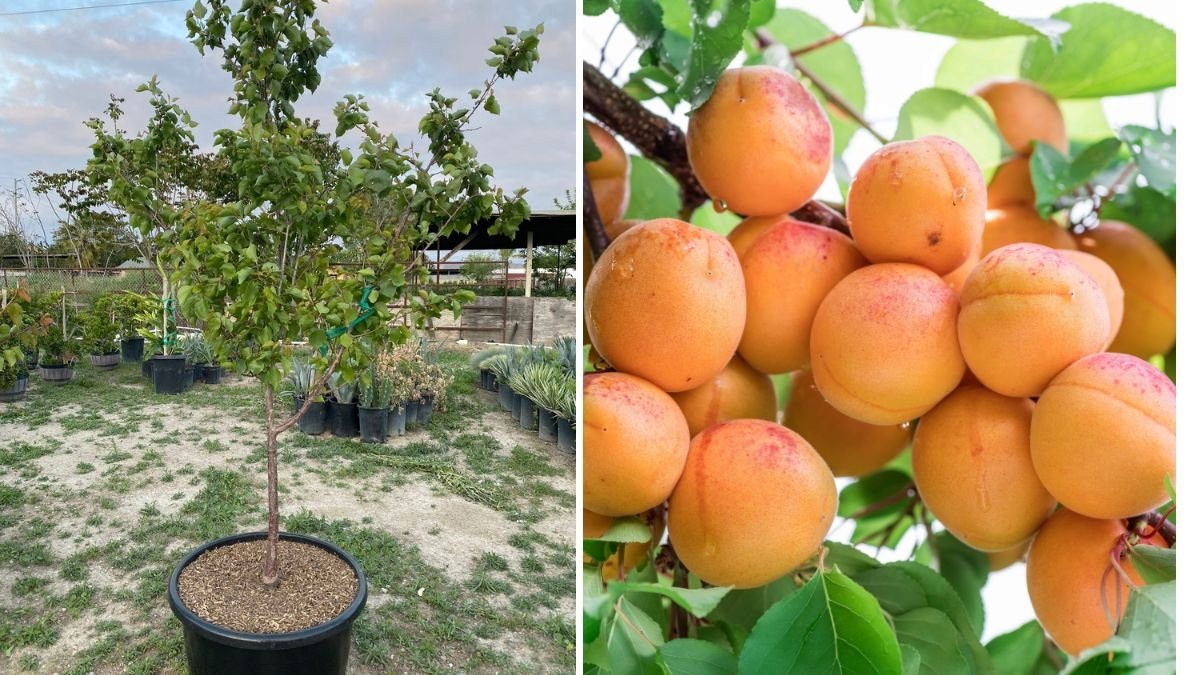
When it comes to growing apricots at home, few varieties capture the heart of gardeners quite like the Tilton apricot. Renowned for its rich flavor, high productivity, and exceptional versatility, this heirloom variety has long been considered one of the best all-around apricots for home orchards. Whether you’re looking to enjoy fresh fruit off the tree, make golden preserves, or dry sweet slices for winter snacks, the Tilton apricot delivers on every front.
In this comprehensive guide, we’ll explore the origins, characteristics, growing requirements, and care tips for the Tilton apricot tree. By the end, you’ll know exactly how to grow and harvest this classic fruit successfully in your own backyard.
The Story Behind the Tilton Apricot
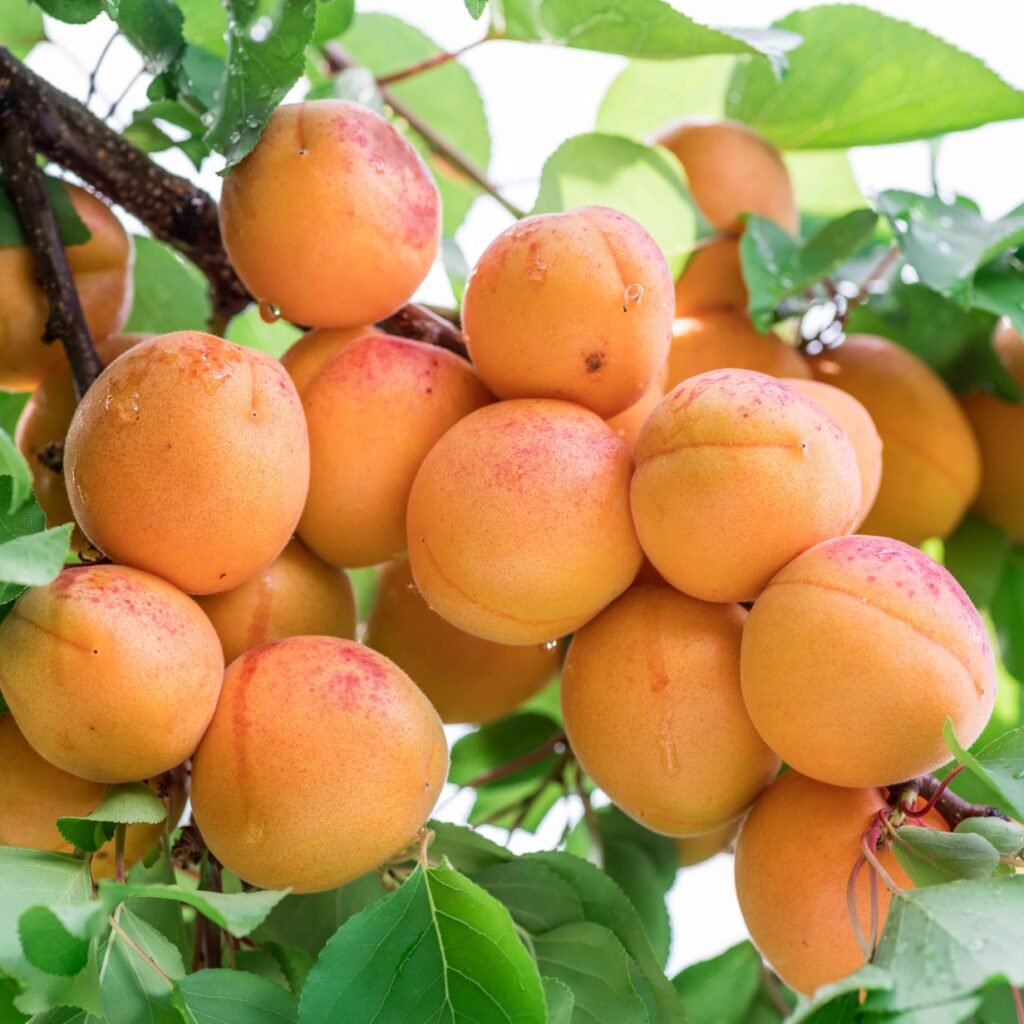
The Tilton apricot (Prunus armeniaca ‘Tilton’) is a historic variety that originated in California in the late 1800s. It quickly became a favorite among both commercial growers and home gardeners due to its reliability, rich flavor, and adaptability.
Tilton apricots are known for their distinctive heart-shaped fruit, deep golden-orange color, and slightly tart yet sweet taste. They have long been a top choice for canning and drying, thanks to their firm flesh and excellent sugar-to-acid balance.
Even today, Tilton remains one of the most widely recognized apricot varieties, standing the test of time in both flavor and performance.
Characteristics of Tilton Apricot Fruit
If you’re new to apricot growing, the Tilton is one of the best varieties to start with. Here’s what makes it stand out:

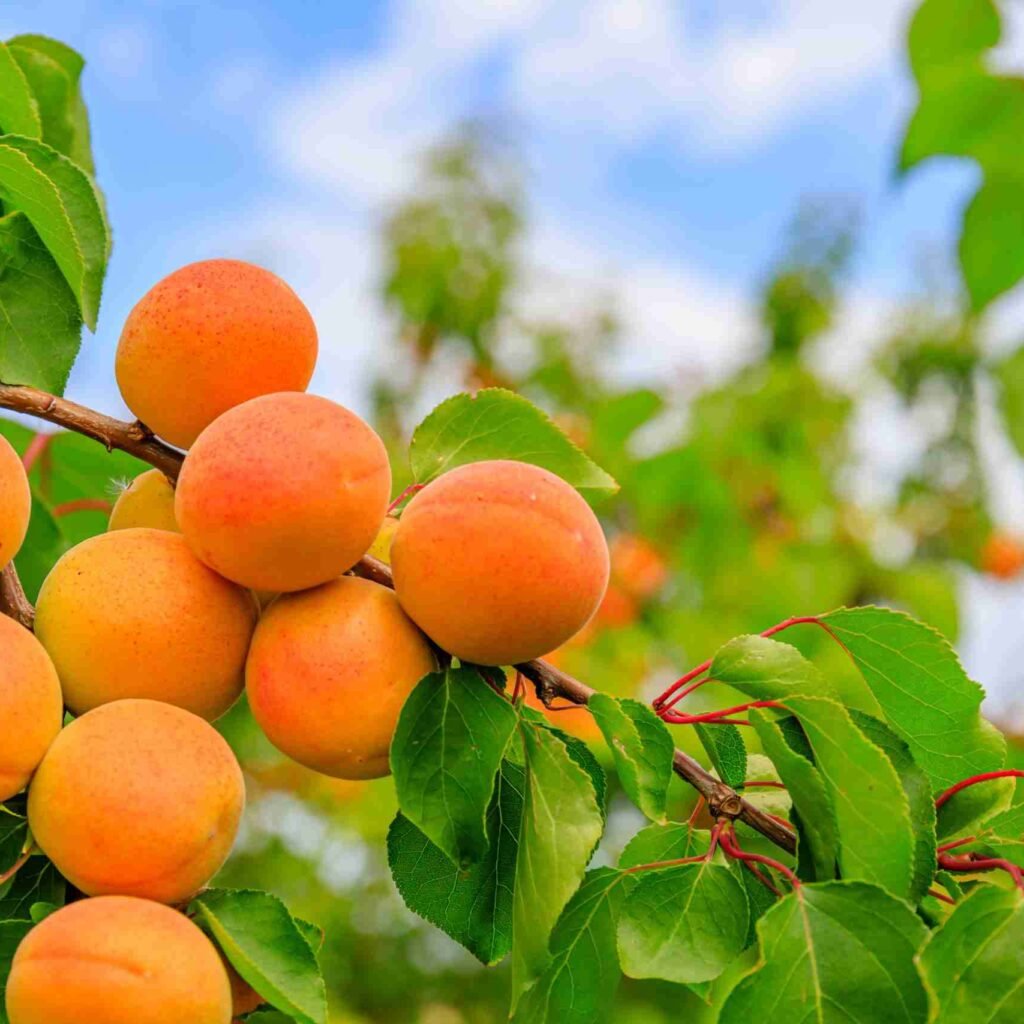
- Shape and Size: Medium to large, heart-shaped fruit with a small pit that separates easily.
- Color: Deep orange skin with a slight red blush on the sun side.
- Flavor: A perfect blend of sweet and tangy, offering a robust apricot flavor that intensifies when cooked or dried.
- Texture: Firm yet juicy flesh, making it ideal for both fresh eating and processing.
- Harvest Time: Mid to late season, usually around July, depending on your region.
- Storage: Keeps well for several days at room temperature and up to a week in the refrigerator.
Its versatility is unmatched — Tilton apricots are equally delicious fresh, dried, canned, or baked into pastries. The fruit holds its shape beautifully during cooking, making it a favorite for jams, tarts, and compotes.
Why Choose Tilton Apricot for Your Home Garden?
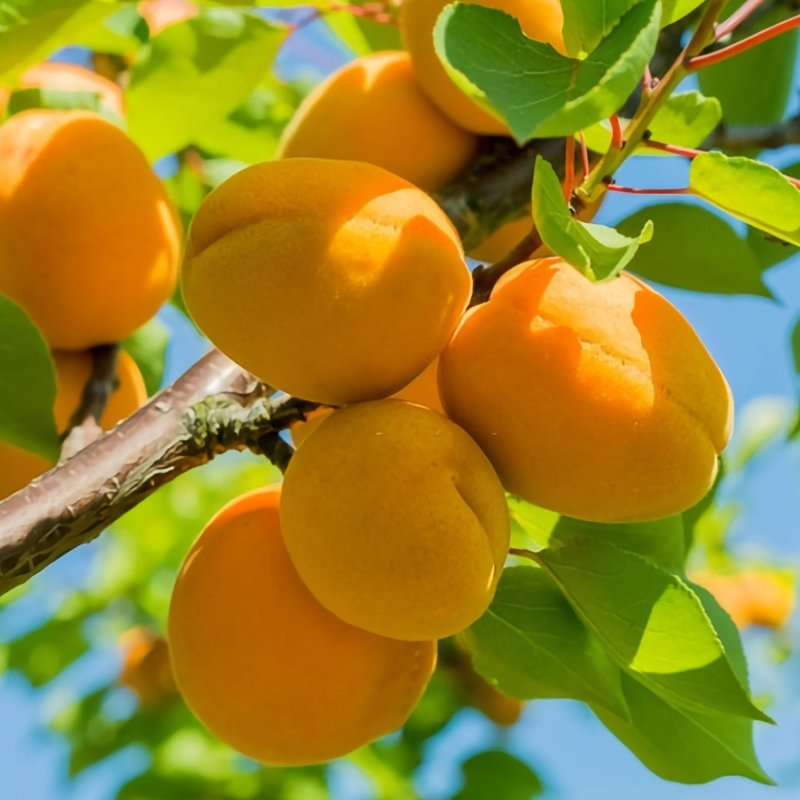
There are plenty of apricot varieties out there, but Tilton continues to be a top pick for home orchards — and for good reason.
- Self-Fertile: You only need one tree to get fruit, although having another apricot variety nearby can boost yields.
- Reliable Producer: Tilton trees are known for consistent, heavy crops year after year.
- Cold-Hardy and Adaptable: Performs well in a wide range of climates, especially in areas with cool winters and warm summers.
- Disease Resistance: Offers good resistance to common apricot diseases like brown rot and bacterial canker.
- Superior Flavor: Few varieties match Tilton’s rich, aromatic taste and versatility in the kitchen.
Ideal Growing Conditions for Tilton Apricot Trees
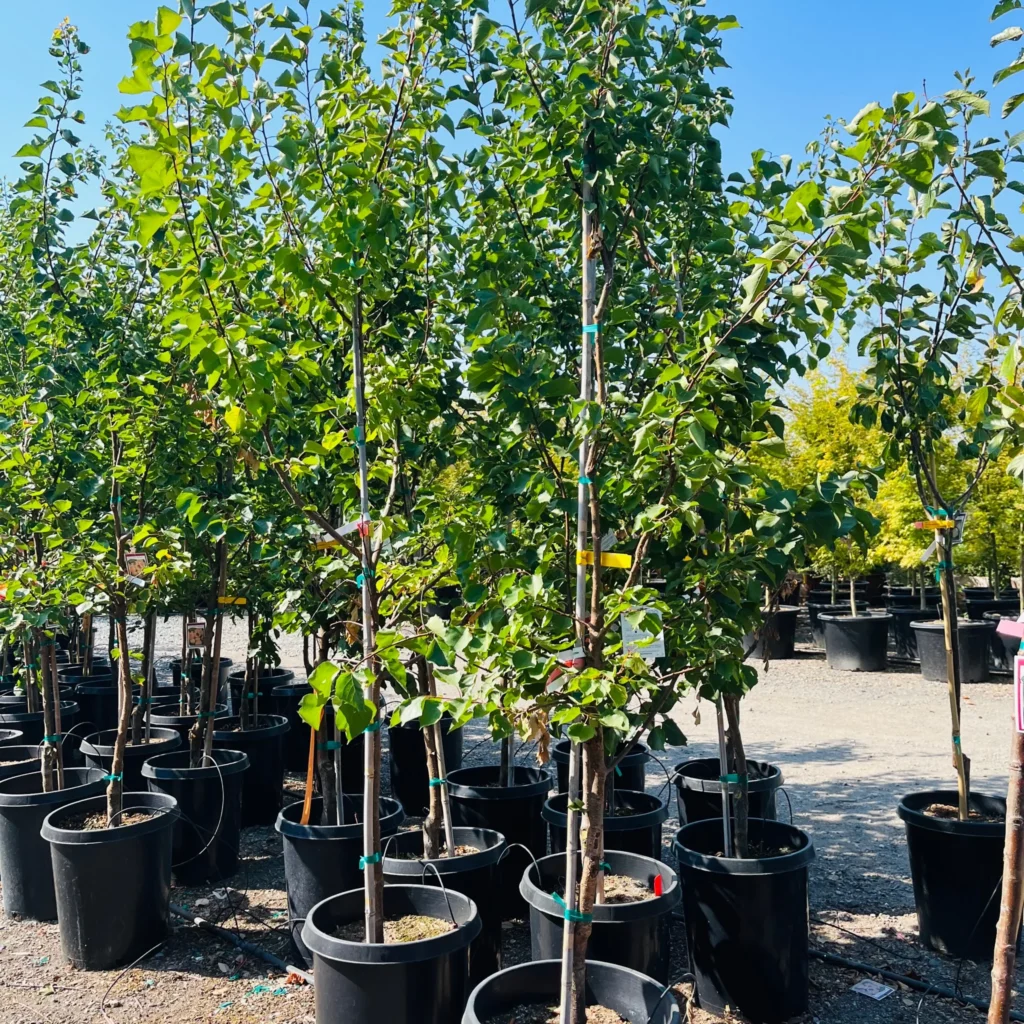
Tilton apricots thrive in temperate to Mediterranean climates, where winters are cool enough to meet their chilling requirements and summers are warm and dry.
Climate:
- Best suited for USDA zones 5–9.
- Requires about 700–800 chill hours (below 45°F / 7°C) to ensure good fruit set.
- Prefers low humidity areas to minimize disease pressure.
Sunlight:
Full sun is essential. Choose a location that receives at least 6–8 hours of direct sunlight daily for optimal growth and fruit production.
Soil:

- Well-draining loam or sandy loam is ideal.
- Soil pH between 6.0 and 7.5 is best.
- Avoid heavy clay soils that retain too much moisture, as apricot roots are prone to rot.
Spacing:
Plant Tilton apricot trees about 15–20 feet apart to allow ample airflow and light penetration.
How to Plant a Tilton Apricot Tree
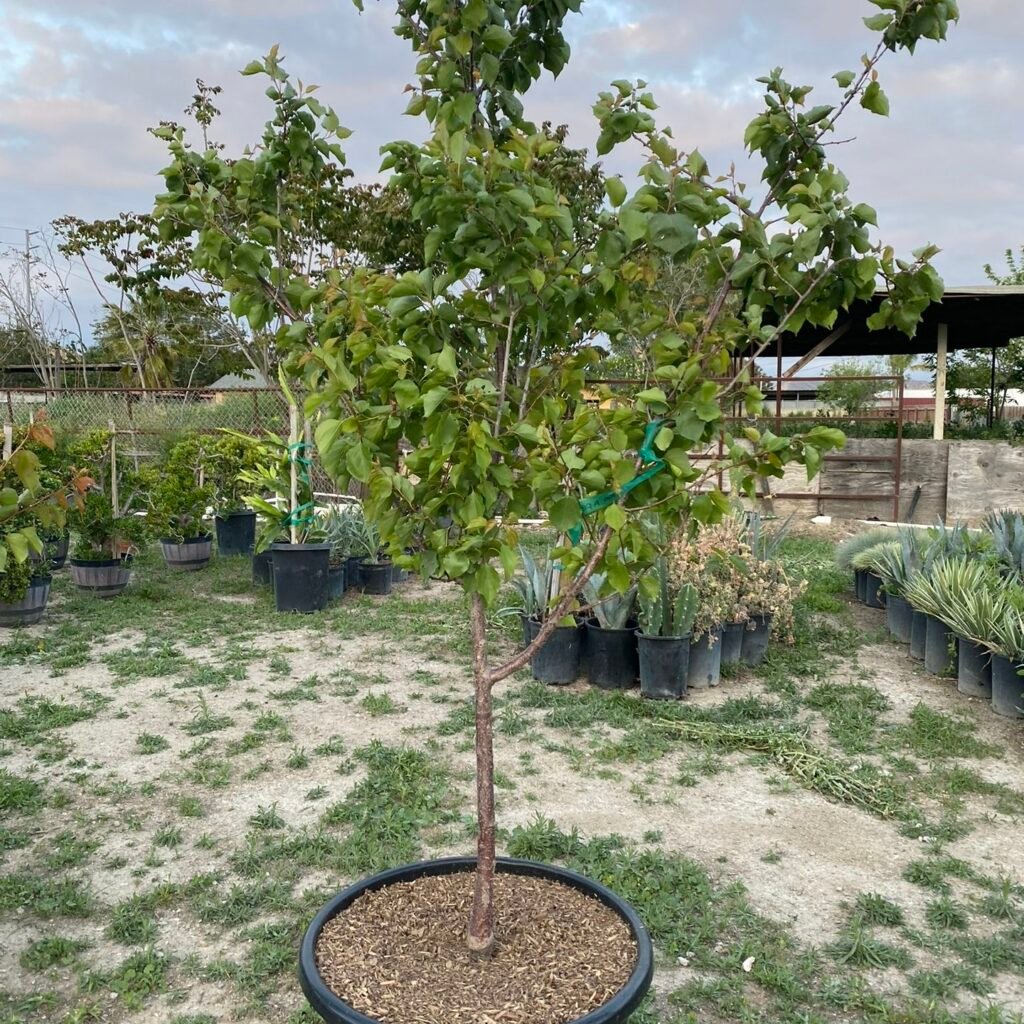
Planting your Tilton apricot properly gives it the strong foundation it needs to thrive for decades.
- Choose a Healthy Sapling: Select a one- or two-year-old bare-root or container-grown tree from a reputable nursery.
- Planting Time:
- In mild climates, plant in late fall or early winter.
- In colder regions, wait until early spring once the soil is workable.
- Prepare the Site: Dig a hole twice as wide as the root ball and just as deep.
- Planting Steps:
- Loosen the roots before placing the tree in the hole.
- Position the graft union (the swollen area on the trunk) about 2 inches above the soil line.
- Backfill with native soil mixed with compost.
- Water deeply to settle the soil.
- Mulch around the base to retain moisture and suppress weeds.
Keep the mulch a few inches away from the trunk to prevent rot and pest problems.
Watering and Feeding Your Apricot Tree
Tilton apricots prefer deep, infrequent watering that encourages strong root development.
- Water once a week during dry periods, soaking the soil 12–18 inches deep.
- Reduce watering once the tree is established, especially before harvest, to prevent fruit splitting.
Fertilization:
- In early spring, feed your tree with a balanced fertilizer (10-10-10) or an organic compost mix.
- Avoid excessive nitrogen — it can lead to vigorous leaf growth at the expense of fruit production.
- Apply a second, lighter feeding after fruit set to support development.
Pruning for Health and Productivity
Regular pruning is key to maintaining a healthy, productive Tilton apricot tree. Pruning improves sunlight penetration, airflow, and fruit size.

When to Prune:
- Late winter (dormant season): For structure and shape.
- Mid-summer: To remove water sprouts and improve airflow.
How to Prune:
- Shape the tree into an open center (vase) form with 3–5 main branches.
- Remove crossing, weak, or inward-growing branches.
- Thin fruiting wood every few years to encourage new growth.
Pruning also helps reduce disease risk by preventing overly dense canopies that trap moisture.
Common Pests and Diseases
While Tilton apricots are relatively hardy, it’s still important to monitor for pests and diseases.
Common Issues:
- Aphids: Control with insecticidal soap or neem oil.
- Brown rot: Avoid overhead watering and prune out infected areas.
- Peach twig borer: Apply dormant oil spray in late winter.
- Bird damage: Use fruit netting or reflective deterrents during ripening.
Maintaining good orchard hygiene — such as cleaning up fallen fruit and pruning dead wood — goes a long way in preventing problems.

Pollination and Fruit Production
Tilton apricots are self-pollinating, so you’ll get fruit from a single tree. However, planting another apricot variety nearby (such as Moorpark or Blenheim) can improve pollination and increase yields.
Blossoms appear early in spring, which makes them susceptible to late frosts. Protect blooms with frost cloth or a temporary cover if cold weather threatens.
Harvesting and Using Tilton Apricots
Tilton apricots typically ripen mid to late summer, depending on your region. You’ll know they’re ready when:
- The skin turns a deep orange-yellow.
- The fruit gives slightly to gentle pressure.
- The aroma is sweet and fragrant.
To harvest, gently twist or lift the apricot from the branch — it should come off easily when ripe.
Storage:
- Store at room temperature for a few days or refrigerate for up to a week.
- For long-term use, dry slices in a dehydrator or make jams and preserves.
Best Uses:

- Fresh eating straight off the tree.
- Baking into pies, cobblers, and tarts.
- Making rich, golden apricot jam.
- Canning or drying for winter snacks.
Tilton’s firm flesh and balanced acidity make it one of the best apricots for preserving — the flavor intensifies beautifully when cooked.
Tips for Success in Growing Tilton Apricots
- Protect early blossoms from frost using covers or cloths.
- Mulch annually to maintain soil moisture.
- Practice crop thinning (remove excess young fruit) for larger, sweeter apricots.
- Watch for signs of water stress — wilting leaves or early fruit drop mean it’s time to adjust watering.
With a little attention, your Tilton apricot tree will reward you with abundant harvests for decades.
Final Thoughts
The Tilton apricot isn’t just another fruit tree — it’s a piece of horticultural history, beloved by generations of gardeners for its flavor, reliability, and beauty. With its heart-shaped fruit, vibrant color, and unbeatable taste, it’s the perfect choice for anyone who loves growing their own food.
Whether you’re tending a large orchard or planting a single tree in your backyard, Tilton brings timeless charm and incredible harvests to your garden. With patience, care, and the right growing conditions, you’ll soon enjoy baskets of golden-orange fruit — bursting with sweetness and sunshine.
The Tilton apricot is more than a fruit; it’s a homegrown delight that celebrates the simple joy of cultivating nature’s golden bounty right in your own garden.

Leave A Comment