There’s something deeply satisfying about pulling freshly laundered towels from the dryer — that cozy, warm softness that makes even a simple shower feel like a spa experience. But lately, mine were coming out stiff, coated, and oddly less absorbent. For years, I used liquid fabric softener, thinking it was the secret to soft, fresh laundry. Then, one day, I stumbled across an old-fashioned cleaning tip: replace your fabric softener with plain white vinegar.
It sounded ridiculous at first — vinegar? The stuff that smells like pickles? But curiosity won. I tried it once, and the results completely surprised me. Not only did my towels feel softer and fluffier, but that funky, “old towel” smell disappeared completely. Now I’m never going back. Here’s exactly why this simple swap works, how to do it right, and why vinegar deserves a spot in every laundry room.
Why I Ditched Fabric Softener in the First Place
For years, I thought liquid fabric softener was an essential part of doing laundry — especially for towels. The commercials promised soft, fragrant fabrics that felt luxurious against the skin. But over time, I noticed the opposite happening.
My towels were losing their absorbency. They didn’t dry me off properly anymore, and sometimes they even came out of the wash smelling musty. No amount of detergent seemed to fix it. That’s when I learned what many people don’t realize: fabric softener leaves behind a waxy residue.
This residue coats fibers, making them feel smooth at first but actually trapping detergent, body oils, and mildew over time. The result? Towels that get less clean, less fluffy, and less fresh with every wash. That buildup also makes fabrics less breathable — not great for clothes, and terrible for towels that are supposed to absorb moisture.

So I decided to skip the softener altogether — and that’s when vinegar came into the picture.
The Surprising Science Behind Vinegar in Laundry
White distilled vinegar is one of the most versatile natural cleaners around, and it’s especially effective in laundry because of its acidity.
Vinegar’s mild acetic acid helps:
- Break down detergent residue and softener buildup.
- Dissolve minerals from hard water that make towels stiff.
- Neutralize odors caused by bacteria and mildew.
- Restore the natural fluff and absorbency of towel fibers.
What’s even better? Vinegar doesn’t leave any lingering smell once the towels are dry. It evaporates completely, taking unwanted odors with it. And because it’s gentle, vinegar doesn’t damage fabrics, colors, or your washing machine — unlike some harsh commercial products.
How I Use Vinegar in My Laundry Routine
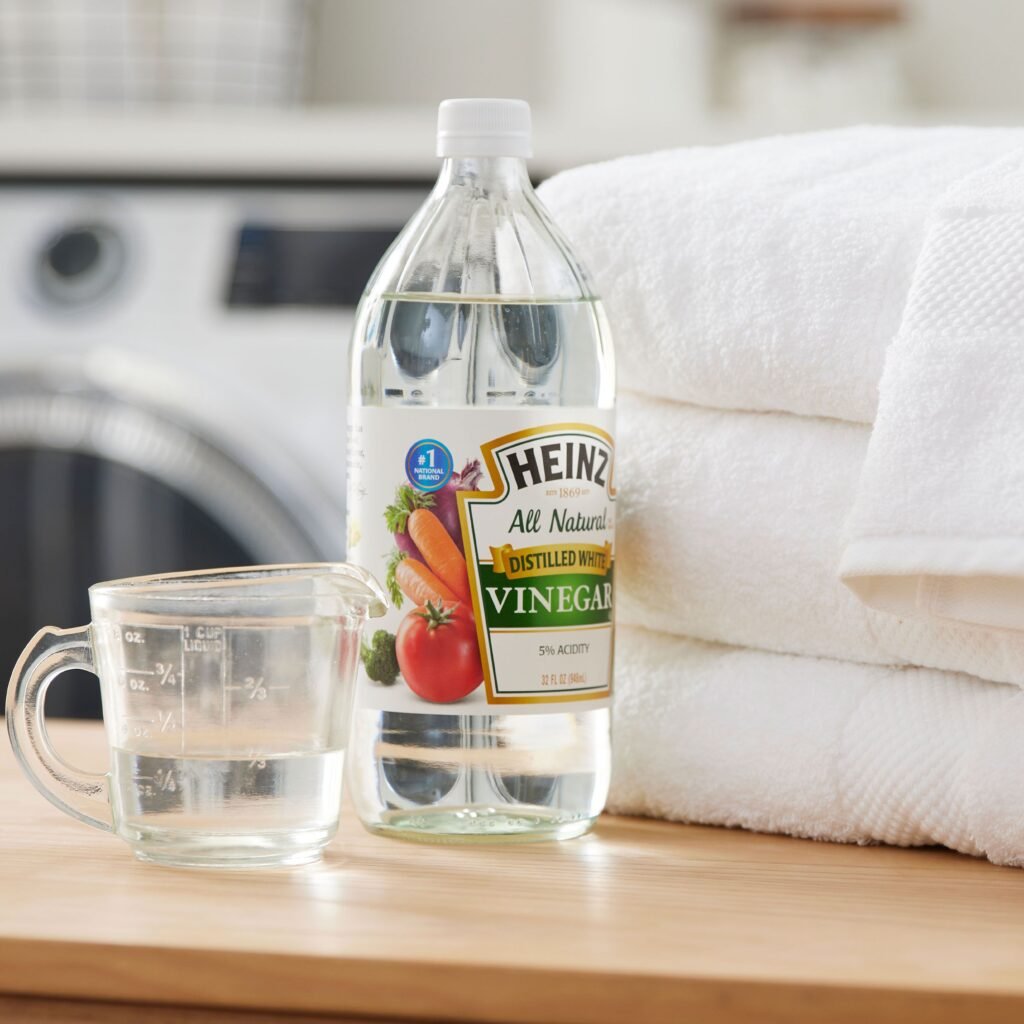
Switching to vinegar was much easier than I expected. Here’s how I do it step by step:

1. Add Vinegar to the Rinse Cycle
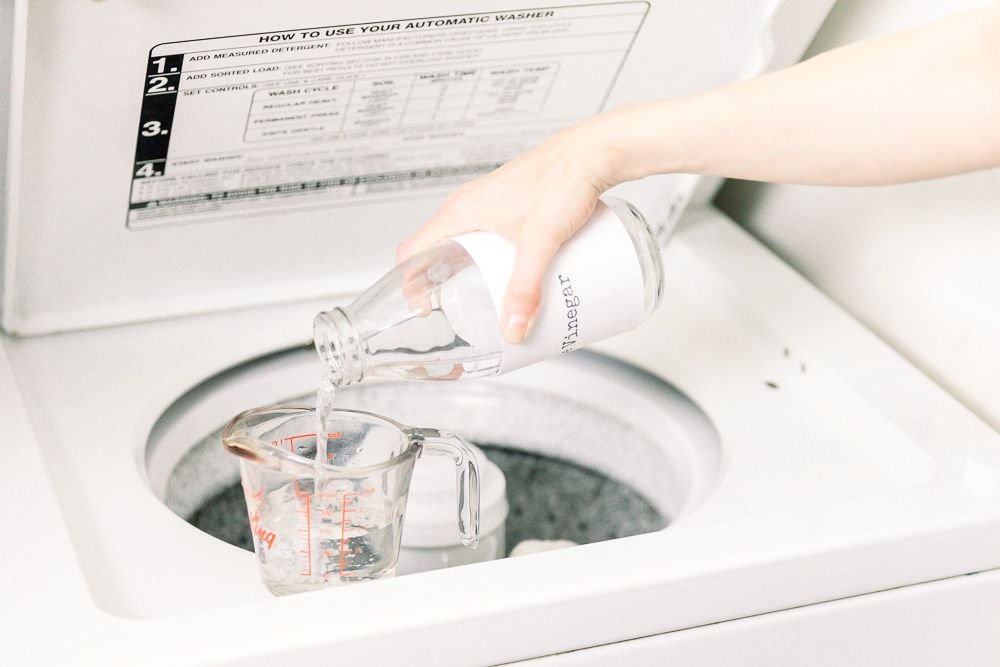
Instead of fabric softener, I pour about ½ to 1 cup of white distilled vinegar into the fabric softener compartment or directly during the rinse cycle.
This ensures it’s evenly distributed and helps break down any leftover detergent from the wash.
2. Wash as Usual
I use my regular mild detergent (preferably unscented), and wash my towels in warm or hot water depending on their fabric type. Vinegar enhances the detergent’s effectiveness by preventing mineral buildup.
3. Dry Completely
I tumble dry my towels on medium heat. Once dry, they feel noticeably lighter, softer, and fresher — without any chemical coating.
Optional: Add Baking Soda for Extra Freshness
About once a month, I’ll do a deep clean by adding ½ cup of baking soda to the wash cycle and vinegar to the rinse. This combo removes deep odors and residues even more effectively.
The Results: Fluffier Towels That Smell Naturally Fresh
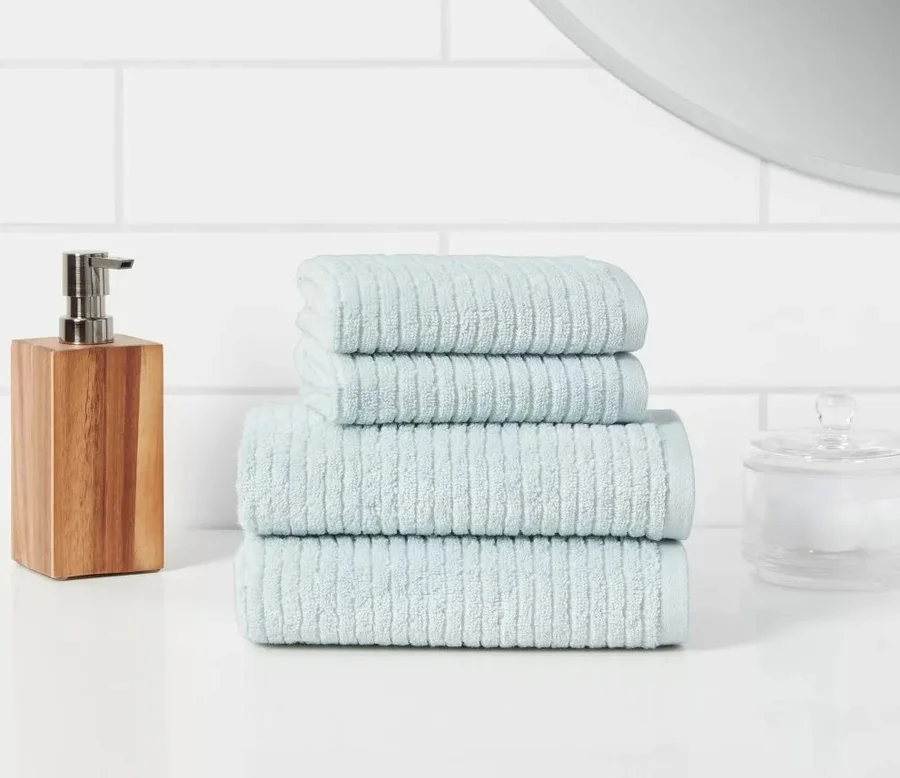
After my first “vinegar wash,” I noticed the difference right away. My towels fluffed up in the dryer like new, and they had that clean, neutral smell — not the perfumed scent of fabric softener, but a natural freshness that felt pure.

Even better, my towels absorbed water again like they were supposed to. That waxy, slick feeling was gone. Over the next few weeks, I repeated the vinegar rinse and noticed that my washing machine smelled cleaner too — a bonus I hadn’t expected.
Now, months later, my towels still feel brand new. They dry faster, don’t carry mildew odors, and don’t get stiff, even when line-dried. I honestly wish I’d made the switch sooner.
Common Questions About Using Vinegar in Laundry
1. Will my laundry smell like vinegar?
No! Once the clothes or towels are dry, the vinegar smell completely disappears. It only lingers for a few minutes during washing.
2. Can vinegar damage my washing machine?
Quite the opposite — vinegar actually helps clean and descale your washing machine’s drum and hoses. It prevents detergent buildup and mold in front-loaders.
3. Is vinegar safe for all fabrics?
White vinegar is safe for most fabrics except delicate items like silk or some synthetics. Always check care labels to be sure.

4. Can I still use dryer sheets?
You can, but I prefer skipping them too. Dryer sheets can also leave residue. Instead, I toss in wool dryer balls for extra softness and quicker drying.
Eco-Friendly Benefits of This Simple Swap
Aside from the impressive results, I love that this switch also makes my laundry routine more eco-friendly. Commercial fabric softeners often contain chemicals, artificial fragrances, and microplastics that end up in wastewater.
Vinegar, on the other hand, is biodegradable, non-toxic, and safe for septic systems. It’s a natural alternative that’s better for your health, your home, and the planet. Plus, it comes in a recyclable bottle and costs a fraction of what softeners do — saving both money and waste.
My Favorite Vinegar Laundry Hacks
Once I saw how well vinegar worked on towels, I started using it in other parts of my laundry routine too:
- For workout clothes: Vinegar helps eliminate stubborn sweat odors.
- For baby clothes: It softens fabrics naturally without any harsh chemicals.
- For whites: A splash of vinegar brightens fabrics by removing dull detergent buildup.
- For pet blankets: It neutralizes pet odors better than most commercial sprays.
It’s one of those rare cleaning staples that’s truly multipurpose — simple, cheap, and effective.

Final Thoughts: The Power of Simple Solutions
It’s easy to assume that modern, scented, high-tech products are better — but sometimes, the simplest household ingredients turn out to be the most effective. Vinegar reminded me of that.
By swapping out my chemical softeners for this humble kitchen staple, I not only restored my towels’ softness and absorbency but also cut down on unnecessary waste and artificial fragrance in my home.
So, if you’ve been struggling with stiff or smelly towels, try washing them with vinegar once. You’ll likely be just as shocked as I was at how clean, soft, and fluffy they turn out. Sometimes, grandma’s tricks really do outshine modern solutions — one laundry load at a time.

Leave A Comment